
Hay and Meadow Grass Transform European Eco-Luxury Hotel Design
European luxury hotels adopt local hay, meadow grass, and straw as biobased building and interior materials to enhance circular sustainability.

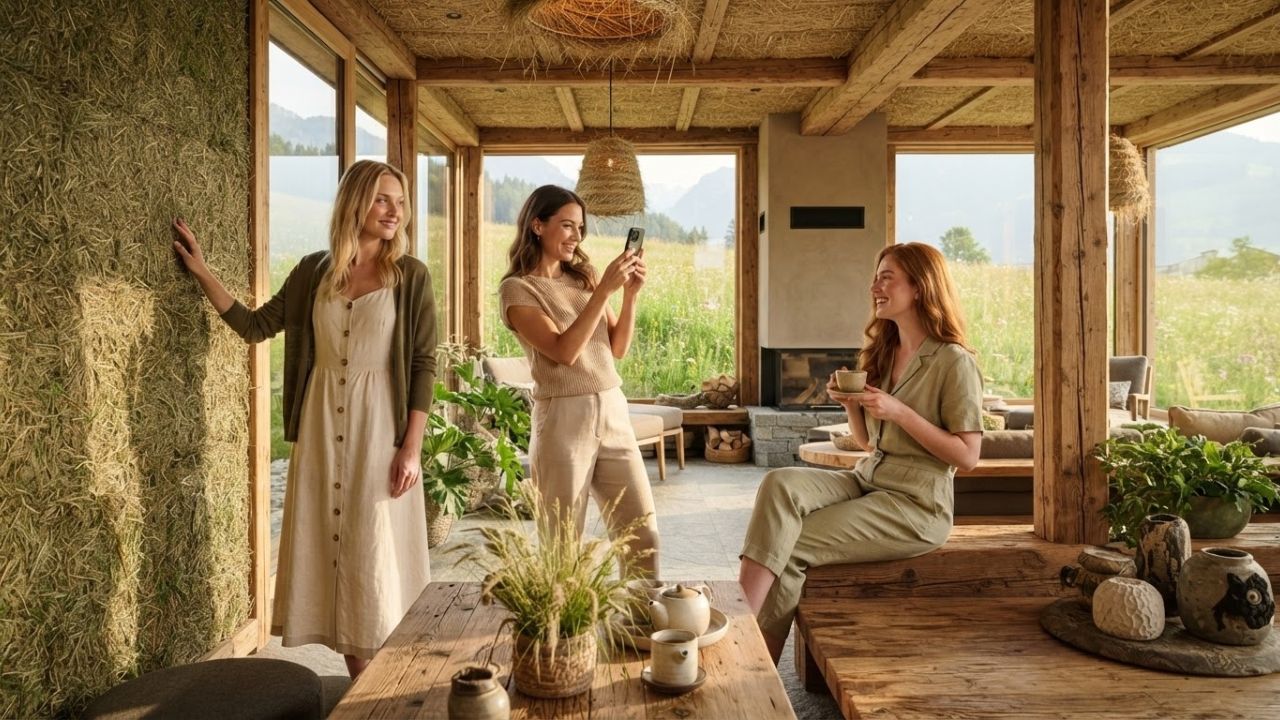
Image generated by AI
European luxury hotels are increasingly adopting local hay, meadow grass, and straw as biobased building and interior materials to replace energy-intensive synthetics. This regenerative design movement not only captures carbon during growth but also improves guest indoor comfort through natural humidity regulation, acoustic absorption, and subtle organic fragrances.
Biobased Architecture: Why Hay and Meadow Grass are Redefining Luxury Design
The global hospitality sector is undergoing a profound transformation as operators look beyond energy efficiency to embrace regenerative design principles. Instead of relying on industrial, high-emission building products, a growing number of eco-conscious properties are integrating agricultural by-products into their architecture and interiors. Hay, meadow grass, and straw are leading this transition, representing a shift toward biobased construction where renewable resources replace traditional building components.
From an environmental standpoint, these agricultural resources offer significant advantages. Unlike mineral-based or petroleum-derived materials, hay and meadow grass regenerate within a single growing season. As they grow, they absorb carbon dioxide from the atmosphere, acting as a natural carbon sink. At the end of their lifecycle, these materials are fully biodegradable and can be composted or processed into clean biomass energy, supporting circular economy principles.
Beyond sustainability, biobased materials deliver practical indoor benefits. The natural structure of dried meadow grass helps regulate indoor humidity, absorbing moisture when the air is damp and releasing it when the environment dries out. Additionally, the porous nature of straw and pressed hay offers excellent sound-absorbing qualities and thermal insulation. These features create a quieter, more comfortable indoor environment for guests, showing that natural materials can successfully perform functional architectural roles.
Alpine Pioneers: Bringing Meadows Indoors at Stanglwirt and Paradiso Pure.Living
Several luxury properties in the Alpine region are leading the integration of local agricultural resources into their hospitality concepts. At the Green Spa Resort Stanglwirt in Austria, guests are welcomed by custom artworks made from pressed alpine hay. Sourced directly from the meadows surrounding the Wilder Kaiser region, this design choice eliminates transport emissions while celebrating the resort's close ties to regional farming heritage. The pressed hay releases a gentle, natural fragrance that improves indoor air quality without the use of artificial deodorizers.
Similarly, the Paradiso Pure.Living Vegan Hotel in Italy’s Dolomites has incorporated building biology principles throughout its recent renovation. The guest room walls utilize breathable biobased insulation hidden beneath natural lime plaster to regulate temperature and moisture.
In addition, several guest room doors are finished with alpine hay harvested from nearby meadows. Every time a guest opens or closes a door, the friction releases subtle floral aromas from the dried grass, creating a sensory connection with the surrounding Seiser Alm environment. The resort's wellness area continues this theme with a dedicated hay sauna, where heat releases the natural essential oils of dried mountain herbs to support respiratory health and relaxation.
Circular Design and Hangers: Case Studies from the Black Forest and Seefeld
The use of biobased materials is also shaping everyday guest amenities, demonstrating how circular economy concepts can be implemented at scale. At the SCHWARZWALD PANORAMA in Germany's Black Forest, the Circular Living rooms utilize guest hangers made from 30% local meadow grass combined with recycled plastics. This simple substitution reduces reliance on virgin fossil-fuel-based polymers.
The hotel also uses meadow grass in its lampshades and furniture components. To ensure that these items do not contribute to landfill waste, the property participates in manufacturer take-back agreements, returning the materials to closed-loop recycling systems once they reach the end of their service lives.
Meanwhile, at the Hotel Klosterbräu in Seefeld, Austria, handcrafted hayflower lamps have become a signature design feature in the Nature Rooms. The lamps combine dried grasses and wild alpine flowers to diffuse a warm, natural light that cannot be replicated by conventional glass or plastic fixtures. The long-term durability and popularity of these installations show that natural materials can meet the rigorous maintenance standards of luxury hotels.
Straw Ceilings and Clay Walls: Cradle-to-Cradle Construction
While hay is highly valued for its aesthetic and aromatic properties, straw and agricultural fibers are increasingly used in structural capacities. Hotel Luise in Erlangen, Germany, uses straw ceilings throughout its Circular Hotel Rooms®. Developed in accordance with cradle-to-cradle design principles, these ceilings provide natural sound dampening and moisture control while ensuring that the components are entirely biodegradable at the end of their use.
In South Tyrol, Italy, the holiday homes at Ebner 1822 feature traditional combinations of straw, clay, and timber. Built largely by hand, these buildings utilize traditional plastering and building techniques to create healthy, low-emission indoor spaces.
Similarly, APIPURA hotel rinner in South Tyrol utilizes guest furniture manufactured by local carpenters that integrates dried hay directly into its structure, supporting regional craft industries and reducing transport emissions. At the nearby Hotel Weihrerhof, preserved hay is displayed behind protective glass panels within staircases, headboards, and wall features. This casing protects the delicate grass fibers from dust and wear without requiring chemical preservatives, ensuring that the natural textures remain a permanent feature of the hotel's interior design.
Local Insider Guide: Experiencing Alpine Biobased Tourism
To help you experience this sustainable travel trend firsthand while supporting regional ecosystems, local travel specialists recommend the following insider tips:
- Optimal Visit Windows: To experience the fresh hay harvest, plan your trip to the Alps between July and September. This is when local farmers cut, dry, and stack the mountain grass, filling the valleys with its distinctive scent.
- Traditional Wellness Etiquette: When booking a traditional hay bath (Heubad) or hay sauna, ensure the facility uses certified organic grasses free from chemical fertilizers. Inform the spa staff beforehand if you suffer from pollen allergies, as they can recommend alternative herbal treatments.
- Local Culinary Specialties: Seek out mountain huts serving traditional Heusuppe (hay soup), a regional specialty made by steeping dried mountain herbs and grasses in meat or vegetable broth to create a highly aromatic, mineral-rich soup.
- Under-the-Radar Workshops: Visit open-air museums in South Tyrol or Tyrol that offer workshops in traditional thatch-roofing, hay-pressing, or clay-and-straw plastering to learn about the historical roots of biobased architecture.
Tourism Outlook: The Regenerative Future of Green Hospitality
The growing adoption of hay, meadow grass, and straw across European hotels reflects a shift from basic sustainability toward regenerative tourism. Properties are realizing that carbon-neutral operations require a complete rethink of the materials used to build and furnish their spaces. This shift is supported by European eco-certification frameworks, such as the Austrian Ecolabel and the German Sustainable Building Council, which reward projects that prioritize renewable, regional materials.
By sourcing building and decorative products from local agricultural partners, hotels help protect rural landscapes and provide secondary income streams for small-scale farmers. This connection helps preserve traditional farming practices that keep mountain meadows open and biodiverse.
As travelers place a greater premium on authenticity, local heritage, and environmental responsibility, properties that integrate biobased materials into their identity will hold a significant advantage. By turning common field grasses into high-end architecture and wellness experiences, these pioneering hotels are showing that the future of luxury travel lies in circular, low-carbon hospitality.
Related Travel Guides
SNUUG Launches Swiss SupernatureHotel Model for Eco-Friendly Luxury
Kimpton Quinta da Marinha Opens in Cascais to Expand Portugal's Coastal Luxury
Disclaimer
This article is for informational and educational purposes only. It does not constitute legal, financial, or professional advice. While we strive to provide accurate and up-to-date information, travel policies, regulations, and conditions change rapidly. Always verify information with official sources before making travel decisions. Nomad Lawyer makes no representations about the accuracy, reliability, completeness, or suitability of the information provided. Readers should consult qualified professionals for advice specific to their circumstances. The views expressed in this article are those of the author and do not necessarily reflect the views of Nomad Lawyer.
Kunal K Choudhary
Co-Founder & Contributor
A passionate traveller and tech enthusiast. Kunal contributes to the vision and growth of Nomad Lawyer, bringing fresh perspectives and driving the community forward.
Learn more about our team →