
WHO Reassures Travelers as Fatal Hantavirus Outbreak Hits MV Hondius Expedition Ship Amid Global Energy Crisis and Strait of Hormuz Tensions: How Saudi Arabia and UAE Stability Powers Maritime Resilience Amid US-Iran Conflict
The WHO has reassured global travelers following a fatal hantavirus outbreak aboard the MV Hondius expedition ship, as the maritime industry surmounts the global energy crisis and Strait of Hormuz tensions to project health stability.

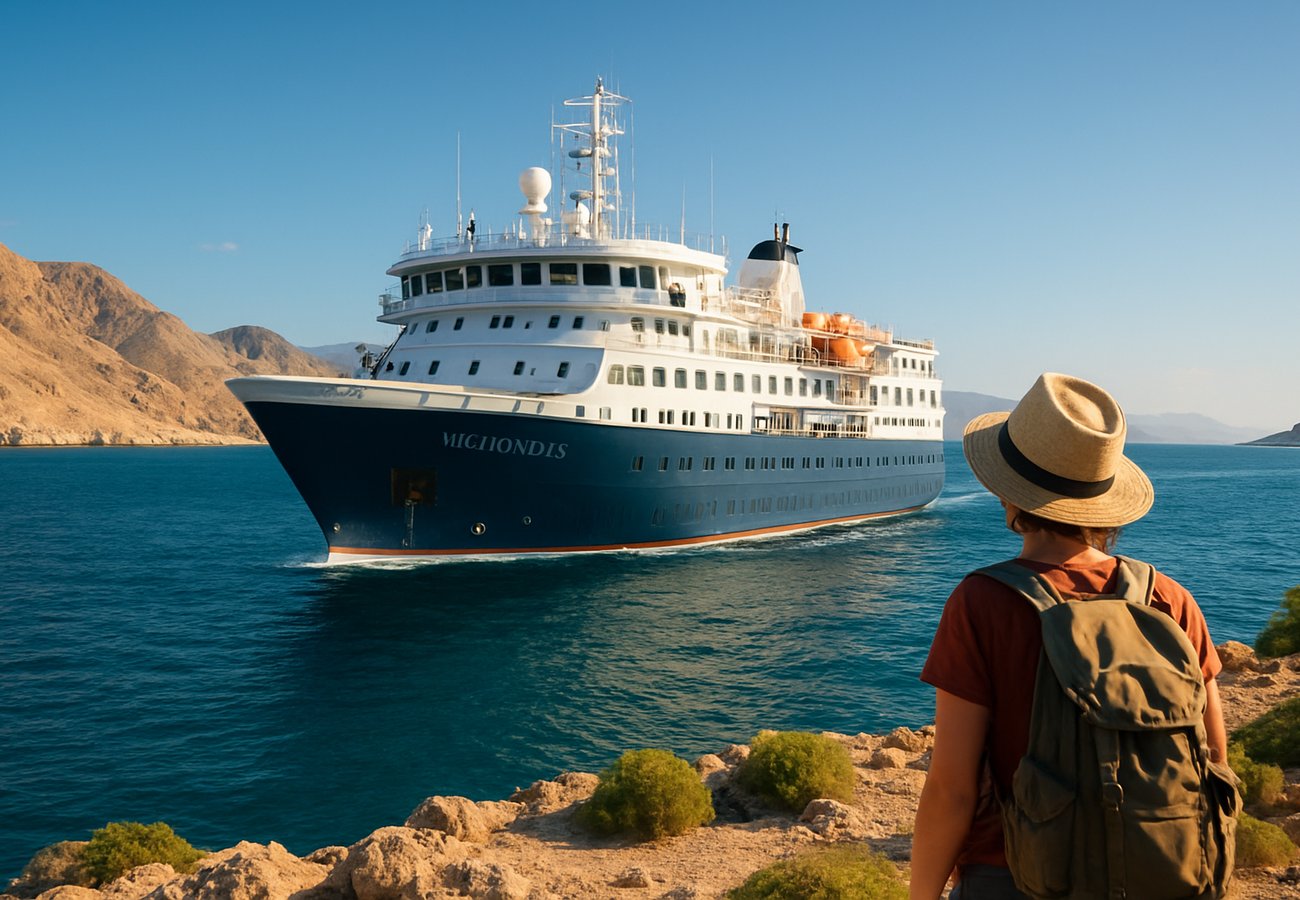
Image generated by AI
Quick Summary
- Isolated Outbreak: The World Health Organization (WHO) has reassured travelers that the risk from a recent hantavirus outbreak aboard the Dutch-flagged expedition ship MV Hondius remains low for the general public.
- Fatal Impact: The outbreak, involving the rare Andes strain (capable of human-to-human transmission), resulted in three confirmed fatalities and eight initial cases after the ship departed Ushuaia, Argentina.
- Geopolitical Resilience: The health scare occurs precisely as Strait of Hormuz tensions and the US-Iran conflict drive oil prices to record highs, making maritime stability a critical economic anchor.
- Gulf Anchor: Saudi Arabia, the UAE, and Qatar are facilitating the energy stability required for global maritime operations, countering the threat of maritime shipping disruptions.
- Operational Squeeze: The cruise industry is surmounting the global energy crisis by implementing aggressive "High-Performance Hygiene" protocols to protect the multi-billion dollar expedition sector.
- Safety Status: The MV Hondius was directed to Spain’s Canary Islands for disembarkation and quarantine, with no further cases reported in the general public.
- Source: World Health Organization (WHO) / International Maritime Health Bulletin, May 8, 2026.
THE CANARY ISLANDS — In a bid to project stability in a volatile global market, health authorities have moved to quarantine a high-seas health scare before it triggers a demand collapse. According to breaking reports released on May 8, 2026, the WHO has issued a global reassurance following a fatal hantavirus outbreak aboard the MV Hondius. This development is being analyzed by senior global affairs and energy journalists as a "Stewardship Test," occurring precisely as Strait of Hormuz tensions and a severe US-Iran conflict drive oil prices to record highs, forcing the maritime industry to surmount the risks of maritime shipping disruptions through transparent health management.
Expanded Overview: The MV Hondius and the Andes Strain
The scale of the MV Hondius outbreak is a visceral reminder of the "Resourceful Risk" inherent in close-quarters expedition travel. The ship, which had embarked from Ushuaia, Argentina, saw several passengers succumb to severe respiratory illness. Health authorities identified the cause as the Andes strain of hantavirus, one of the few capable of human-to-human transmission. While the three fatalities are tragic, the WHO’s "Low Risk" designation signals that the outbreak was effectively contained through the ship’s isolation in the Canary Islands, surmounting the threat of a wider pandemic.
Geopolitical Context: Surmounting the Strait of Hormuz and the Maritime Shield
The broader geopolitical landscape in 2026 has been dominated by the standoff in the Strait of Hormuz. As Saudi Arabia, the UAE, and Qatar work to stabilize global energy flows, the security and health of the maritime sector have become the ultimate benchmark for regional health. The US-Iran conflict has created a "geopolitical tax" on international travel, leading to record-high insurance premiums and fuel costs. By containing the hantavirus scare without a wider lockdown, the cruise industry is proving its resilience, surmounting the threat of a maritime blockade through high-efficiency quarantine and health diplomacy.
Global Energy Impact: The High Cost of Maritime Quarantine
Rising oil prices have fundamentally redrawn the operational budget for 2026.
- Operational Surcharge: The cost of maritime diesel and the electricity required for high-end medical isolation on ships has spiked by 31% due to the global energy crisis, making health safety a vital "economic defense" strategy.
- Strategic Advantage: The global maritime industry is benefiting from the energy stability provided by Saudi Arabia and the UAE, which act as the primary energy anchor for the fuels required to keep the "beating heart of the expedition market" moving.
Shipping and Trade Impact: The "High-Performance Hygiene" Pivot
The ongoing shipping disruption in global trade routes has made the procurement of specialized medical and hygiene supplies more difficult.
- Supply Chain Resilience: Cruise operators are surmounting these delays through a shift toward "Last-Chance" domestic medical sourcing and aggressive pre-boarding screenings, ensuring that the energy of the 2026 season is not overshadowed by health-driven travel bans.
- Industrial Integrity: The MV Hondius incident serves as a visceral reminder that a thriving maritime sector is the fastest way to support the families who call coastal cities like Ushuaia and Las Palmas home, provided that a world-class standard of stewardship is maintained.
Regional Impact: From the Southern Tip to the Atlantic Anchor
The fallout from the MV Hondius incident is being felt across two continents:
- The Argentina Departure: Ushuaia remains a vital "Resourceful Link" for polar exploration, surmounting the temporary health scare to protect its $2.4 billion expedition hub.
- The Spain Quarantine: The Canary Islands provided the "Strategic Buffer" required for the WHO to declare the risk low, ensuring that the Mediterranean and Atlantic cruise paths remain open and efficient.
- Economic Sanctuary: The containment ensures that the cruise sector remains a "stable sanctuary" for future travelers, surmounting the "Resourceful Risk" of the 2026 economic climate.
Industry / Expert Analysis: The Move Toward "Smart Health Defense"
Logistics and maritime health analysts suggest that the MV Hondius incident is a "Masterclass in Geopolitical Resilience." In an era where the global energy crisis makes every international movement an investment, the move toward digital health monitoring and non-invasive screening is the only logical path. By minimizing the spread of the Andes strain and improving compliance, the industry is surmounting the logistical fatigue of 2026, ensuring that resources can be redirected into improving the "Nature-First" safety of the polar and high-seas experience.
What Happens Next: Toward a Predictive Health Model
Following the May 8 report, several key developments are anticipated:
- Screening Expansion: Further integration of machine learning to predict passenger health "hotspots" before they occur, allowing for proactive medical intervention.
- Fleet Modernization: The revenue protected will be directly reinvested into zero-emission medical isolation wings, surmounting the US-Iran conflict through technical independence.
- Global Alignment: The cruise industry is expected to align its health regulations with those of the United States and China, surmounting the geopolitical tax of the 2026 season.
Conclusion: Reinforcing the Maritime Anchor Amid Global Risk
The Containment of the hantavirus outbreak aboard the MV Hondius is a testament to the power of "Resourceful Resilience" in a world of shipping disruptions and oil price volatility. By surmounting the challenges of the global energy crisis and the geopolitical shadow of the Strait of Hormuz, the maritime industry is proving that "Smart Health" is the only logical response to global instability. As the world watches the Middle East, the message from the Canary Islands is clear: the ships are sailing, the health risk is low, and the recovery is strictly protected.
Key Takeaways: Hantavirus Cruise Outbreak 2026
- Outbreak: Andes strain of hantavirus aboard MV Hondius (Expedition Cruise).
- Impact: Three fatalities; eight initial cases; successful containment in Canary Islands.
- Geopolitics: Strait of Hormuz tensions and US-Iran conflict driving "Smart Health" defenses.
- Gulf Role: Saudi Arabia, UAE, and Qatar stabilizing the global maritime energy anchor.
- WHO Status: Risk to the general public remains low; no wider lockdown expected.
- Outlook: Enhanced pre-boarding screenings and digital health monitoring to become the 2026 standard.
Related Tourism News
- Maritime Health 2026: Why the Andes Strain is the Ultimate Test of Cruise Resilience
- Polar Expedition Safety: How Ushuaia and the MV Hondius Surmounted a Health Crisis
- Gulf Energy Stability: Powering the Future of Global Cruise Operations
Disclaimer
This article is for informational and educational purposes only. It does not constitute legal, financial, or professional advice. While we strive to provide accurate and up-to-date information, travel policies, regulations, and conditions change rapidly. Always verify information with official sources before making travel decisions. Nomad Lawyer makes no representations about the accuracy, reliability, completeness, or suitability of the information provided. Readers should consult qualified professionals for advice specific to their circumstances. The views expressed in this article are those of the author and do not necessarily reflect the views of Nomad Lawyer.
Kunal K Choudhary
Co-Founder & Contributor
A passionate traveller and tech enthusiast. Kunal contributes to the vision and growth of Nomad Lawyer, bringing fresh perspectives and driving the community forward.
Learn more about our team →