
Digital Expansion: Guyana Launches 2026 Ecotourism Data Project
Guyana has launched the Data Collection and Analysis 2026 initiative under the NODe Project to support sustainable Indigenous tourism.

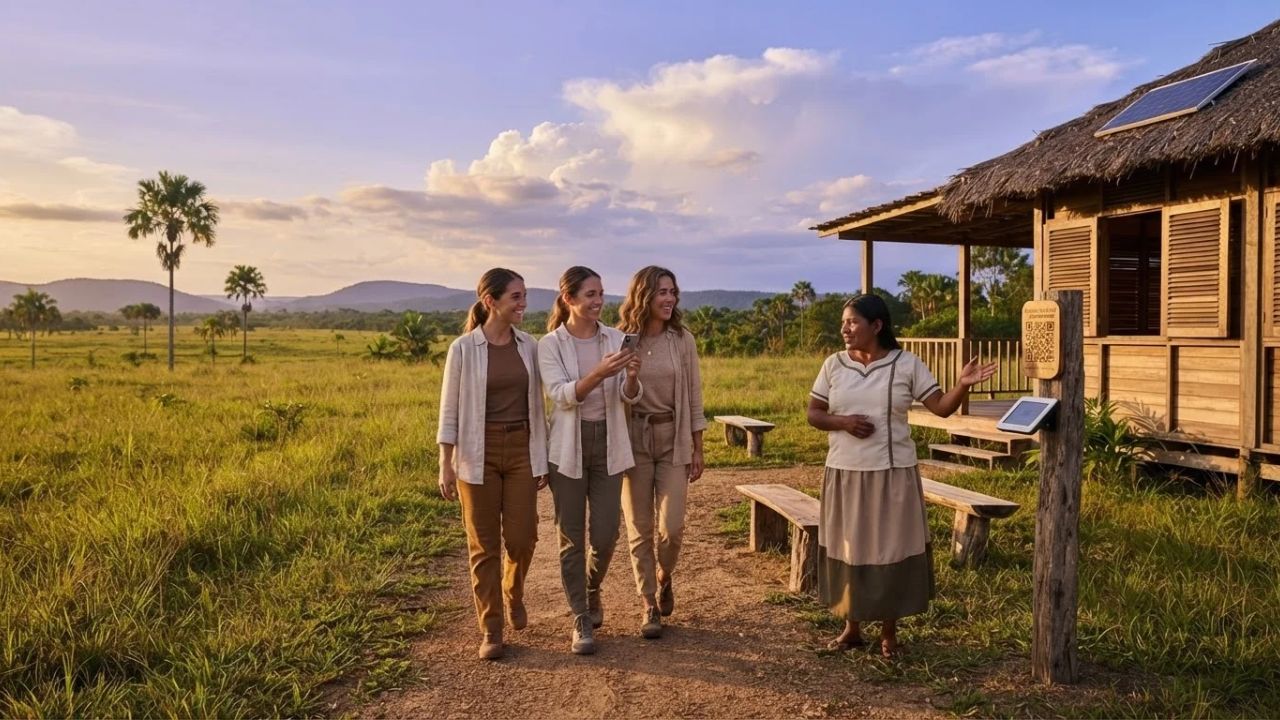
Image generated by AI
Guyana has launched the Data Collection and Analysis 2026 initiative under the NODe Project to support sustainable Indigenous tourism. The program coordinates destination management across the Rupununi region, located in the Guiana Shield.
The Digital Integration of Sustainable Tourism
A significant trend in sustainable destination management is the use of digital monitoring tools to balance tourism growth with ecological protection. Historically, community-managed lodges operated without structured systems to track visitor flows or document occupancy. In 2026, conservation bodies and state agencies deploy localized database platforms to record visitor spending, guest demographics, and resources consumed.
For the traveler, this transition ensures that tourism payments support regional conservation and community wages. By tracking these metrics, local operators adjust accommodation capacities, prevent crowding in sensitive rainforest zones, and secure micro-grants for solar power upgrades.
Nature’s Opportunity for Development (NODe) Project
The Data Collection and Analysis 2026 campaign is implemented under the Nature’s Opportunity for Development (NODe) Project:
- Coordinating Agencies: Launched by the Ministry of Tourism, Industry and Commerce (MinTIC), in partnership with the Guyana Tourism Authority (GTA), Visit Rupununi, and Conservation International-Guyana (CI-Guyana).
- Operational Area: The Rupununi savannahs and forests in southwestern Guyana, forming a key corridor of the Guiana Shield.
- Technical Training: Equips Indigenous Peoples and Local Communities (IPLCs) with financial software, digital databases, and occupancy tracking tools.
- Visitor Feedback Loop: Uses QR codes placed at community-managed eco-lodges to collect real-time data on traveler origin, length of stay, and direct spend.
These systems help operators manage bookings and coordinate resources without depending on central servers.
Supporting Sustainable Livelihoods and Conservation
The project focuses on building economic independence for community operators:
- Empowering Indigenous Hosts: Provides communities with data to set fair pricing, negotiate partnerships, and manage seasonal booking fluctuations.
- Infrastructure Investment: Helps lodges secure green infrastructure funding, including water filtration systems and solar power grids.
- Ecosystem Monitoring: Coordinates tourism activities with wildlife surveys to ensure zero-impact visits to giant otter habitats and jaguar corridors.
- Cultural Preservation: Integrates traditional knowledge with modern analytical reporting to prevent tourism from disrupting village life.
These steps help build a resilient hospitality sector that protects the surrounding Amazon Basin.
Guyana Ecotourism Project Coordinates
The table below breaks down the project details, target habitats, participating agencies, tech applications, and strategic conservation goals established in Guyana:
| Project Initiative | Primary Regional Hub | Target Ecosystems | Participating Organizations | Digital Tech Applied | Strategic Ecotourism Goal |
|---|---|---|---|---|---|
| Data Collection 2026 | Rupununi Savannahs | Rainforest & wetlands | MinTIC, GTA & CI-Guyana | QR code feedback & databases | Empower Indigenous communities |
| NODe campaign | Guiana Shield corridor | Amazon Basin waterways | Visit Rupununi association | Occupancy tracking software | Support sustainable livelihoods |
These coordinates outline the initiative, hub, ecosystems, agencies, technology, and goals established for the ecotourism project.
Resource Stewardship and Eco-Friendly Transit
For the visitor, the benefit of participating in local digital surveys is the opportunity to help agencies plan low-impact tour routes. Traveling via small regional flights or shared overland transport helps reduce individual fuel footprints across the savannah. Choosing lodges owned by the villages ensures that booking fees directly fund community schools, health clinics, and rangers.
Additionally, carrying reusable water bottles and avoiding single-use plastics helps protect clean waterways in the Rupununi. Following guide instructions near active wildlife nesting areas prevents habitat disruption.
For comparison, you can explore the changing dynamics of Stimulus Launch: Taiwan Unveils Billion-Dollar Repeat Visitor Rewards to see how destinations promote visitor spend. For transit updates, comparing travel scheduling matches other networks, such as Seasonal Forecast: New York Sets November 1 Peak for Fall Foliage updates. This trend is similar to the tourism growth seen in other destinations, as detailed in our guide on how Utica, New York Emerges as an Affordable Northeast Tourism Hub.
Visitor Insider Tips: Traveling the Rupununi Safely
If you are planning an ecotourism itinerary through Guyana, keep these practical tips in mind:
- Participate in QR Surveys: Scan the survey codes at Rupununi lodges to share your trip details, helping local hosts improve their services.
- Book Village-Owned Lodges: Stay at community-managed facilities to ensure your travel budget supports local families directly.
- Follow Wildlife Distancing Rules: Keep quiet and maintain safe distances when tracking giant river otters or giant anteaters.
- Pack Biodegradable Toiletries: Use eco-friendly soaps and insect repellents to protect local streams and water sources.
- Coordinate with Local Guides: Always employ certified village guides when trekking through dense forest paths.
Long-Term Outlook for South American Ecotourism
The long-term outlook for transit in Guyana is focused on expanding solar-powered communications networks, upgrading river transport safety, and developing national ecotourism standards. As interest in pristine wilderness areas increases, state tourism boards and international partners will rely on digital metrics to balance visitor volume with environmental protection.
By supporting Indigenous stewardship and protecting delicate ecosystems, the destination sector aims to build a sustainable travel network.
FAQ
What is the NODe Project in Guyana?
Nature’s Opportunity for Development (NODe) is a collaborative project that trains Indigenous communities in digital management and sustainable tourism practices.
Which organizations are coordinating the 2026 data project?
The project is run by the Ministry of Tourism, Industry and Commerce (MinTIC), the Guyana Tourism Authority (GTA), Visit Rupununi, and Conservation International-Guyana.
How do visitors contribute to data collection?
Visitors scan QR codes at regional lodges to complete surveys regarding their travel origin, stay length, and local spending patterns.
How is traveler data used?
The data helps local hosts improve service quality, negotiate fair prices, and prevent overcrowding at delicate natural sites.
Stay updated on the regional travel regulations and sustainable ecotourism guides shaping South American travel.
Related Travel Guides
Disclaimer
This article is for informational and educational purposes only. It does not constitute legal, financial, or professional advice. While we strive to provide accurate and up-to-date information, travel policies, regulations, and conditions change rapidly. Always verify information with official sources before making travel decisions. Nomad Lawyer makes no representations about the accuracy, reliability, completeness, or suitability of the information provided. Readers should consult qualified professionals for advice specific to their circumstances. The views expressed in this article are those of the author and do not necessarily reflect the views of Nomad Lawyer.
Raushan Kumar
Founder & Lead Developer
Full-stack developer with 11+ years of experience and a passionate traveller. Raushan built Nomad Lawyer from the ground up with a vision to create the best travel and law experience on the web.
Learn more about our team →