
Qatar Airways and Gulf Carriers Face Profits Squeeze in H1 2026
Middle Eastern airlines face profit squeezes in H1 2026, with Qatar Airways down over 9% and Jazeera Airways reporting a 10.3% net profit drop.
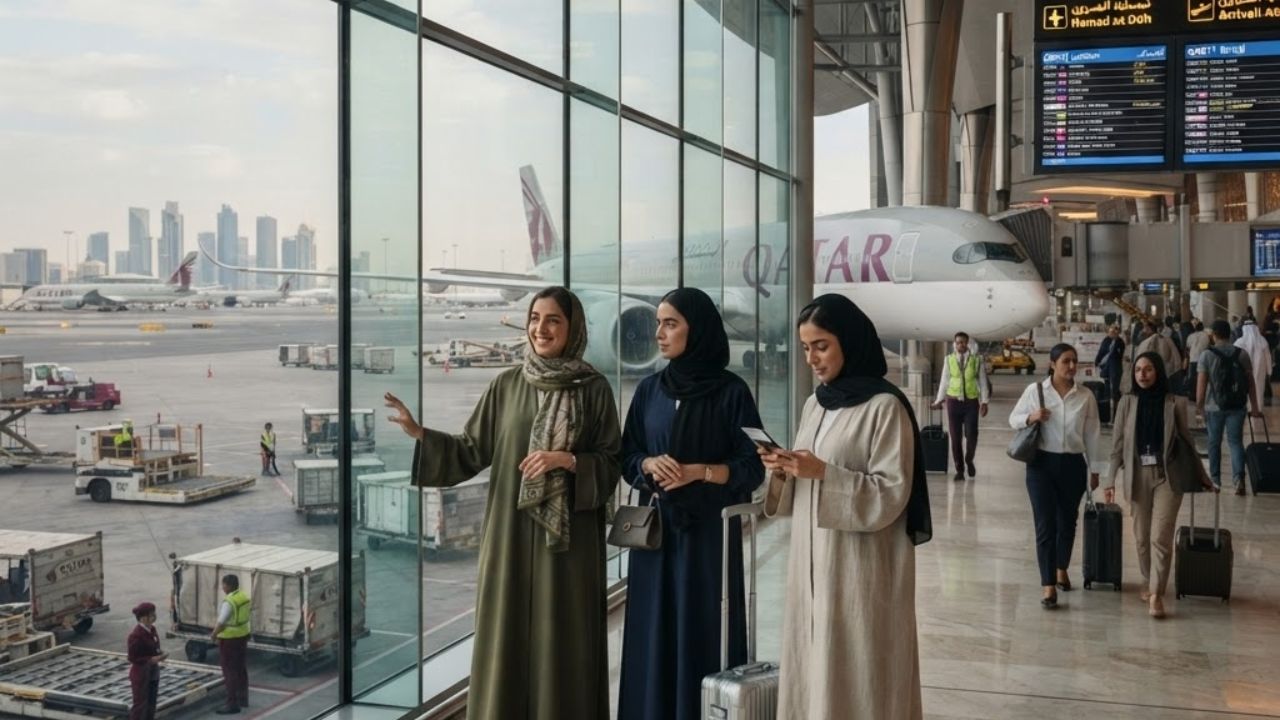
Image generated by AI
Experiencing a major margins squeeze in the first half of 2026 due to rising fuel costs and airspace disruptions, Qatar Airways saw net profits fall by over 9 per cent.
The Core Transit Update
Aviation corridors, international air routes, and hub connection networks in the Middle East are adjusting to tight margins. Despite strong passenger demand, Gulf airlines are struggling to convert high passenger volumes into higher profits due to rising operating costs.
In the first half of 2026, Qatar Airways recorded an over 9 per cent profit decline, while Kuwait-based low-cost carrier Jazeera Airways suffered a 10.3 per cent year-on-year drop in net profits, falling to KD 8.6 million ($28 million). Other major carriers—including Emirates, Etihad, Kuwait Airways, Oman Air, and Saudia—face similar operational headwinds, forcing flight detours and schedule adjustments to navigate regional airspace restrictions.
Airline Profits & Operating Cost Challenges
Planning a flight path through Middle Eastern hubs requires comparing carrier yields and tracking regional fuel surcharges. The following tables outline the Gulf airline profit performances and detail the aviation cost indicators.
| Gulf Airline | Stated H1 2026 Net Profit | Year-on-Year Profit / Earnings Variance | Primary Cost Driver / Challenge |
|---|---|---|---|
| Qatar Airways | Not specified | Over 9% profit decline | Rising fuel costs, operational routes detour |
| Jazeera Airways | KD 8.6 million ($28 million) | 10.3% net profit decline | Soaring fuel expenses & capacity limits |
| Emirates | Not specified | Under profit pressure | Long-haul connection costs & fleet investments |
| Etihad Airways | Not specified | Under profit pressure | Fleet expansions & intense regional competition |
Middle Eastern airline profit performance and cost pressures in 2026.
| Aviation Cost Indicator | Stated Impact on Long-Haul Routes | Primary Operational Response |
|---|---|---|
| Rising Fuel Prices | Represents the largest operating expense | Adjusted ticket yields & flight route optimization |
| Airspace Disruption | Forces detours & increases flying hours | Schedule changes and additional fuel burns |
| Capacity Constraints | Limits passenger carrying volume | High fleet investments & wet-lease agreements |
Gulf aviation operating cost challenges.
Traveler Logistics Guide
From a ground-level perspective, the best way to navigate this is to build extra layover buffers (at least three hours for connections) when booking flights passing through Doha (DOH), Dubai (DXB), or Abu Dhabi (AUH), as regional airspace detours can delay arrival times by up to an hour, causing passengers to miss tight connecting flights. Checking connection schedules is recommended.
To plan your long-haul trip:
- Allow Safe Connecting Windows: Flight routes connecting Europe and Asia are the most exposed to detours. Allow extra layover margins to manage gate changes at large hub terminals.
- Observe Cabin Baggage Weight Limits: Low-cost carriers like Jazeera Airways strictly enforce carry-on dimensions and weights (typically 7 kg limit). Weigh your bags before heading to the airport.
- Confirm Stopover Hotel Bookings: Many Gulf airlines offer discounted stopover packages. Ensure your hotel reservations match your updated flight schedules if route changes occur.
- Prepare for Fuel Surcharges: Rising fuel prices may lead to higher ticket fares and additional mileage requirements on award tickets. Book far in advance.
Infrastructure Impact Assessment
The optimization of high-altitude flight routing and the deployment of fuel-efficient twin-engine airliners (such as the Boeing 787 or Airbus A350) protect regional airspace from excess emissions and limit the noise footprint surrounding airport communities.
By directing traveler spending to local hub facilities (paying airport fees and utilizing hotel stopover programs), the transit sector supports municipal development, funds airport solar-power installations, and ensures that regional air corridors remain safe and efficient.
Related Travel Guides
Hong Kong Water World Welcomes Travelers to Asia's First All-Weather Park
Shravani Mela 2026 Deoghar Travel Tips and Logistics Guide
10 Best Travel Tips for Booking Flights on Qatar Airways, Navigating Doha Airport Transfers, and Managing Layovers at Dubai International, According to Reddit
Disclaimer
This article is for informational and educational purposes only. It does not constitute legal, financial, or professional advice. While we strive to provide accurate and up-to-date information, travel policies, regulations, and conditions change rapidly. Always verify information with official sources before making travel decisions. Nomad Lawyer makes no representations about the accuracy, reliability, completeness, or suitability of the information provided. Readers should consult qualified professionals for advice specific to their circumstances. The views expressed in this article are those of the author and do not necessarily reflect the views of Nomad Lawyer.