
Gulf Airlines Maintain Boeing Jet Orders Amid Middle East Airspace Rerouting
Middle Eastern carriers maintain Boeing orders backlog of over 930 aircraft in August 2026 despite short-term regional airspace alerts.
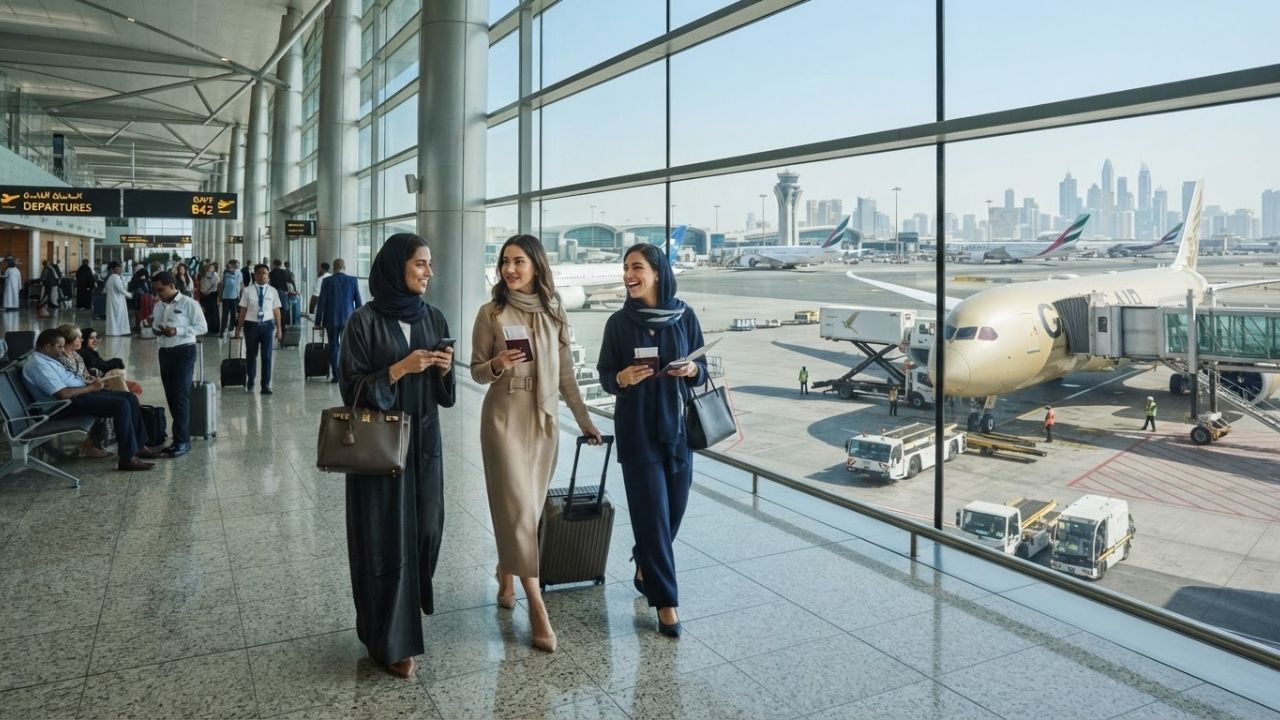
Image generated by AI
Middle Eastern carriers maintain their Boeing aircraft orders backlog of over 930 aircraft despite short-term regional airspace disruptions.
The Core Transit Update
Aviation fleet acquisitions and long-term capacity strategies in the Gulf region remain on track despite short-term regional airspace disruptions. In August 2026, Boeing reported that no Middle Eastern airline has requested to defer or restructure existing orders.
The regional backlog stands at over 930 aircraft, which constitutes approximately 14% of Boeing's global commercial order backlog. Despite June 2026 international traffic demand showing a 14% year-on-year drop due to geopolitical reroutings, carriers like Riyadh Air, Flynas, and Emirates are moving forward with fleet expansions.
Middle East Aviation & Fleet Commitment Specifications
Planning long-haul connections through the Gulf requires evaluating manufacturer delivery backlogs and airline fleet choices. The following tables outline regional aviation statistics and current fleet orders.
| Aviation Indicator & Metric | Operational Status / Volume | Strategic Context (June 2026) |
|---|---|---|
| Boeing Middle East Backlog | Over 930 aircraft | Represents about 14% of global backlog |
| 2026 Deliveries (YTD) | More than a dozen aircraft | Includes two 787 Dreamliners in June |
| Middle East Demand (YoY) | Down 14% | Influenced by regional airspace reroutings |
| Middle East Load Factor | 76.3% | Summer capacity load factor |
| Middle East Capacity Change | Down 11% | Adjusted flight paths and frequencies |
Middle East commercial aviation metrics and capacity indicators.
| Operating Airline | Aircraft Manufacturer | Committed Orders / Expansion Phase | Specific Aircraft Variants |
|---|---|---|---|
| Riyadh Air | Boeing / Airbus | 28 options exercised + 6 A350-1000s | 787-10 (20 units), A350-1000 (31 total) |
| Flynas | Airbus | 25 additional firm commitments | 235 total firm aircraft on order |
| Emirates | Boeing / Airbus | Long-term fleet strategy maintained | Wide-body fleet replacements |
Fleet acquisition commitments and aircraft orders from Gulf carriers.
Traveler Logistics Guide
From a ground-level perspective, the best way to navigate this is to expect minor route variations and longer flight times on flights linking Europe and Asia through Middle Eastern hubs, as carriers route aircraft conservatively around active airspace corridors to guarantee passenger safety. Checking real-time flight paths is recommended.
To plan your transit through Gulf hubs:
- Layover Buffers: If booking connecting flights via Dubai (DXB), Doha (DOH), or Riyadh (RUH), allow at least 2.5 to 3 hours between flight legs to account for flight path delays.
- Flight Path Tracking: Use flight-tracking services to monitor the actual routing of your flight segment, as detours can add 30 to 45 minutes to scheduled flight times.
- Ticket Protection: Ensure that multi-sector itineraries are booked under a single ticket or airline alliance code to guarantee baggage transfers and rebooking rights in case of delays.
- Haramain Rail Connections: For travelers routing through Jeddah (JED) for Umrah, pre-book Haramain high-speed train tickets to ensure immediate connections to Makkah.
Infrastructure Impact Assessment
The commitment of Gulf carriers to their order books supports the long-term expansion of regional airport infrastructure. By integrating new fuel-efficient aircraft models like the Boeing 787-10 and Airbus A350-1000, airlines mitigate elevated fuel costs associated with flight path detours.
This fleet modernization ensures that Middle Eastern hubs remain key transit nodes, connecting global passenger flows while supporting economic diversification and tourism growth across Saudi Arabia and the UAE.
Related Travel Guides
Saudi Arabia and Italy Launch Low-Cost Flights via flyadeal and Wizz Air
Shravani Mela 2026 Deoghar Travel Tips and Logistics Guide
10 Best Travel Tips for Middle East Airports, According to Reddit
Disclaimer
This article is for informational and educational purposes only. It does not constitute legal, financial, or professional advice. While we strive to provide accurate and up-to-date information, travel policies, regulations, and conditions change rapidly. Always verify information with official sources before making travel decisions. Nomad Lawyer makes no representations about the accuracy, reliability, completeness, or suitability of the information provided. Readers should consult qualified professionals for advice specific to their circumstances. The views expressed in this article are those of the author and do not necessarily reflect the views of Nomad Lawyer.