
Greece Tourism Update: Climate Threats Reshape Peloponnese Travel Plans
Ancient Messene, a cornerstone Peloponnese archaeological destination, faces mounting climate vulnerabilities from extreme weather in 2026. Heritage managers and tourism operators are implementing urgent protection strategies.

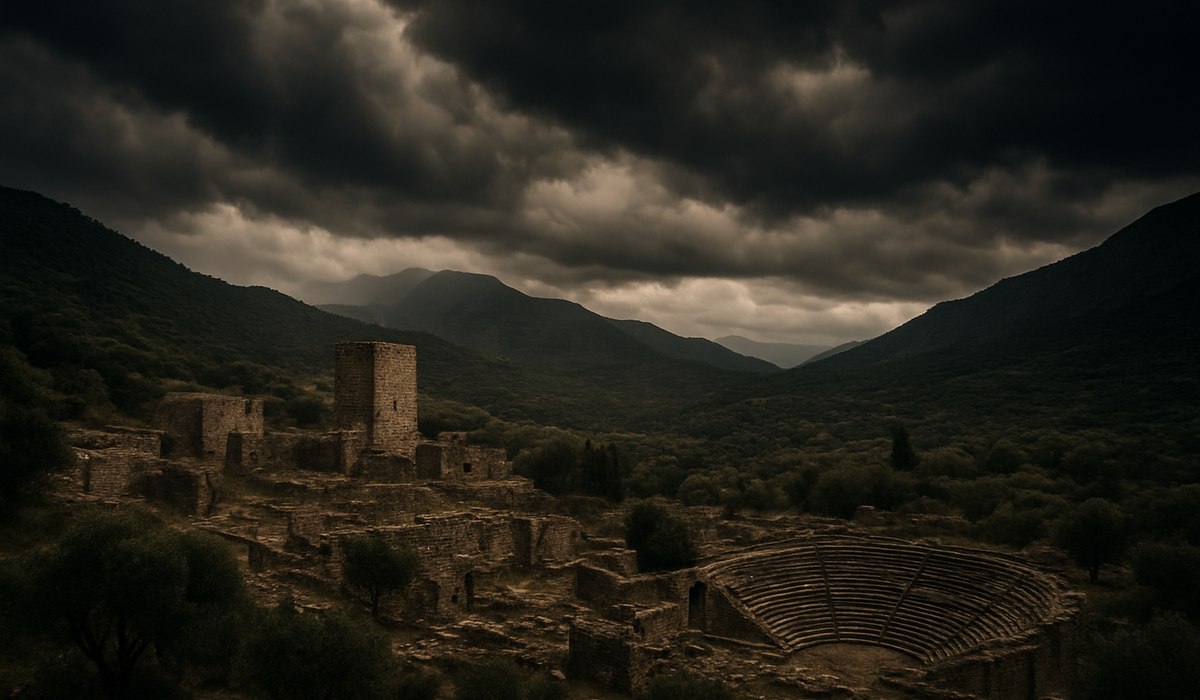
Image generated by AI
Ancient Messene Emerges as Greece's Climate Resilience Test Case
Ancient Messene, a sprawling fourth-century BC archaeological treasure in southwestern Peloponnese, is becoming Greece's front-line case study for protecting heritage sites against accelerating climate hazards. The iconic site—celebrated for its well-preserved fortifications, ancient theater, and stadium nestled among olive groves—now faces mounting vulnerabilities from extreme rainfall, flash flooding, soil erosion, and intensifying heat waves. This Greece tourism update reveals how the nation's tourism industry and cultural authorities are responding to environmental pressures that threaten one of western Peloponnese's most visited destinations.
The challenges at Ancient Messene reflect broader climate realities across Greece. Recent scientific assessments classify the site as highly exposed to cascading weather extremes, triggering urgent conversations among heritage managers, tour operators, and regional tourism boards about how to maintain access while safeguarding irreplaceable monuments.
Climate Vulnerabilities at Ancient Messene: What Scientists Found
Recent hydrological and geomorphological research has identified specific climate-driven threats targeting Ancient Messene's structural integrity. A comprehensive 2023 scientific assessment of Greek archaeological sites ranked Ancient Messene among the highest-vulnerability locations, citing concerns over landslides on steep surrounding hillsides, repeated wetting-and-drying cycles that destabilize ancient masonry, and the accumulated pressure from heavier storm systems on site drainage infrastructure.
The Greece tourism update indicates that researchers project increased frequency of intense precipitation events across Peloponnese catchments—a pattern mirroring recent climate impacts further north. Storm Daniel and similar Mediterranean systems have demonstrated how rapidly weather extremes can overwhelm existing protective measures at open-air sites. Wildfire risk has also intensified as summer drought conditions persist longer into autumn months, creating compound stressors that heritage managers must now address simultaneously.
Regional tourism stakeholders recognize that Ancient Messene's vulnerability extends beyond the site itself. As a key cultural waypoint on western Peloponnese itineraries—often paired with Kalamata's coastal attractions and Olympia's Olympic heritage—disruptions would ripple across the broader regional tourism economy.
Rising Risks: Flooding, Erosion, and Structural Threats to the Site
Flooding and erosion represent the most immediate physical threats documented in recent site assessments. Heavy autumn and winter rainfall events can undercut slopes surrounding excavated areas, erode pedestrian pathways, and destabilize standing architectural elements including portions of the ancient defensive walls.
Meanwhile, summer heatwaves create a different operational crisis. Southern Greece has experienced progressively hotter, longer summers, forcing Greek authorities to repeatedly shorten or modify operating schedules at major archaeological sites to reduce heat-related health risks for staff and visitors. Ancient Messene has been among locations where high temperatures demand careful schedule management.
The compound effect creates year-round operational challenges. Summer heat accelerates both chemical weathering of ancient stone and wildfire risk in surrounding vegetation, while autumn and winter extreme precipitation threatens structural stability across the entire site. This evolving climate baseline means that tourism businesses dependent on predictable access must now plan for seasonal closures driven by heat extremes or flood-related disruptions.
For international visitors, this unpredictability is already influencing travel decisions. Tour operators report increased inquiries about safety, access conditions, and visitor comfort during extreme weather periods, prompting many to encourage earlier morning visits during hot seasons and build schedule flexibility into Peloponnese itineraries.
Heritage Managers' Response: Preparing for Climate Extremes
Greece's government has launched a national strategy for safeguarding cultural heritage against accelerating climate impacts, supported by European Union recovery funding. The framework prioritizes archaeological sites facing high vulnerability to flooding, heat stress, sea level rise, and wildfire—explicitly extending protection measures beyond flagship locations like the Acropolis to include regional treasures like Ancient Messene.
The national strategy outlines concrete protective infrastructure including upgraded drainage systems and flood defense barriers, firebreaks and vegetation management programs, enhanced structural monitoring systems, and digital technologies for tracking microclimatic variations around monuments. These interventions aim to maintain both site integrity and reliable visitor access throughout the year.
Regional heritage authorities have begun implementing phase-one measures including improved stormwater management around excavated areas and early-warning systems for extreme weather events. Collaboration between Greece's cultural ministry, tourism boards, and European heritage networks is generating knowledge-sharing initiatives to identify best practices from other Mediterranean countries facing similar climate pressures on archaeological sites.
Tourism Impact and Regional Implications for Western Peloponnese
The Greece tourism update carries significant implications for tour operators, accommodation providers, and regional economies dependent on cultural tourism throughout western Peloponnese. Ancient Messene attracts thousands of international visitors annually, contributing measurably to local employment and business revenue across Kalamata and surrounding communities.
Climate-driven operational disruptions introduce planning uncertainty for multi-day Peloponnese itineraries. Tour companies are already adapting by building flexible routing options, offering alternative interior cultural attractions during extreme weather periods, and providing climate-resilient activity scheduling. Hotels and travel agencies report increasing demand for climate-adaptive itinerary planning assistance.
The broader implications extend to Greece's tourism competitiveness. As southern European destinations face intensifying climate pressures, heritage sites demonstrating proactive climate adaptation may retain visitor confidence while others experience declining visitation due to unpredictability or damage. The Greece tourism update suggests that early investment in resilience infrastructure at iconic sites like Ancient Messene positions the nation competitively within Mediterranean tourism markets.
Regional authorities recognize that transparent communication about climate vulnerabilities and protective measures—rather than minimizing risks—actually strengthens tourism appeal among environmentally conscious international travelers increasingly interested in sustainable cultural tourism.
Key Climate and Tourism Data for Ancient Messene
| Metric | Details | Implications |
|---|---|---|
| Site Classification | Fourth-century BC Peloponnese archaeological treasure | 2,400+ years of cultural heritage exposure to climate hazards |
| Vulnerability Assessment | 2023 study ranked site among Greece's highest-risk locations | Heritage funding prioritization and intervention planning |
| Primary Climate Threats | Flooding, erosion, heat stress, wildfire proximity | Year-round operational disruption potential for tourism |
| Summer Temperature Trends | Progressively hotter, longer heat waves documented since 2020 | Operating hour reductions implemented during peak heat |
| Precipitation Extremes | Increased frequency of intense rainfall events (Storm Daniel model) | Flash flooding and drainage system overwhelm risk elevated |
| Regional Tourism Economy | Ancient Messene visits support Kalamata and western Peloponnese businesses | Climate disruptions affect multi-day itinerary viability |
| National Response | EU-funded heritage protection strategy launched 2024-2026 | Infrastructure upgrades and monitoring systems deployment underway |
| Tour Operator Adaptation | Early-morning visits promoted; flexible itinerary scheduling increasing | Tourism model shifting toward climate-adaptive planning |
What This Means for Travelers
International visitors planning Peloponnese itineraries should understand how the Greece tourism update affects their travel planning:
-
Build Schedule Flexibility: Include buffer days in Peloponnese itineraries to accommodate potential weather-driven site closures during summer heat or autumn storms.
-
Plan Early-Morning Visits: Visit Ancient Messene and other exposed archaeological sites during early hours (8:00-11:00 AM) during June-September to avoid peak heat and sun exposure.
-
Monitor Site Announcements: Check the official Archaeological Site of Ancient Messene website and Greece tourism authorities for seasonal operating schedule changes before your visit.
-
Prepare for Alternate Attractions: Identify indoor cultural alternatives (museums, covered archaeological exhibits) in Kalamata and nearby towns in case outdoor site access becomes limited.
-
Engage Climate-Aware Tour Operators: Select tour companies demonstrating climate adaptation practices, flexible routing, and transparent communication
Disclaimer
This article is for informational and educational purposes only. It does not constitute legal, financial, or professional advice. While we strive to provide accurate and up-to-date information, travel policies, regulations, and conditions change rapidly. Always verify information with official sources before making travel decisions. Nomad Lawyer makes no representations about the accuracy, reliability, completeness, or suitability of the information provided. Readers should consult qualified professionals for advice specific to their circumstances. The views expressed in this article are those of the author and do not necessarily reflect the views of Nomad Lawyer.
Kunal K Choudhary
Co-Founder & Contributor
A passionate traveller and tech enthusiast. Kunal contributes to the vision and growth of Nomad Lawyer, bringing fresh perspectives and driving the community forward.
Learn more about our team →