
Greece Tourism Hidden Island Escapes
Greece Tourism highlights lesser-known islands Milos, Naxos, Ikaria, Folegandros, and Symi as tranquil alternatives to crowded hotspots. Read updates.

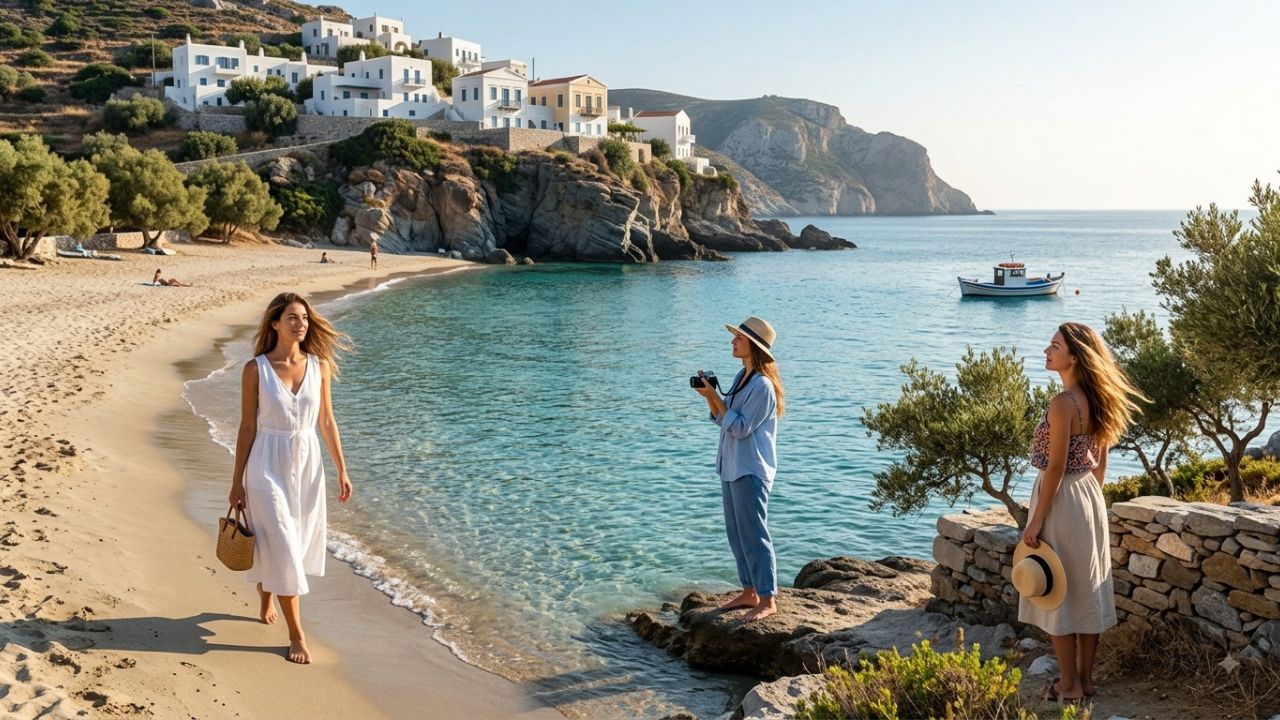
Image generated by AI
According to tourism advisories published on August 15, 2026, Greece is promoting five lesser-known island destinations as tranquil alternatives to overcrowded summer hotspots like Santorini and Crete.
The initiative highlights the islands of Milos, Naxos, Ikaria, Folegandros, and Symi, offering crowd-free escapes characterized by dramatic coastlines, traditional settlements, and a slower pace of life. By showcasing volcanic rock formations, extensive sandy beaches, neoclassical architecture, and natural wellness traditions, tourism boards aim to encourage sustainable travel and distribute visitor arrivals away from congested ports. Travelers looking for authenticity and privacy are increasingly choosing these emerging Cycladic and Aegean destinations for their Mediterranean holidays.
The shift toward quieter islands reflects a growing preference among international visitors to avoid peak-season crowds and connect directly with local Greek communities. While major resorts experience high occupancy rates during the summer months, smaller destinations provide opportunities to explore untouched environments, traditional villages, and regional culinary specialties without travel friction. To ensure a smooth journey, travel operators recommend checking regional ferry schedules in advance and booking local accommodations early, as infrastructure on smaller islands is limited.
Quiet Mediterranean Alternatives and Changing Travel Preferences
The demand for slower, more meaningful travel is reshaping the Aegean tourism industry, encouraging visitors to explore areas outside the main travel hubs. By selecting alternative islands, travelers can escape busy transport terminals, enjoy open beaches, and experience traditional island hospitality. To help travelers compare the key highlights, geographic groups, and unique attractions of the five highlighted Greek islands, the following table summarizes the primary destination details:
| Greek Island Destination | Geographic Island Group | Signature Natural & Historic Features | Unique Local Dining Specialties |
|---|---|---|---|
| Milos | South Cyclades volcanic chain | White volcanic rock formations, sarakiniko cliffs | Pitarakia savory cheese pies, karpouzopita |
| Naxos | Central Cyclades archipelago | Extensive sandy beaches, historic mountain villages | Graviera Naxou cheese, Kalogeros beef stew |
| Folegandros | South Cyclades island ridge | Whitewashed villages, dramatic cliff views | Traditional handmade Matsata pasta dishes |
| Symi | Dodecanese archipelago | Colorful neoclassical harbors, quiet bays | Pan-fried Symi shrimp eaten whole with shells |
| Ikaria | East Aegean volcanic chain | Natural hot springs, hiking trails, longevity culture | Soufiko vegetable stew, wild thyme honey |
Volcanic Cliffs of Milos and Spacious Sandy Coastlines of Naxos
Milos is recognized as one of the most visually striking islands in the Cyclades, characterized by its dramatic geological history and volcanic coastline. The island's white volcanic cliffs, caves, and clear waters make it a favorite destination for photography, sea kayaking, and quiet coastal walks. Unlike other Aegean spots dominated by large resort entertainment, Milos maintains a relaxed environment, encouraging visitors to slow down and explore traditional fishing villages like Klima and Mandrakia.
Naxos, the largest of the Cycladic islands, offers a unique combination of long sandy beaches, ancient landmarks, and agricultural villages. The island's extensive coastline ensures that beachgoers can find quiet spaces even during the peak summer months. Beyond the coast, the mountainous interior of Naxos features historic villages like Apiranthos and Halki, where local cooperatives continue to produce traditional cheeses and citrus liqueurs, providing a glimpse into everyday Greek life.
Neoclassical Elegance of Symi and Longevity Traditions of Ikaria
Symi provides a different perspective on Mediterranean beauty, characterized by its colorful neoclassical architecture and elegant waterfront harbors. The town's preserved historical buildings rise steeply from the sea, creating a picturesque harbor that has avoided major modern development. Visitors can explore quiet coves by taxi boat, sample fresh seafood at family owned waterfront tavernas, and stay in restored neoclassical guesthouses that showcase traditional Dodecanese hospitality.
Ikaria has gained international recognition as a Blue Zone, celebrated for the longevity of its residents, its relaxed lifestyle, and its wild natural environment. The island encourages a slow approach to daily life, with hiking routes that lead through oak forests, mountain villages, and natural thermal springs. Rather than focusing on structured tourist attractions, Ikaria invites visitors to enjoy simple activities, participate in traditional village festivals (panigiria), and experience a natural rhythm that promotes wellness.
Essential Maritime Transport Planning for Greece's Alternative Islands
Traveling to these lesser-known Greek islands requires careful planning and flexibility, as many lack direct international flights and must be accessed via mainland ports or regional hubs. Ferries are the primary mode of transport connecting Athens (Piraeus and Rafina ports) to the Cyclades and Dodecanese islands. Travelers should verify sailing schedules in advance, as summer winds (meltemi) can cause delays or route modifications, particularly for smaller high-speed catamarans.
Additionally, because smaller islands limit commercial development to preserve their traditional character, accommodation and vehicle rental availability can be tight during July and August. Reserving guesthouses and local transportation months ahead ensures a smoother experience. Exploring these islands responsibly—by utilizing local public buses, walking on historic stone paths, and respecting the fragile environment—helps protect the traditional infrastructure that makes these quiet getaways so appealing.
Why This Matters (Information Gain & Experience)
For the traveler, this means that selecting Milos, Naxos, or Ikaria allows you to design a holiday focused on authentic culture and natural beauty, free from the crowded alleys of Santorini. Scheduling your trip during the shoulder months of June or September provides warm sea temperatures and quieter beaches at lower prices. From a logistical standpoint, travelers should book conventional open-deck ferries rather than high-speed catamarans during the windy month of August to reduce the risk of travel sickness and weather-related cancellations.
Additionally, choosing to practice sustainable travel on these islands directly supports local families and protects regional ecosystems. Travelers can support the local economy by staying in family run pension houses, dining at traditional tavernas, and purchasing local goods like graviera cheese in Naxos, wild thyme honey in Ikaria, or handmade ceramics in Symi. Exploring sites like Sarakiniko beach in Milos at sunrise avoids the heat, while respecting church dress codes by covering shoulders and knees preserves local customs. Using refillable water containers, staying on designated walking trails, and supporting local island conservation programs ensures a safe, eco-friendly, and culturally respectful journey across Greece's hidden paradises.
Related Travel Guides
Disclaimer
This article is for informational and educational purposes only. It does not constitute legal, financial, or professional advice. While we strive to provide accurate and up-to-date information, travel policies, regulations, and conditions change rapidly. Always verify information with official sources before making travel decisions. Nomad Lawyer makes no representations about the accuracy, reliability, completeness, or suitability of the information provided. Readers should consult qualified professionals for advice specific to their circumstances. The views expressed in this article are those of the author and do not necessarily reflect the views of Nomad Lawyer.
Raushan Kumar
Founder & Lead Developer
Full-stack developer with 11+ years of experience and a passionate traveller. Raushan built Nomad Lawyer from the ground up with a vision to create the best travel and law experience on the web.
Learn more about our team →