
Greece Joins Spain and France in High-Alert Travel Crisis as Crete Wildfires Force 8,000 Evacuations in 2026
Raging wildfires in Crete force 8,000 evacuations as Greece joins Spain, France, and Portugal in a high-alert European summer travel crisis.

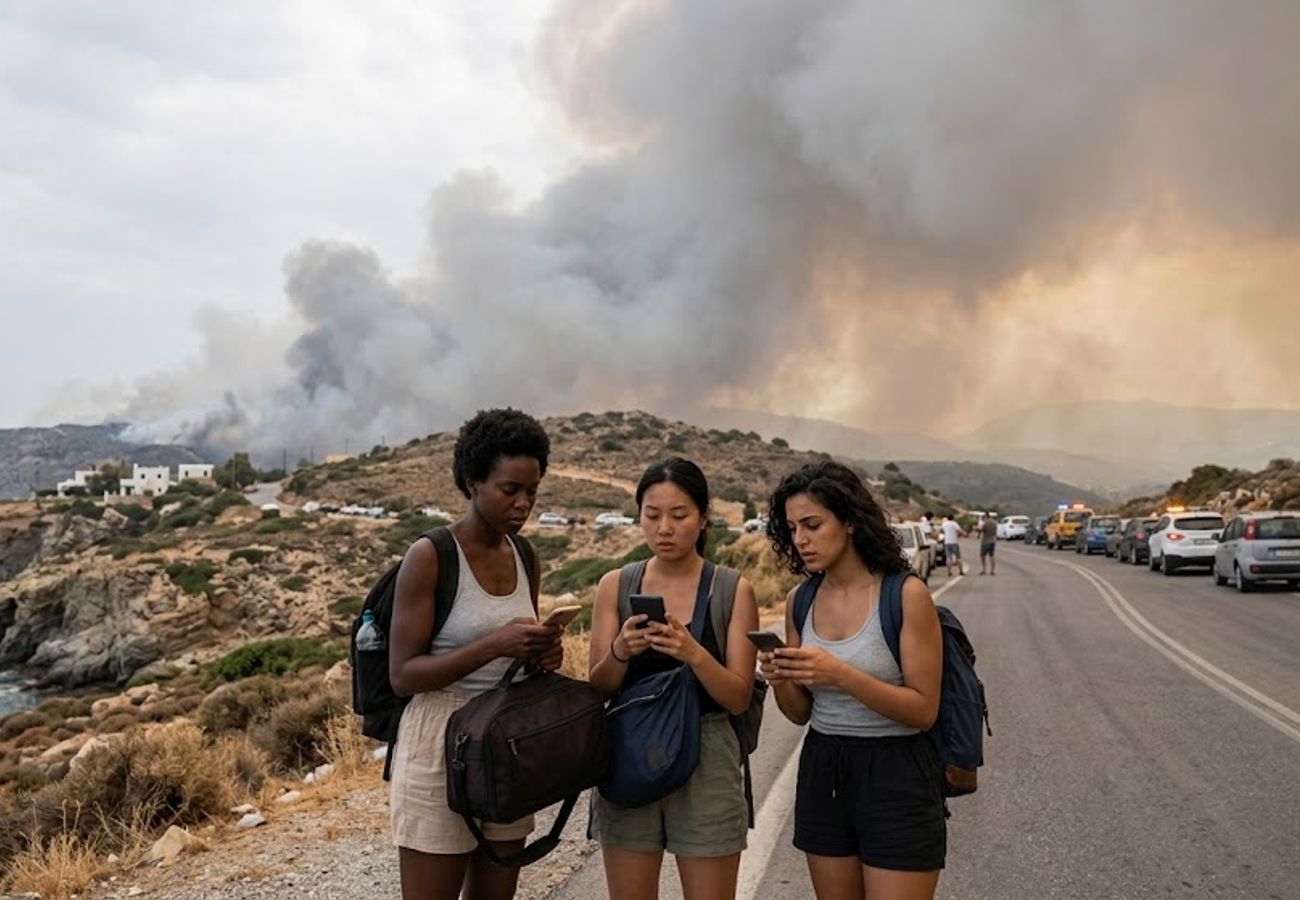
Image generated by AI
Raging wildfires in Crete have forced 8,000 people into overnight evacuations, with winds hitting 125 km/h (77 mph). Greece now stands alongside Spain, France, and Portugal in a high-alert climate emergency that is fundamentally reshaping the 2026 European summer travel season.
The Mediterranean Shift: A New Era of Climate-Driven Travel Disruptions
Greece has become the latest flashpoint in a sweeping European wildfire emergency. Fast-moving fires tore across parts of Crete, one of the nation’s most vital international tourism hubs. The situation escalated rapidly as powerful winds, with gusts reaching 125 km/h (77 mph), fanned flames through dry vegetation. Approximately 8,000 people were evacuated from their homes overnight as a precautionary measure. While many residents and holidaymakers were later permitted to return after emergency teams assessed the damage, the sudden displacement underscored the severe vulnerability of peak-season Mediterranean travel.
This Greek crisis does not exist in isolation. It follows intense wildfire activity in Spain, where Madrid and surrounding areas are battling extreme heat emergencies. Southern France is also facing severe fire threats, and Portugal remains on high alert. Southern Europe is entering one of its most difficult summer seasons, with popular beach destinations, historic cities, and outdoor recreation areas facing evacuation orders, safety warnings, and air-quality concerns.
Cultural and Environmental Value: Protecting Heritage and Ecosystems
For the visitor, the real impact goes far beyond temporary flight delays or hotel relocations. The wildfires directly threaten the agricultural zones, natural habitats, and historic tourism infrastructure that form the economic backbone of regions like Crete. The Hellenic Fire Service, alongside local municipal authorities, has mobilized hundreds of firefighters, ground vehicles, and aircraft to contain the blazes. The Coast Guard executed sea rescues to evacuate people from coastal zones where road access was compromised.
In Spain, the threat to rural communities and natural parks affects adventure travelers and local populations alike. Organizations such as the Spanish regional conservation bodies are working to mitigate damage to protected natural areas. The challenge lies in balancing the immediate need to protect human life with the long-term preservation of cultural and environmental heritage. When travelers support local businesses that prioritize eco-tourism and sustainable land management, they contribute directly to the resilience of these communities. Directing tourism spending toward local family-run tavernas and eco-certified tour operators helps rebuild regional economies after climate-related disasters.
Visitor Insider Tips: Navigating the Crisis Responsibly
Traveling to Southern Europe during wildfire season requires heightened awareness and a commitment to local safety protocols. Here is what visitors need to know:
Monitor Official Channels: Always check updates from the Greek Civil Protection Authority or the local municipal websites before heading to affected regions. Wildfire conditions can shift rapidly based on wind direction.
Respect Evacuation Orders: If local authorities issue an evacuation directive, comply immediately. Do not attempt to retrieve belongings or photograph the fires. This endangers both your life and the lives of emergency responders.
Seek Out Safe Zones: While coastal areas in Crete like Chania and Rethymno may experience disruptions, the eastern regions often remain unaffected. Explore the inland mountain villages of the Lassithi Plateau, which offer cooler temperatures and a retreat from the coastal fire risks.
Support Local Dining: Instead of frequenting large international hotel chains, seek out local tavernas serving traditional Cretan dishes like dakos (a barley rusk salad with tomatoes and feta) or fresh locally caught seafood. This ensures your tourist dollars directly support families impacted by the economic downturn caused by the fires.
Off-Peak Travel: Consider shifting your Mediterranean travel to the shoulder seasons of late September or October. The waters remain warm, the crowds are thinner, and the risk of extreme heat and wildfires drops significantly, reducing the strain on local emergency services.
The Regional Ripple Effect: Spain and France
The climate emergency is forcing a reevaluation of travel plans across the continent. In Spain, extreme temperatures in Madrid have raised significant concerns for elderly travelers and families with young children. The Spanish countryside has seen temporary road closures near affected areas, restrictions around natural parks, and smoke pollution affecting local communities. Authorities have deployed firefighters, police, civil protection units, and the military to support rescue operations, arranging safe shelters for displaced travelers.
Southern France is experiencing a parallel crisis. High temperatures, dry conditions, and strong winds have increased fire risks in the country's most visited southern regions. Emergency services have increased firefighting operations, and authorities have introduced restrictions in high-risk areas. Travelers face temporary closures of natural attractions, increased safety monitoring around holiday areas, and travel delays caused by local road restrictions. The French wildfire situation demonstrates that destinations relying on summer tourism are increasingly vulnerable to extreme weather events.
Tourism Outlook: Adapting to a New Reality
The long-term impact on European tourism will require a structural shift in how destinations manage peak season travel. Local tourism departments will need to invest in more robust emergency communication systems and diversify their tourist offerings to reduce pressure on highly vulnerable natural areas. The 2026 summer crisis serves as a clear signal that the era of unrestricted peak-season travel to Southern Europe is facing serious environmental constraints. Destinations that prioritize sustainable visitor caps, support local eco-tourism initiatives, and enforce strict environmental conservation will be better equipped to handle future climate threats.
For now, authorities across Greece, Spain, France, and Portugal continue to advise visitors to remain cautious, follow official safety updates, and prepare for rapidly changing conditions.
Travelers must adapt to the reality of climate-driven disruptions, prioritizing safety and local community support over rigid itineraries.
Related Travel Guides
Disclaimer
This article is for informational and educational purposes only. It does not constitute legal, financial, or professional advice. While we strive to provide accurate and up-to-date information, travel policies, regulations, and conditions change rapidly. Always verify information with official sources before making travel decisions. Nomad Lawyer makes no representations about the accuracy, reliability, completeness, or suitability of the information provided. Readers should consult qualified professionals for advice specific to their circumstances. The views expressed in this article are those of the author and do not necessarily reflect the views of Nomad Lawyer.
Kunal K Choudhary
Co-Founder & Contributor
A passionate traveller and tech enthusiast. Kunal contributes to the vision and growth of Nomad Lawyer, bringing fresh perspectives and driving the community forward.
Learn more about our team →