
Great Smoky Mountains National Park Remains Open Through January 4 2026 Despite Federal Government Shutdown
Great Smoky Mountains National Park continues operations via emergency state and local funding of $1.9 million through January 4, 2026, amid a federal government shutdown.

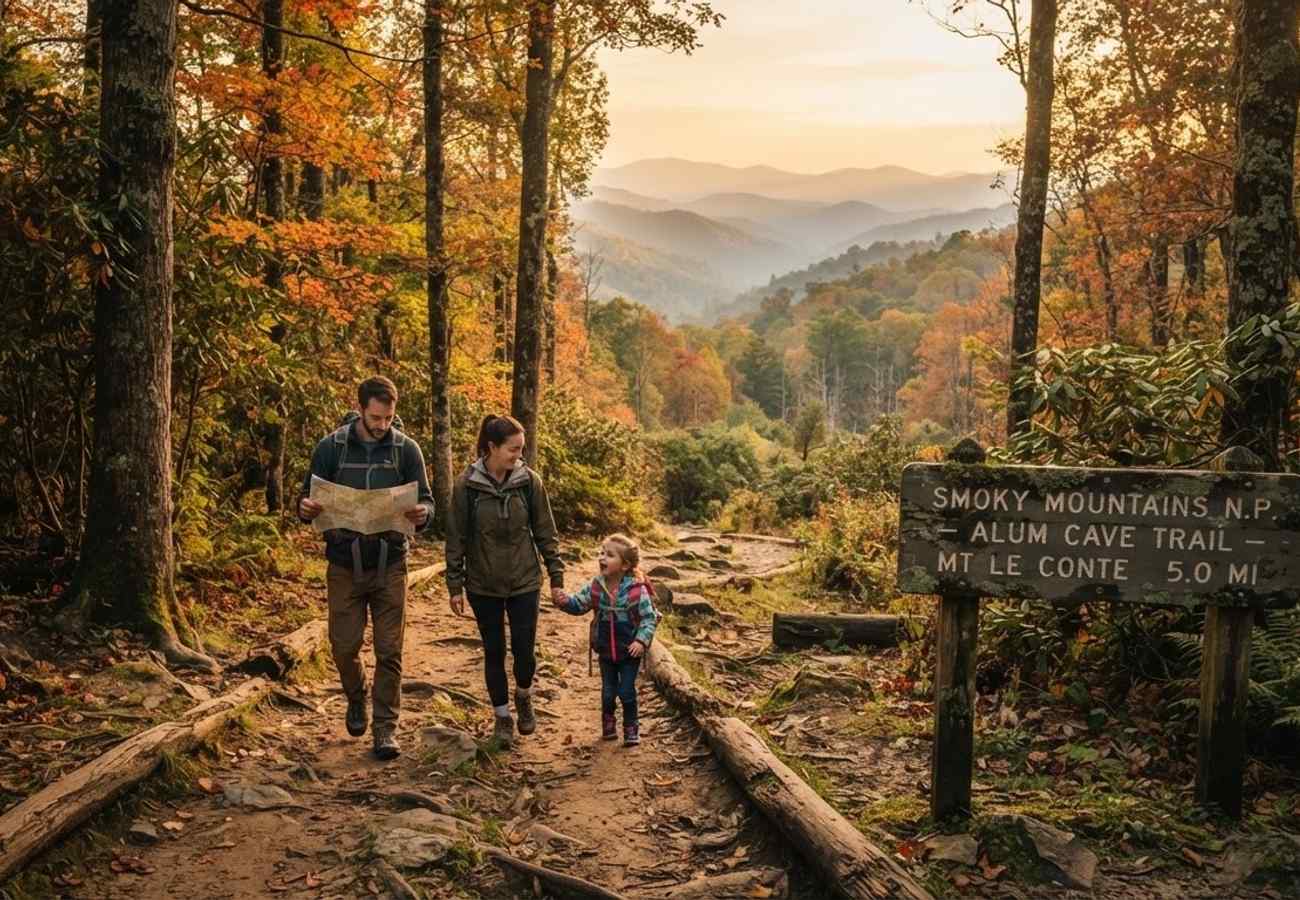
Image generated by AI
Federal funding gaps have forced Great Smoky Mountains National Park to rely on a $1.9 million emergency funding package from state and local partners to maintain basic operations through January 4, 2026.
While the ongoing U.S. government shutdown has left many national park sites unattended or closed, Great Smoky Mountains National Park remains accessible. This stability is maintained through a consortium of regional entities providing critical financial support to prevent a total operational collapse.
The Disruption Details
The federal shutdown has resulted in the furlough of significant portions of the National Park Service (NPS) workforce. Consequently, the park is operating with severely limited staffing. While the gates remain open, the lack of federal payroll means that non-essential services, scientific research, and long-term conservation projects have been paused.
To mitigate these effects, the State of Tennessee and various local partners have intervened. The State of Tennessee is contributing $80,000 per week, while other local partners have pledged approximately $45,000. In total, these entities have provided $1.9 million to sustain the park's basic functions.
Flight and Regional Impact Breakdown
The disruption is primarily operational rather than logistical, though the impact on the surrounding tourism ecosystem is significant:
- Operational Deadline: Current emergency funding is guaranteed only until January 4, 2026.
- Visitor Volume: Despite the shutdown, the park recorded nearly two million visitors in October.
- Service Limitations: Only "basic services" are available; visitor centers and specialized NPS programs may be limited or unavailable.
- Economic Hubs: Pigeon Forge and Sevierville continue to operate normally, reporting a "fantastic October" with no significant spike in hotel or attraction cancellations.
- Funding Entities: Support is provided by the State of Tennessee, Blount County, Cocke County, Sevier County, the City of Gatlinburg, the City of Pigeon Forge, the City of Sevierville, the Pittman Center, the Eastern Band of Cherokee Indians, Friends of the Smokies, and Smokies Life.
Passenger Rights & Advisory (Information Gain)
Travelers visiting national parks during a government shutdown face unique challenges regarding information accuracy and service availability. Because the official National Park Service (NPS) websites are often unattended during shutdowns, visitors should follow these guidelines:
Due Diligence and Planning
- Verify Access: Do not rely on the official .gov website for real-time updates. Check local tourism boards (e.g., Pigeon Forge Department of Tourism) for current accessibility status.
- Staffing Expectations: Be prepared for a lack of on-site rangers. This means limited assistance with emergencies, trail guidance, and permit issuance.
- Self-Sufficiency: Ensure you have offline maps and comprehensive safety gear, as emergency response times may be slower due to furloughed staff.
Financial and Booking Protections
- Hotel and Rental Cancellations: Under standard U.S. travel law, a government shutdown typically does not qualify as a "force majeure" event for private hotel or rental car cancellations unless the specific property is located within a closed federal zone. Check your booking terms for "flexible" or "refundable" status.
- Travel Insurance: If you hold a "Cancel for Any Reason" (CFAR) policy, you may be eligible for reimbursement if the shutdown renders your primary destination inaccessible. Standard policies may not cover government shutdowns unless specifically listed as a covered peril.
Industry Analyst View
The situation at Great Smoky Mountains National Park highlights a growing vulnerability in the U.S. federal land management model. The reliance on a $1.9 million "patchwork" funding strategy from state and local governments is an unsustainable stopgap.
From an operational perspective, the "basic services" model creates a dangerous dichotomy: the park remains open to millions of visitors (nearly two million in October alone), yet the staff required to manage that volume—specifically in conservation and safety—is largely absent. This creates a significant risk of environmental degradation and increased safety hazards. The regional economy of Pigeon Forge remains resilient for now, but the long-term viability of the area's tourism depends on the federal government's ability to provide stable, predictable management of the park's infrastructure.
Operational stability remains precarious until a federal budget resolution is reached.
Related Travel Guides
Disclaimer
This article is for informational and educational purposes only. It does not constitute legal, financial, or professional advice. While we strive to provide accurate and up-to-date information, travel policies, regulations, and conditions change rapidly. Always verify information with official sources before making travel decisions. Nomad Lawyer makes no representations about the accuracy, reliability, completeness, or suitability of the information provided. Readers should consult qualified professionals for advice specific to their circumstances. The views expressed in this article are those of the author and do not necessarily reflect the views of Nomad Lawyer.
Preeti Gunjan
Contributor & Community Manager
A passionate traveller and community builder. Preeti helps grow the Nomad Lawyer community, fostering engagement and bringing the reader experience to life.
Learn more about our team →