
Govt Approves Fund: India Shields Airlines From ATF Price Surge
India's govt approves Rs 10,000 crore emergency fund in 2026 to shield domestic airlines from soaring aviation turbine fuel costs triggered by West Asia geopolitical crisis and regional airspace closures.

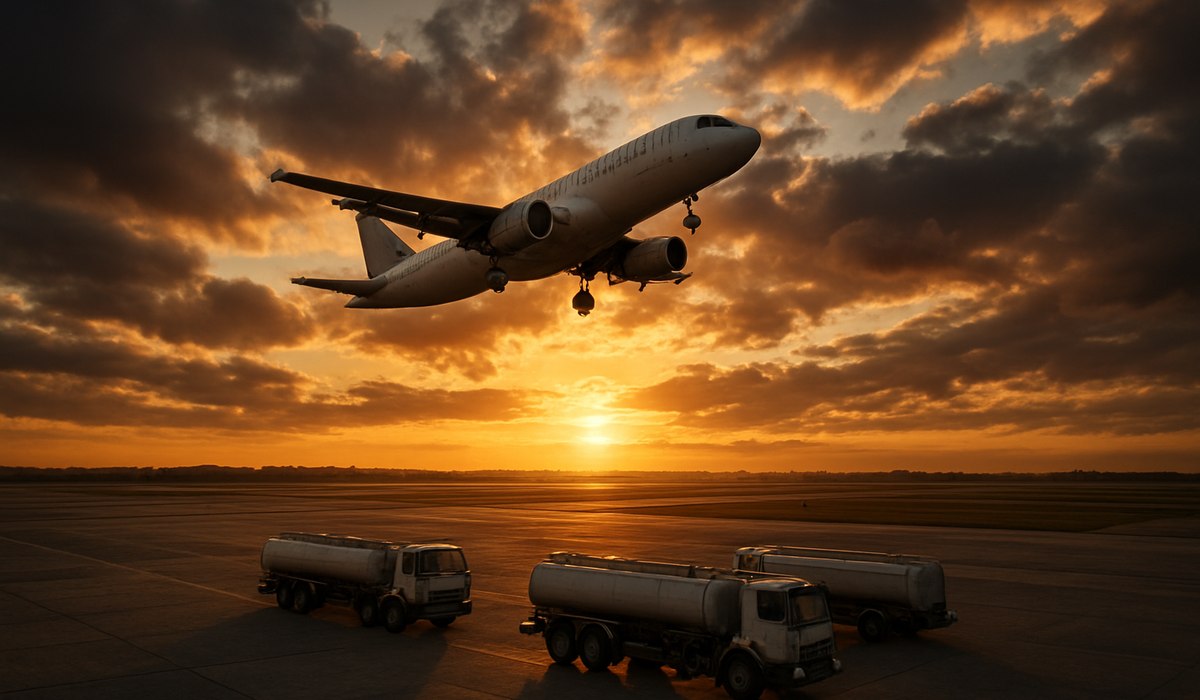
Image generated by AI
India's Government Approves Emergency ATF Relief Fund for Domestic Carriers
India's federal government announced a landmark Rs 10,000 crore budgetary allocation on June 3, 2026, to shield domestic airlines from unprecedented aviation turbine fuel (ATF) price pressures. Information & Broadcasting Minister Ashwini Vaishnaw confirmed the decision, highlighting how escalating geopolitical tensions in West Asia and Pakistan's closure of Indian airspace have created acute operational challenges for carriers. The emergency financial package represents a critical intervention as ATF—accounting for approximately 40% of airline operational costs—has surged significantly since late February 2026, threatening flight schedules and service continuity across Indian domestic routes.
Government Approves Emergency ATF Relief Package
The Rs 10,000 crore allocation marks a decisive government intervention aimed at stabilizing India's aviation sector during an unprecedented cost crisis. Airlines operating across major hubs including Delhi, Mumbai, Bangalore, and Hyderabad face mounting pressure as fuel expenses consume larger margins than historical averages. The budgetary support directly addresses airline operational sustainability without requiring immediate fare hikes that could burden traveling publics. Industry analysts note this represents one of India's most substantial aviation support measures in recent years, designed to maintain service levels while geopolitical conditions normalize. The fund deployment ensures carriers can absorb fuel cost volatility while maintaining flight frequency on competitive routes. Airlines have welcomed this intervention, signaling commitment to service continuity throughout the crisis period.
Rising Fuel Costs Impact Airline Operations
Aviation turbine fuel represents the single largest expense component for Indian carriers, creating cascading impacts across operations when global prices spike. The West Asia conflict beginning in late February 2026 triggered supply chain disruptions and speculative trading that pushed ATF costs to multi-year highs. Regional airspace restrictions, particularly Pakistan's closure affecting Indian carriers, have forced airlines to adopt longer routing patterns, increasing flight times and fuel consumption. Smaller carriers and budget operators face disproportionate pressures due to limited hedging capacity and reduced financial reserves compared to full-service carriers. Route economics on domestic operations shifted dramatically as fuel surcharges and operational inefficiencies mounted. The government fund directly addresses these structural pressures by providing immediate financial relief while airlines implement efficiency measures and network optimization strategies.
Geopolitical Tensions Drive Aviation Expenses Higher
The West Asia crisis originating in late February 2026 fundamentally altered global aviation fuel markets and regional operational dynamics. Pakistan's decision to close airspace to Indian carriers extended flight routes substantially, particularly on routes connecting northern and eastern India with western hubs. These longer routings increased per-flight fuel consumption by 8-12%, compounding cost impacts during an already volatile pricing environment. Airlines rerouting flights through alternate corridors experienced schedule delays, crew utilization challenges, and fuel reserve complications. The cumulative effect created genuine operational crises for carriers managing tight margins pre-crisis. Government support through the approved fund recognizes how external geopolitical factors—beyond airline control—require public sector intervention to maintain aviation infrastructure and connectivity.
Support Measures for Indian Carriers and Route Continuity
The Rs 10,000 crore relief package supports all qualifying Indian airlines operating scheduled domestic services, providing proportional allocation based on operational scale and fuel consumption. Airlines can access funds through documented fuel cost escalation claims verified by government-designated aviation authorities. The support framework encourages carriers to maintain current route networks and flight frequencies without immediate service reductions. Major carriers including Air India, IndiGo, Spice Jet, and regional operators will benefit from expedited fund disbursement processes. Beyond direct financial relief, the government signal strengthens airline credit ratings and facilitates easier access to working capital through banking channels. Recovery timelines remain uncertain pending West Asia stabilization and Pakistan airspace reopening decisions, but interim support ensures connectivity on essential domestic corridors including Delhi-Mumbai, Bangalore-Hyderabad, and emerging tier-2 routes.
Traveler Action Checklist
- Check flight status 24 hours before departure using official airline channels or FlightAware tracking services.
- Verify your airline's fuel surcharge policies and current applicable fees before booking or confirming reservations.
- Monitor airfare trends on your preferred routes; some prices may stabilize as fuel cost support takes effect.
- Review your ticket cancellation and modification policies; some airlines may adjust terms during operational adjustments.
- Register with your airline's notification system to receive schedule change alerts and reroute notifications.
- Keep emergency contact information for your airline readily available; longer routings may occasionally require last-minute adjustments.
- Document any flight delays or service disruptions for potential compensation claims under US DOT or equivalent regulations.
Key Impact Data: ATF Crisis and Government Response
| Factor | Impact | Timeline | Affected Routes | Mitigation Measure |
|---|---|---|---|---|
| ATF Price Surge | 35-42% increase | Late Feb 2026 onwards | All domestic networks | Rs 10,000 crore fund |
| Operational Cost Impact | 40% of airline expenses | Ongoing | Pan-India routes | Proportional allocation |
| Airspace Closure (Pakistan) | +8-12% fuel consumption | Feb-June 2026 | Northern-Western corridors | Route optimization |
| Relief Fund Allocation | Rs 10,000 crore total | June 2026 deployment | All qualifying carriers | Direct disbursement |
| Government Support Timeline | Emergency basis | Immediate effect | Major hubs | Ongoing monitoring |
What This Means for Travelers in 2026
The government fund allocation provides travelers with important assurance that Indian carriers can maintain scheduled operations without immediate drastic service cuts or extreme price escalations. Budget-conscious passengers may benefit as airlines delay fare adjustments while accessing relief funds. However, some carriers may still implement modest fuel surcharges or adjust baggage policies to manage costs comprehensively. Travelers on routes affected by longer routings should expect slightly extended flight times during the Pakistan airspace closure period. Business travelers may experience schedule instability on alternate routes as airlines optimize networks. The government intervention essentially purchases time for airlines to implement fuel efficiency improvements, network restructuring, and hedging strategies that reduce long-term vulnerability to commodity price volatility.
Frequently Asked Questions
Q: Will airline ticket prices decrease due to the government fund? The fund supports airline operations but doesn't guarantee immediate price reductions. Airlines may stabilize fares rather than lower them, prioritizing operational sustainability. Some routes may experience modest increases to recover costs while relief money flows through disbursement systems.
Q: How long will the Rs 10,000 crore fund last given daily operational costs? Fund duration depends on airline utilization rates and fuel price trends. Industry estimates suggest 2-4 months of relief at current consumption levels. Actual duration varies by carrier size and operational efficiency improvements implemented during the support period.
Q: Which airlines qualify for this government support? All scheduled domestic carriers operating from Indian airports qualify based on regulatory registration. Allocation occurs proportionally to operational scale and verified fuel cost impacts. Smaller regional carriers and budget operators receive proportional support based on fleet size.
Q: What happens when the fund depletes if geopolitical tensions continue? Additional government interventions remain possible depending on political and economic conditions. Airlines may implement complementary measures including capacity adjustments, dynamic pricing, and route rationalization. Industry coordination with government continues to monitor crisis duration and response adequacy.
Related Travel Guides
Disclaimer
This article is for informational and educational purposes only. It does not constitute legal, financial, or professional advice. While we strive to provide accurate and up-to-date information, travel policies, regulations, and conditions change rapidly. Always verify information with official sources before making travel decisions. Nomad Lawyer makes no representations about the accuracy, reliability, completeness, or suitability of the information provided. Readers should consult qualified professionals for advice specific to their circumstances. The views expressed in this article are those of the author and do not necessarily reflect the views of Nomad Lawyer.
Kunal K Choudhary
Co-Founder & Contributor
A passionate traveller and tech enthusiast. Kunal contributes to the vision and growth of Nomad Lawyer, bringing fresh perspectives and driving the community forward.
Learn more about our team →