
Germany’s Lufthansa Fleet Expansion Accelerates With 20 New Boeing Aircraft for Future Aviation Growth
Germany’s Lufthansa Fleet Expansion Accelerates With 20 New Boeing Aircraft for Future Aviation Growth

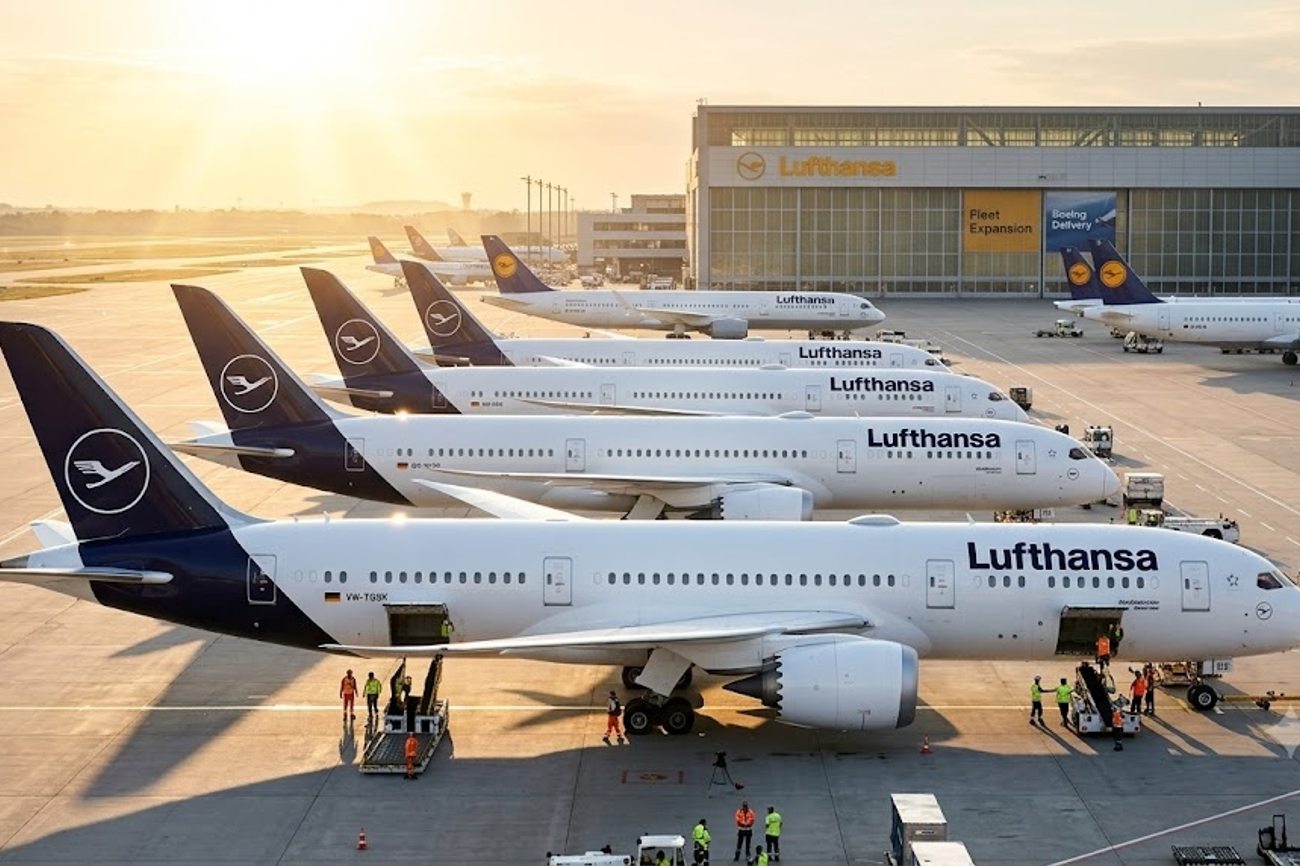
Image generated by AI
While most travelers only notice the seat pitch or the meal options, the real battle for European airspace is happening in the fleet ledger, where a single aircraft choice can shift the economics of an entire region. Lufthansa is currently executing a high-stakes pivot, exercising options for 20 Boeing 737 MAX 10 aircraft in a move that signals a strategic shift away from its long-standing reliance on a predominantly Airbus narrow-body fleet.
The Shift Toward High-Capacity Narrow-Bodies
The aviation landscape in Germany is undergoing a calculated transformation. Lufthansa Group has committed to an investment with a list value of approximately US$3.4 billion to secure these 20 additional Boeing 737 MAX 10s. This is not a sudden impulse but a conversion of purchase rights originally established during a 2023 agreement for 40 Boeing 737 MAX 8 aircraft.
For the frequent traveler moving through Frankfurt or Munich, this change won't be immediate. These planes are slated to enter service in the early 2030s. However, the intent is clear: Lufthansa is preparing for a future where airport slots are more precious than ever. By opting for the MAX 10—the largest variant in the 737 MAX family—the airline can move more passengers per takeoff and landing without needing additional permission from airport authorities. This is a tactical necessity in the congested skies of Western Europe, where increasing flight frequency is often impossible due to strict slot regulations.
What Makes the MAX 10 Strategy Different
The decision to integrate the Boeing 737 MAX 10 is less about adding planes and more about optimizing the "unit cost" of every seat sold. From an operational standpoint, the numbers are striking. Lufthansa Group expects these aircraft to slash fuel consumption by roughly 30 per cent when compared to the older models they will replace. Furthermore, the increased seating capacity is projected to drive unit costs down by approximately 20 per cent.
This transition marks a departure from the group's historical lean toward the Airbus A320 family. By diversifying its narrow-body portfolio, Lufthansa gains leverage and flexibility. The MAX 10 allows the carrier to scale its capacity on high-demand short- and medium-haul routes while maintaining the operational commonality of the Boeing family. It is a move toward "smarter" capacity—carrying more people using less fuel, which is the only way to maintain profitability in an era of volatile energy prices and aggressive environmental mandates.
Visitor Insider Tips
Navigating the Lufthansa network during this transition requires a bit of local knowledge to ensure you aren't stuck in the least comfortable part of the cabin or stranded during a connection.
- The Hub Strategy: If you are basing yourself in Germany, remember that Frankfurt (FRA) is the primary global gateway, but Munich (MUC) is often far more efficient for arrivals and departures. When booking flights that may eventually be served by these high-capacity aircraft, try to secure "preferred" seating early; as planes get larger, the distance from the back of the plane to the exit increases significantly.
- Timing the Transit: To avoid the crushing crowds at the Frankfurt terminal, aim for flights departing between 10:00 AM and 1:00 PM. The early morning rush (6:00 AM to 9:00 AM) is when the majority of European business commuters clog the security lines.
- Local Transport Hacks: Avoid expensive airport taxis. In Frankfurt, the S-Bahn (suburban train) is the fastest way to reach the city center. In Munich, the U-Bahn and S-Bahn are impeccably timed. Always buy a day ticket if you plan more than two trips; it is significantly cheaper than individual fares.
- Regional Specialties: When laying over in Munich, skip the airport food and head to a local Brauhaus for Schweinshaxe (roasted pork knuckle). In Frankfurt, try the Grüne Soße (green sauce) with eggs and potatoes—a local staple that provides a refreshing break from airport dining.
- Booking Logistics: For the best rates and most up-to-date flight information, use the official Lufthansa website or check the Visit Germany portal for regional travel inspiration.
Cultural and Environmental Context
The modernization of the Lufthansa fleet is not happening in a vacuum; it is a response to a cultural shift in Europe regarding "flight shame" (Flugscham) and the urgent push for decarbonization. The European Union has some of the strictest environmental targets in the world, and the aviation sector is under immense pressure to reduce its carbon footprint.
By replacing older Airbus A320 family aircraft with models that offer a 30 per cent reduction in fuel burn, Lufthansa is attempting to align its business model with the environmental expectations of the modern European traveler. However, this creates a tension between growth and sustainability. While the MAX 10 is more efficient per seat, the overall goal of increasing capacity means more passengers in the air.
Furthermore, this fleet renewal is part of a massive industrial overhaul. Lufthansa expects to take delivery of more than 250 new aircraft by 2035. This scale of investment impacts local employment in maintenance and engineering hubs across Germany. The shift toward newer technology also requires a massive retraining effort for pilots and ground crews, moving from legacy systems to the digitized cockpits of the 2030s. For the local community, this means the aviation sector remains a primary economic engine, but one that must evolve or risk obsolescence. For those interested in the broader impact of aviation on global heritage and environment, the UNESCO World Heritage Centre often highlights how increased tourism accessibility can both preserve and threaten sensitive cultural sites.
FAQ: Visiting Germany 2025
What is the best time to visit Germany? May to September offers the best weather for exploring cities and the countryside. December is also highly recommended for the traditional Christmas Markets, though it is significantly colder and more crowded in major hubs like Munich and Berlin.
Do I need a visa to enter Germany? Citizens of the US, Canada, and Australia typically do not need a visa for short stays (up to 90 days) under the Schengen Agreement. However, always check the latest ETIAS requirements before booking your travel for 2025.
How do I get from Frankfurt Airport to the city center? The most efficient method is the S-Bahn (Lines S8 or S9), which runs frequently and takes about 15 minutes to reach the Hauptbahnhof (Central Station). Tickets can be purchased at the DB (Deutsche Bahn) kiosks.
Is it safe for solo travelers? Yes, Germany is exceptionally safe for solo travelers. Public transport is reliable, and major cities are walkable. Standard urban precautions apply, but violent crime rates are very low compared to other global hubs.
The sky over Europe is getting more crowded, but the planes are getting smarter.
Related Travel Guides
Disclaimer
This article is for informational and educational purposes only. It does not constitute legal, financial, or professional advice. While we strive to provide accurate and up-to-date information, travel policies, regulations, and conditions change rapidly. Always verify information with official sources before making travel decisions. Nomad Lawyer makes no representations about the accuracy, reliability, completeness, or suitability of the information provided. Readers should consult qualified professionals for advice specific to their circumstances. The views expressed in this article are those of the author and do not necessarily reflect the views of Nomad Lawyer.
Raushan Kumar
Founder & Lead Developer
Full-stack developer with 11+ years of experience and a passionate traveller. Raushan built Nomad Lawyer from the ground up with a vision to create the best travel and law experience on the web.
Learn more about our team →