
Germany Issues 2026 Travel Advisory for Poland, France, and Netherlands Amid Border Security Shifts
Germany's foreign office has released updated travel warnings for Poland, France, the Netherlands, Spain, and Italy, citing intensified border controls, terrorism threats, and new legal restrictions on photography.

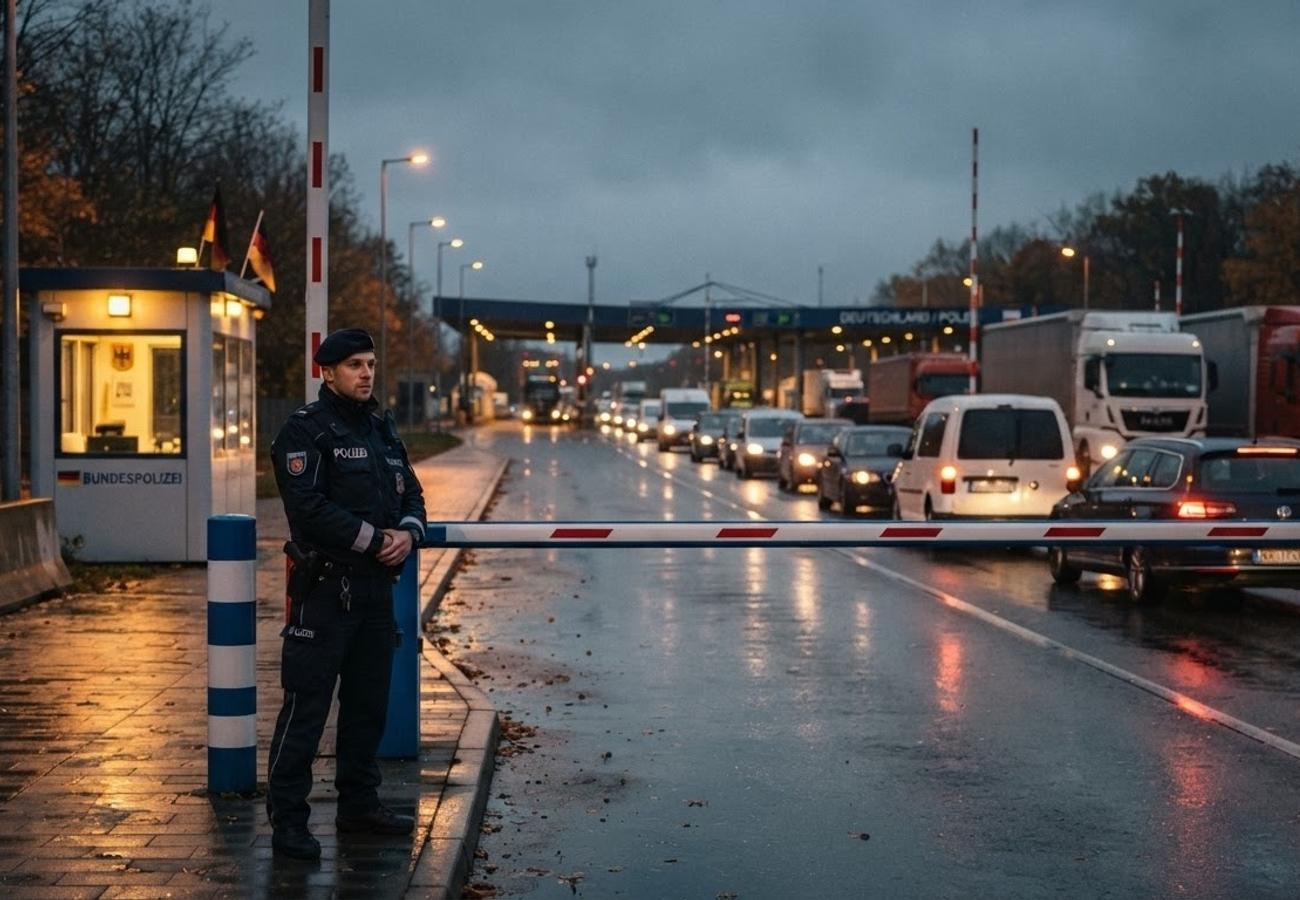
Image generated by AI
Germany’s foreign office has issued urgent updates for citizens traveling to Poland, France, the Netherlands, Spain, and Italy. The advisories focus on intensified border controls, heightened security threats, and specific legal restrictions that could lead to detention or fines.
The updated guidance does not prohibit travel but warns of shifting conditions across the Schengen Area. Travelers are urged to strictly adhere to local regulations and ensure all travel documentation is current to avoid prolonged detentions at checkpoints.
Poland: Border Controls and Legal Restrictions
Poland is a primary focus of the advisory due to ongoing security measures and new legislative bans.
Border Logistics and Legal Risks Internal border controls between Germany and Poland have been active since July 2025. These checks are applied flexibly based on the current security climate, often resulting in significant traffic delays.
A critical warning has been issued regarding "ride-sharing" with strangers. Under Polish law, assisting the illegal entry or transit of individuals is a serious criminal offense punishable by heavy fines and prison sentences.
The 2025 Photography Ban Since April 2025, Poland has implemented a strict ban on photographing military and strategic infrastructure. While signage is required at these sites, the foreign office warns that notices may be obscured or difficult to interpret. Prohibited locations include:
- Military installations and strategic reserve depots
- Bridges, viaducts, and tunnels
- Specific seaports and communication infrastructure
- Facilities belonging to the National Bank of Poland and Bank Gospodarstwa Krajowego
Violators face equipment confiscation, fines, or imprisonment.
Crime and Safety Alerts
- Urban Areas: High risk of pickpocketing in tourist centers and public transport.
- Nightlife: Reports of date rape drugs and credit card fraud in bars and clubs.
- Road Safety: Criminals may stage vehicle breakdowns or accidents to rob travelers. Cargo theft remains a high risk for truck drivers, specifically via the cutting of vehicle tarpaulins.
Eastern Border Status
- Ukraine: Crossings remain open but face heavy congestion due to high traffic volumes since 2022.
- Belarus: Severe restrictions exist; only Terespol, Bobrowniki, and Kuźnica remain open for passenger traffic (subject to coach restrictions).
- Kaliningrad: Significant delays at Mamonowo/Grzechotki and Bagrationowsk/Bezledy, with waiting times potentially reaching 24 hours.
France: High-Level Security and Fraud Alerts
France remains under the highest terrorism alert level via the Vigipirate system.
Security Presence Travelers should expect a heavy security footprint in Paris and other major cities, including:
- Military patrols in public squares and tourist hubs.
- Rigorous baggage inspections at museums, shopping centers, and railway stations.
- Increased vigilance at sporting events and large gatherings.
Infrastructure and Fraud A sophisticated toll fraud scheme is currently targeting motorists. Travelers have reported receiving fake SMS and emails claiming unpaid motorway tolls to steal credit card data.
Additionally, the advisory warns of organized theft at motorway rest areas in southern France. Motorhome and caravan users are strongly advised to use guarded campsites rather than isolated rest stops.
Netherlands: Terrorism and Fraud Risks
The Netherlands maintains a "substantial" terrorism threat level, meaning an attack is considered a realistic possibility.
Key Risk Areas
- Target Zones: High vigilance is required at airports, train stations, and major public events.
- Tourist Scams: In Amsterdam, fraudsters frequently target visitors by claiming theft or travel emergencies to solicit money.
- Drug Trafficking: Travelers are warned never to transport packages or items for unknown individuals due to the high risk of unwitting drug smuggling.
Summary of Security Risks by Country
| Country | Primary Security Concern | Legal/Administrative Risk | Transport Impact |
|---|---|---|---|
| Poland | Petty crime & Cargo theft | Photography ban (since April 2025) | Border delays since July 2025 |
| France | Terrorism (Vigipirate) | Toll payment SMS fraud | Strike-related disruptions |
| Netherlands | Substantial terror threat | Drug smuggling (third-party transport) | High-density tourist scams |
Why This Matters: Industry Analysis
From a logistical perspective, these advisories signal a fragmentation of the "borderless" Schengen experience. For travelers, the real impact is the unpredictability of transit times. The flexibility of Polish border checks means a trip that normally takes two hours could suddenly take six.
The photography ban in Poland is particularly perilous for digital nomads and travel bloggers. Because the list of restricted sites is "not complete," the legal ambiguity places the burden of risk entirely on the traveler. In a climate of heightened national security, a simple photo of a bridge or tunnel could be interpreted as espionage or a security breach.
Furthermore, the rise of targeted digital fraud (like the French toll scams) indicates that criminals are moving away from simple pickpocketing toward social engineering. Travelers can no longer rely solely on physical security; digital hygiene is now a requirement for safe European transit.
Forward Outlook
Expect continued "temporary" border reinstatements across the EU through 2026 as nations prioritize national security over seamless transit. Travelers should anticipate a permanent increase in identity checks and a lower tolerance for documentation errors. The trend toward "strategic site" restrictions suggests that more European nations may follow Poland's lead in criminalizing the photography of infrastructure.
Safe transit now requires a combination of legal awareness and digital vigilance.
Related Travel Guides
Disclaimer
This article is for informational and educational purposes only. It does not constitute legal, financial, or professional advice. While we strive to provide accurate and up-to-date information, travel policies, regulations, and conditions change rapidly. Always verify information with official sources before making travel decisions. Nomad Lawyer makes no representations about the accuracy, reliability, completeness, or suitability of the information provided. Readers should consult qualified professionals for advice specific to their circumstances. The views expressed in this article are those of the author and do not necessarily reflect the views of Nomad Lawyer.
Raushan Kumar
Founder & Lead Developer
Full-stack developer with 11+ years of experience and a passionate traveller. Raushan built Nomad Lawyer from the ground up with a vision to create the best travel and law experience on the web.
Learn more about our team →