
Germany Tourism Push 2026: Ryanair Joins BTW Association Calling for Lower Aviation Taxes
Ryanair joins Germany's Federal Association of the Tourism Industry (BTW) to campaign against high airport taxes and stimulate regional travel recovery in 2026.

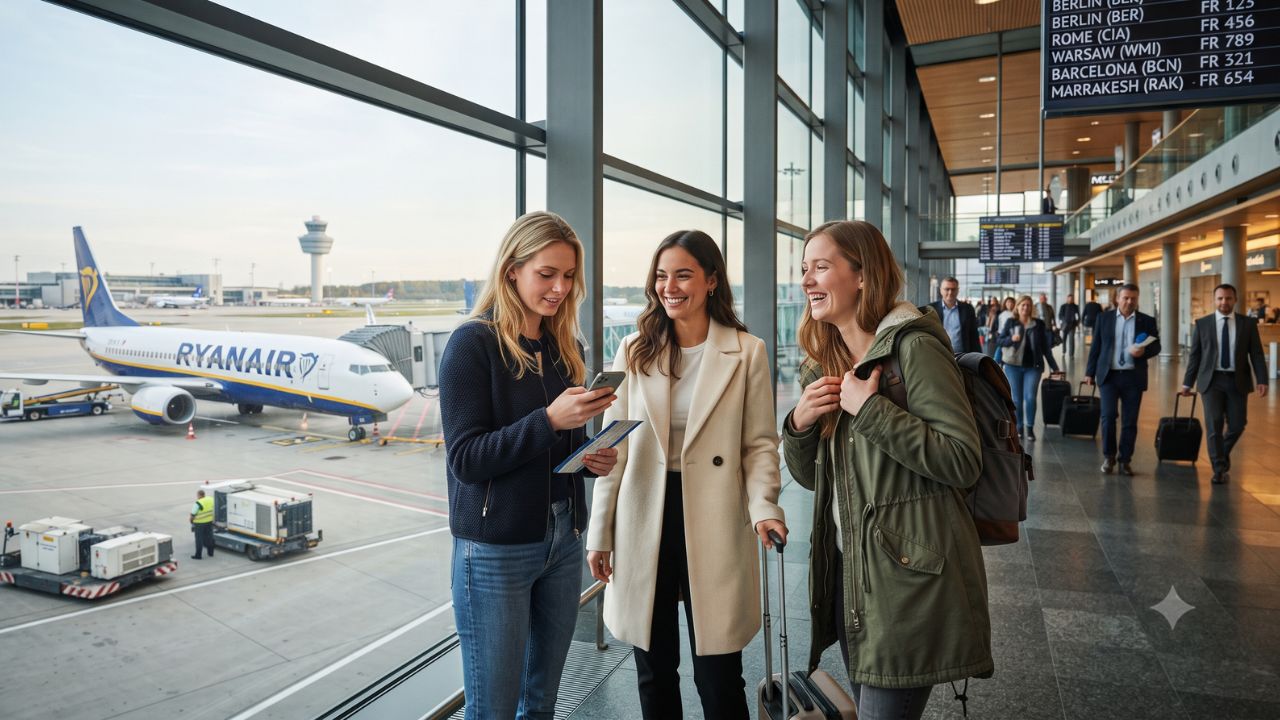
With Germany's aviation recovery lagging at just 89% of pre-pandemic capacity, Europe's largest budget carrier has formed an unprecedented alliance with the nation's tourism leadership to challenge rising state aviation taxes. By officially joining the Federal Association of the German Tourism Industry (BTW), Ryanair is shifting its strategy from public disputes toward institutional reform, aiming to lower passenger access charges and revitalize regional German destinations.
The formal partnership brings low-cost aviation directly into national policy debates across Berlin. While competing European markets such as Italy, Poland, Sweden, Morocco, Albania, and Slovakia have lowered aviation fees and restructured airport levies to accelerate passenger growth, high security charges, air traffic control tariffs, and national flight taxes have constrained flight availability across secondary German airfields.
The German Aviation Cost Debate: Capacity and Regional Impact
Germany remains one of the continent's most significant travel economies, yet high regulatory costs continue to suppress point-to-point European flight routes compared to neighboring countries.
| European Country Market | Policy Approach to Aviation Fees | Air Capacity Recovery Benchmark | Low-Cost Carrier Expansion Trend |
|---|---|---|---|
| Germany | High state aviation taxes, security levies & ATC fees | ~89% of pre-pandemic volume (Weakest in EU) | Capacity shifting to lower-cost European markets |
| Italy | Regional airport tax incentives & municipal reductions | Exceeding 100% pre-pandemic traffic | Rapid base expansion across secondary regions |
| Poland & Slovakia | Competitive regional airport charging structures | Strong double-digit international growth | Hub growth in Warsaw, Krakow, and Bratislava |
| Sweden & Albania | Tax abolitions and aggressive airport fee cuts | Fast-growing European leisure corridors | Surging direct point-to-point connections |
| Morocco | Strategic Open Skies agreements & fee incentives | Record international tourist arrivals | Major route additions connecting European hubs |
According to official statements from Ryanair Corporate, Germany's high state-imposed fees discourage airlines from basing new aircraft and launching routes into regional hubs like Memmingen, Nuremberg, Cologne, and Leipzig. Marcel Pouchain Meyer, Ryanair Head of Communications DACH, emphasized that while Germany should represent one of Europe's premier aviation and tourism centers, disproportionate airport charges and taxes continue to restrict low-fare options for budget-conscious international travelers.
Sven Liebert, Secretary-General of the Federal Association of the German Tourism Industry (BTW), noted that air connections represent fundamental travel infrastructure. High access costs weaken hotels, restaurants, cultural festivals, and regional businesses that rely on inbound holidaymakers, reinforcing the association's commitment to pushing for competitive policies that support mobility rather than taxing air routes out of the market.
Promoted alongside the German National Tourist Board, the initiative seeks to restore flight frequencies to historical regions, fairytale castles along the Rhine, Bavarian alpine lakes, and coastal destinations across the Baltic Sea.
What Makes Germany's Regional Transit Unique
Beyond major hubs like Frankfurt and Munich, Germany possesses an extensive network of regional airports seamlessly linked to the Deutsche Bahn national rail system. Flying into secondary gateways such as Memmingen (Allgäu Airport) or Karlsruhe/Baden-Baden allows travelers to land directly at the doorstep of the Black Forest or Bavarian Alps without navigating congested metropolitan terminals.
At regional German airports, customs screening, security lanes, and baggage collection operate swiftly, often taking less than twenty minutes from touchdown to platform. These regional connection points provide affordable gateways to cultural landmarks, medieval town centers, and wine-growing valleys that remain uncrowded compared to traditional urban tourist trails.
Visitor Insider Tips
- Use Secondary Regional Gateways for Alpine Access: To visit Neuschwanstein Castle or the Bavarian Alps, book low-cost flights into Memmingen (Allgäu Airport) rather than Munich; dedicated express coaches connect the terminal directly to Munich Central Station and alpine hiking bases.
- Pair Regional Flights with the Deutschland-Ticket: After arriving at a regional German airport, use the nationwide €49 monthly Deutschland-Ticket on all regional trains (RB, RE), S-Bahn networks, and city trams for unlimited budget transport across the country.
- Book Autumn Wine Festivals Early: In regions like Baden-Württemberg, the Palatinate, and the Moselle Valley, September and October harvest festivals draw strong local crowds. Secure regional hotel accommodations and train passes several weeks in advance.
- Check Departure Tax Impact on Airfares: Flight departures originating in Germany carry higher state departure taxes than those originating in neighboring countries like Poland or Austria; planning open-jaw multi-country itineraries can optimize total airfare costs.
- Validate Regional Bus Transfers Before Landing: Small regional airports like Frankfurt-Hahn or Weeze rely on scheduled coach shuttles to connect to nearest major cities (Koblenz, Mainz, Düsseldorf); check the bus schedules online to coordinate arrival times.
Cultural and Environmental Context
The balance between aviation access and environmental responsibility remains central to Germany's transport strategy. While Germany maintains stringent environmental regulations and aggressive railway investments, regional tourism bodies argue that regional aviation and high-speed rail must work cooperatively rather than in opposition.
Direct point-to-point air services into secondary regions distribute tourist foot traffic away from heavily congested urban centers, supporting family-operated guesthouses, artisan bakeries, and regional cultural museums in rural communities. Modern airline fleets operating on these routes increasingly deploy fuel-efficient aircraft like the Boeing 737-8200 'Gamechanger', which reduces fuel burn by 16% and lowers noise emissions by 40%, aligning regional access with environmental goals.
FAQ: Visiting Germany via Regional Air Routes 2026
Why are flight prices often higher departing from Germany?
Germany levies higher state aviation taxes, security fees, and air traffic control charges compared to other European nations, which are factored directly into departure airfares.
What percentage of pre-pandemic aviation capacity has Germany recovered?
Germany's air transport capacity has reached approximately 89% of pre-pandemic levels in 2026, representing one of the slowest recoveries in Europe.
Which secondary German airports offer good budget flight connections?
Key regional gateways include Memmingen (Allgäu), Cologne Bonn, Nuremberg, Karlsruhe/Baden-Baden, and Leipzig/Halle.
Can I travel across Germany using public transit after arriving at a regional airport?
Yes. Regional airports offer direct bus connections to Deutsche Bahn stations, where regional trains and the nationwide Deutschland-Ticket provide seamless travel across all 16 federal states.
Related Travel Guides
- Mobility Surge: Cyprus Outbound Journeys Pass Two Million Benchmark
- Iceland Dominates 2026 Global Peace Index: Why New Zealand, Switzerland, and Europe Lead World Safety Rankings
- Nigeria's ₦10bn Port Harcourt Tourist Beach: USA, UK, and Ghana Tourists Set to Flock as Air Peace and British Airways Prepare for Tourism Boom
Disclaimer
This article is for informational and educational purposes only. It does not constitute legal, financial, or professional advice. While we strive to provide accurate and up-to-date information, travel policies, regulations, and conditions change rapidly. Always verify information with official sources before making travel decisions. Nomad Lawyer makes no representations about the accuracy, reliability, completeness, or suitability of the information provided. Readers should consult qualified professionals for advice specific to their circumstances. The views expressed in this article are those of the author and do not necessarily reflect the views of Nomad Lawyer.
Raushan Kumar
Founder & Lead Developer
Full-stack developer with 11+ years of experience and a passionate traveller. Raushan built Nomad Lawyer from the ground up with a vision to create the best travel and law experience on the web.
Learn more about our team →