
Germany Dealing Immigration: How Regional Offices Shape Relocation
Germany's fragmented immigration system creates vastly different processing experiences depending on where you settle. In 2026, regional variation in office capacity and procedures significantly impacts relocation timelines for non-EU nationals.

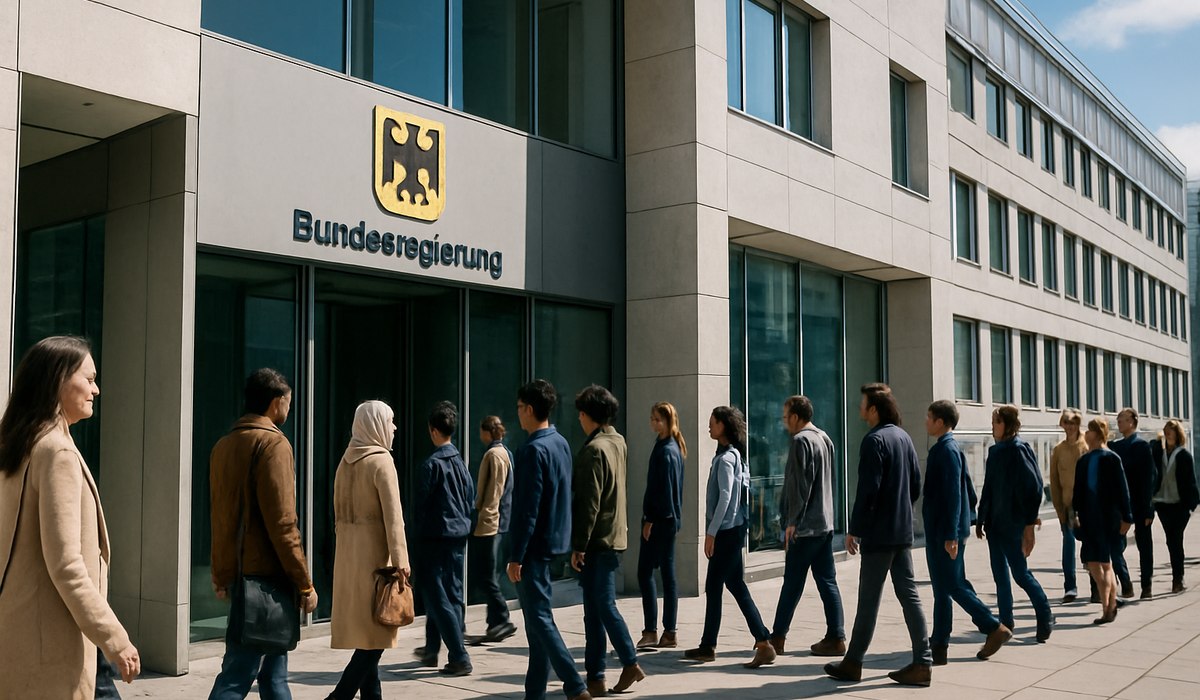
Image generated by AI
Germany's Immigration Offices: A Regional Lottery for Relocation
Germany's fragmented immigration system creates vastly different processing experiences depending on where you settle. The local foreigners' authorities, known as Ausländerbehörden, control residence permits, extensions, work authorizations, and status changes for non-EU nationals. However, your timeline and relocation predictability depend heavily on which German city or town becomes your destination. Approximately 550 local immigration offices operate across the country, each funded and staffed independently by states and municipalities. This decentralized structure means that dealing with Germany's immigration offices in Berlin differs dramatically from the experience in smaller towns—sometimes by months.
How Germany's Immigration System Is Structured
Germany's immigration administration operates across federal, state, and municipal levels, creating a complex patchwork for those navigating relocation. While German embassies and consulates abroad handle entry visas, the local Ausländerbehörden inside Germany manage residence permits, renewals, work permissions, permanent residence, and naturalization intake.
These offices work under federal law but receive funding and staffing from regional governments. This creates significant variation in service quality, appointment availability, and processing speed across different municipalities. Large metropolitan areas like Berlin, Frankfurt, Hamburg, and Munich handle exponentially higher application volumes than rural districts. The consequence: dealing with Germany's immigration offices in major cities often means months-long waiting periods, while smaller communities may process identical applications in weeks.
Each Ausländerbehörde coordinates with the Federal Printing Office for residence cards and collaborates with labor authorities on work permissions. Understanding this institutional structure is essential for realistic relocation planning and timeline expectations.
Why Regional Variation Matters for Your Relocation
The biggest variable in Germany relocation isn't legal requirements—it's administrative capacity. Two non-EU nationals with identical qualifications and documentation may face completely different timelines based solely on their chosen location.
In busy metropolitan areas, securing an appointment at the immigration office can take three to six months or longer. After your appointment, the physical residence card requires additional processing through the Federal Printing Office, potentially adding several more weeks. Cumulative waiting periods often stretch to six months or beyond in high-demand cities.
Conversely, less congested regions frequently deliver appointments within weeks and issue residence cards within two to three months total. This disparity means that choosing where to settle in Germany directly impacts your ability to work, travel internationally, and complete critical administrative steps. For employers and relocating professionals, understanding regional office capacity becomes a strategic relocation consideration rather than a minor detail.
What Local Foreigners' Authorities Actually Handle
The Ausländerbehörden manages a comprehensive range of immigration functions that directly affect your daily life in Germany. These offices issue initial residence permits after arrival, process renewals and status changes, register family members, document EU family rights, and handle naturalization appointments in many states.
When you arrive in Germany, your first immigration task involves registering with the local Ausländerbehörde in your municipality. This office determines your residence permit conditions, work authorization scope, and eligibility for specific employment sectors. If your circumstances change—switching employers, relocating within Germany, or extending your stay—you return to the same office for approval.
The authority also manages documentation for family reunification, validates educational credentials for certain purposes, and coordinates with other agencies. In some states, the immigration office handles naturalization applications, the final step toward German citizenship. Understanding which functions your local office handles prevents wasted visits and clarifies which other agencies you may need to contact separately. Always check your specific municipality's website for the precise scope of services they provide.
Navigating Big Cities vs. Smaller Towns
Your relocation destination dramatically affects your immigration office experience. Metropolitan centers and smaller communities operate under fundamentally different constraints.
Large Cities (Berlin, Munich, Frankfurt, Hamburg, Cologne):
- Appointment waits: 3–6 months or longer
- High case complexity and specialized departments
- Online portals available but often overwhelmed
- Staff experienced with international cases
- Multiple offices serving different neighborhoods
- Peak times: September–October and January (visa-year changes)
Medium Cities (populations 200,000–500,000):
- Appointment waits: 4–8 weeks typically
- More manageable case volumes
- Increasing digital services
- Still-developing appointment systems
- English-speaking staff availability varies
Smaller Towns and Rural Districts:
- Appointment waits: 1–3 weeks common
- Direct communication often possible
- Paper-based workflows still prevalent
- Limited office hours
- Fewer staff but faster processing
Strategic relocation planning increasingly considers immigration office capacity as a primary factor. Some professionals and digital nomads deliberately choose medium-sized German cities to avoid major metropolitan backlogs while maintaining career opportunities and international connectivity.
Key Facts: Germany's Immigration Office Reality in 2026
| Factor | Large Cities | Medium Cities | Small Towns |
|---|---|---|---|
| Average appointment wait | 3–6 months | 4–8 weeks | 1–3 weeks |
| Residence card issuance | 4–6 weeks post-appointment | 3–4 weeks | 2–3 weeks |
| Online portal availability | Yes, often slow | Emerging | Limited |
| English language support | Usually available | Sometimes | Inconsistent |
| Staff specialization | High (dedicated departments) | Moderate | Limited |
| Cumulative timeline (arrival to card) | 6+ months | 3–4 months | 4–8 weeks |
| Peak congestion season | Year-round, worst Sept–Oct | Fall, spring | Seasonal |
| Digitalization level | Advanced, underfunded | Developing | Basic |
What This Means for Travelers and Relocators
Germany dealing immigration offices requires strategic planning and realistic expectations. Here's what you need to know:
-
Plan for extended timelines in major cities. If relocating to Berlin, Munich, or Frankfurt, budget 5–7 months from initial contact to final residence card arrival. Submit applications immediately upon arrival and monitor your local office's specific procedures.
-
Register early in smaller cities. Smaller towns offer faster processing but limited office hours. Contact your local municipality before arrival to understand their specific appointment booking system and required documentation.
-
Prepare documentation thoroughly. Incomplete applications trigger delays regardless of location. Gather all documents (employment contract, housing proof, financial statements, health insurance confirmation) before your appointment to avoid processing extensions.
-
Monitor digital portals actively. Even basic municipal portals often notify you of document requests or decisions. Check weekly and respond immediately to any communication from your Ausländerbehörde.
-
Consider location strategically. If immigration office speed significantly impacts your relocation timeline, evaluate working in smaller cities or suburban areas rather than major metropolitan centers. The quality of life and cost advantages may outweigh commuting considerations.
FAQ: Germany Dealing Immigration Offices
How do I book an appointment at my local Ausländerbehörde? Contact your local municipality's immigration office directly through their website or phone. Most offer online appointment systems, though some still require phone calls or in-person registration. Check your specific Ausländerbehörde's website for their exact booking method, as procedures vary by location.
What documents do I need for a residence permit appointment? Standard requirements include a valid passport, completed application form (available from the office), employment contract or student enrollment confirmation, proof of housing, health insurance certificate, and proof of financial means. Each municipality may add specific requirements—verify yours beforehand.
Can I travel internationally while my residence permit is being processed? This depends on your current status and documentation. If you hold a valid residence permit, you can travel freely. During processing, traveling without the physical card presents risks. Consult your Ausländerbehörde directly before international trips during application processing.
How often do I need to renew my residence permit? Residence permits typically require renewal after one, two, or five years depending on your visa category and
Disclaimer
This article is for informational and educational purposes only. It does not constitute legal, financial, or professional advice. While we strive to provide accurate and up-to-date information, travel policies, regulations, and conditions change rapidly. Always verify information with official sources before making travel decisions. Nomad Lawyer makes no representations about the accuracy, reliability, completeness, or suitability of the information provided. Readers should consult qualified professionals for advice specific to their circumstances. The views expressed in this article are those of the author and do not necessarily reflect the views of Nomad Lawyer.
Raushan Kumar
Founder & Lead Developer
Full-stack developer with 11+ years of experience and a passionate traveller. Raushan built Nomad Lawyer from the ground up with a vision to create the best travel and law experience on the web.
Learn more about our team →