
Germany Aims Boost Aviation Sector With Ambitious 15-Year Strategy
Germany launches comprehensive 15-year aviation strategy in 2026 targeting sustainable fuel adoption, cost reduction, and technological innovation to strengthen its competitive position in European air travel and address climate concerns.

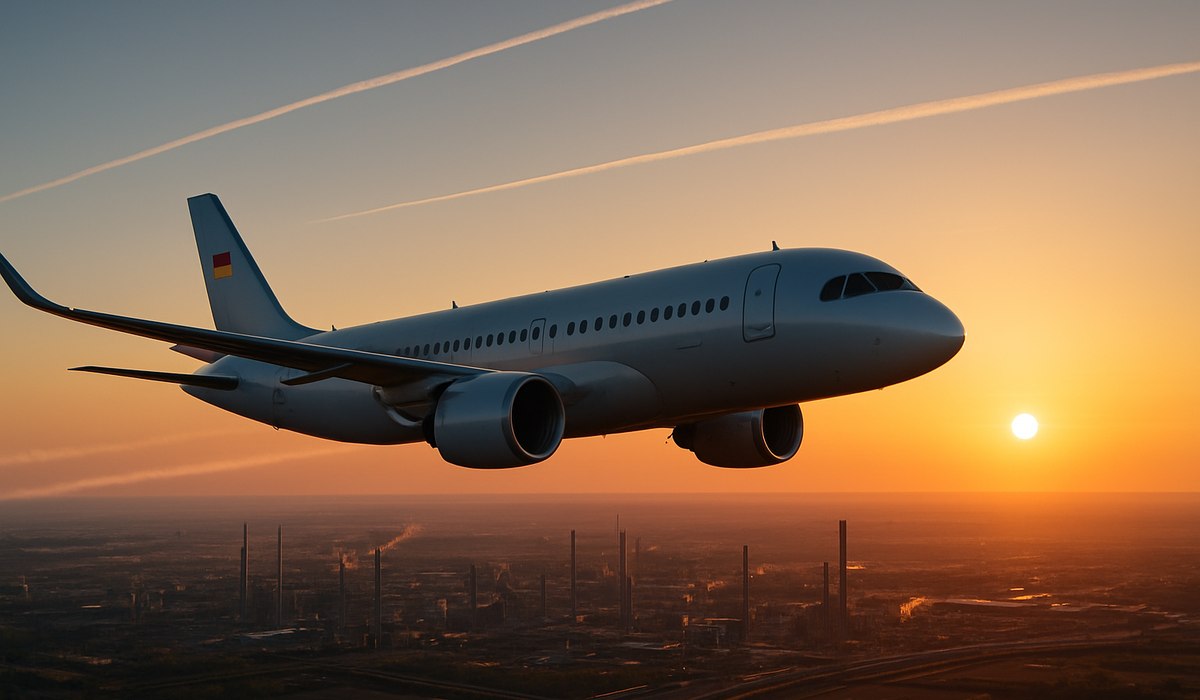
Image generated by AI
Germany Launches Historic 15-Year Aviation Initiative
Germany has unveiled an ambitious 15-year strategy designed to elevate its aviation sector as a global leader in sustainable, safe, and economically competitive air travel. Announced on June 11, 2026, this comprehensive roadmap prioritizes the acceleration of sustainable aviation fuel (SAF) adoption, significant cost reduction measures, and cutting-edge technological innovation. The initiative represents a pivotal moment for the German aviation industry, positioning the nation to tackle mounting climate pressures while maintaining its competitive edge within the broader European aviation landscape. The strategy encompasses both civilian and military applications, recognizing the interconnected nature of modern aviation security and environmental stewardship.
Germany's Strategic Aviation Roadmap: What's Planned
The German aviation sector strategy operates on five foundational pillars designed to achieve transformative growth over the next 15 years. First, economic competitiveness receives priority through streamlined operational processes and reduced bureaucratic overhead. Second, technological advancement forms the backbone of innovation, with dedicated funding for research institutions and private aerospace companies. Third, the strategy mandates aggressive timelines for transitioning commercial fleets toward sustainable fuel alternatives, with interim targets established for 2030 and 2035.
Military and civil security applications represent the fourth pillar, ensuring that Germany's aviation infrastructure remains resilient against emerging threats. Finally, climate resilience constitutes the fifth element, directly addressing EU environmental mandates and international carbon reduction commitments. Industry analysts anticipate that this multifaceted approach will generate approximately 50,000 new skilled positions across manufacturing, maintenance, and research sectors throughout the strategy's duration. Airlines operating from German hubs, including Lufthansa Group carriers, expect substantial operational improvements and reduced fuel expenditure within five years of full implementation.
Sustainable Fuels and Environmental Commitments
Sustainable aviation fuel represents the cornerstone of Germany's environmental ambitions within this 15-year framework. The strategy mandates blending requirements that will increase progressively, starting at five percent SAF usage by 2028 and escalating toward 50 percent by 2035. Germany aims boost its domestic SAF production capacity through targeted investments in biofuel refineries and synthetic fuel manufacturing facilities.
The federal government has allocated €2 billion specifically for green aviation infrastructure development, including hydrogen fuel cell research for regional aircraft. Environmental commitments align directly with the European Union's "Fit for 55" legislation, which requires member states to reduce aviation emissions by 55 percent relative to 1990 baselines. German airports including Frankfurt, Munich, and Berlin will receive modernization funding to support alternative fuel handling and storage capabilities. These initiatives position Germany as a pioneer in decarbonizing European aviation while creating export opportunities for sustainable fuel technologies across international markets.
Economic and Technological Competitiveness Goals
Germany aims boost its technological standing within global aerospace manufacturing through this strategic initiative. The plan invests heavily in next-generation aircraft design, electric propulsion systems, and autonomous flight technologies. Research institutions including the German Aerospace Center (DLR) receive expanded budgets to accelerate development timelines for innovative solutions.
Cost reduction objectives target a 30 percent decrease in airline operational expenses within the 15-year period, primarily through fuel efficiency improvements and maintenance optimization. Lufthansa Group, Germany's flagship carrier network, expects to reduce per-seat kilometer costs substantially while maintaining service quality across all routes. Manufacturing competitiveness receives support through supply chain modernization and advanced robotics integration. The strategy recognizes that European airlines face intense competition from carriers in the Middle East and Asia, necessitating aggressive innovation and efficiency improvements to maintain market share in long-haul and intercontinental routes.
Impact on Airlines and Travel Connectivity
German-based carriers and regional airlines will experience significant operational transformations as this strategy unfolds. Lufthansa Group subsidiaries, including Lufthansa, Germanwings, and Eurowings, stand to benefit from reduced fuel costs and modernized fleet capabilities. Regional connectivity between tier-two cities and major hubs will improve through investment in more efficient turboprop aircraft and enhanced ground operations infrastructure.
Passengers traveling from German airports should expect improved onboard experiences, reduced flight delays attributable to maintenance optimization, and potentially lower ticket prices as airlines achieve cost savings. Connectivity to developing destinations in Eastern Europe, the Mediterranean, and North Africa will expand as German carriers leverage improved fuel economics to open new routes. The strategy supports continued growth at major German hubs while preventing market consolidation that might reduce travel options for consumers. By 2030, Germany aims boost passenger capacity by 25 percent while maintaining or reducing overall carbon emissions from aviation activities.
| Strategic Element | Timeline | Target Outcome | Investment Amount |
|---|---|---|---|
| Sustainable fuel blending mandate | 2028-2035 | 50% SAF adoption by 2035 | €2 billion |
| Fleet modernization programs | 2026-2031 | 35% fuel efficiency improvement | €3.5 billion |
| Research and development initiatives | 2026-2041 | 5 breakthrough technologies | €1.8 billion |
| Airport infrastructure upgrades | 2027-2032 | SAF handling capacity at 15 major hubs | €900 million |
| Workforce development programs | 2026-2041 | 50,000 new skilled positions | €1.2 billion |
| Hydrogen fuel research programs | 2026-2035 | Regional aircraft prototypes operational | €750 million |
What This Means for Travelers
This ambitious aviation strategy delivers meaningful benefits for passengers traveling within Germany and across Europe. Here's what you should know about the practical implications:
-
Expect Lower Ticket Prices: As airlines achieve operational cost reductions through fuel efficiency and maintenance improvements, competitive pricing pressures will likely translate to lower fares for economy passengers on competitive routes.
-
Improved On-Time Performance: Fleet modernization and maintenance optimization programs will reduce technical delays, enhancing overall travel reliability on German routes.
-
Enhanced Route Connectivity: New routes to underserved European destinations will emerge as airlines leverage improved fuel economics to open point-to-point services with smaller aircraft.
-
More Sustainable Travel Options: If environmental impact matters to your travel decisions, German carriers will offer increasingly carbon-neutral flight options through sustainable fuel initiatives.
-
Better Airport Experiences: Upgraded infrastructure at Frankfurt, Munich, and Berlin will improve passenger processing, reduce congestion, and enhance terminal facilities.
-
Career Opportunities for Aviation Professionals: If you're considering aviation industry careers, Germany will generate substantial employment demand across technical, operational, and administrative roles through 2041.
Frequently Asked Questions
How will this strategy affect ticket prices for transatlantic flights from German airports?
As German airlines achieve cost reductions estimated at 30 percent over 15 years, competitive pressures should drive lower prices on major transatlantic routes. However, prices remain subject to fuel price volatility, demand seasonality, and international competition from non-European carriers. Airlines will likely reinvest some savings into fleet modernization rather than reducing all margins.
When will sustainable aviation fuel be widely available on flights departing from Germany?
Progressive mandates require five percent SAF blending by 2028, with escalation to 50 percent by 2035. Most German-based carriers will offer SAF-blended flights starting in 2028, though the exact percentage varies by route and aircraft type. Check directly with airlines for specific sustainability certifications on your booking.
Which German airports will receive modernization funding first?
Frankfurt am Main, Munich, and Berlin Brandenburg airports receive priority infrastructure investment for sustainable fuel handling and storage. Regional airports in Cologne, Hamburg, and Düsseldorf will receive subsequent funding allocations beginning in 2028, with completion timelines extending through 2032.
Will smaller regional airlines benefit from this strategy?
Yes, regional carriers operating within Germany and Europe receive support through equipment subsidies, research partnerships, and workforce development programs. The strategy explicitly aims to prevent hub consolidation that would eliminate regional connectivity, ensuring smaller carriers
Disclaimer
This article is for informational and educational purposes only. It does not constitute legal, financial, or professional advice. While we strive to provide accurate and up-to-date information, travel policies, regulations, and conditions change rapidly. Always verify information with official sources before making travel decisions. Nomad Lawyer makes no representations about the accuracy, reliability, completeness, or suitability of the information provided. Readers should consult qualified professionals for advice specific to their circumstances. The views expressed in this article are those of the author and do not necessarily reflect the views of Nomad Lawyer.
Raushan Kumar
Founder & Lead Developer
Full-stack developer with 11+ years of experience and a passionate traveller. Raushan built Nomad Lawyer from the ground up with a vision to create the best travel and law experience on the web.
Learn more about our team →