
Georgia Ramen Udon Scene Rivals Major Culinary Capitals in 2026
Georgia's emerging noodle landscape showcases authentic hand-pulled ramen and udon that challenge established culinary destinations. Atlanta neighborhoods are becoming essential stops for noodle enthusiasts in 2026.

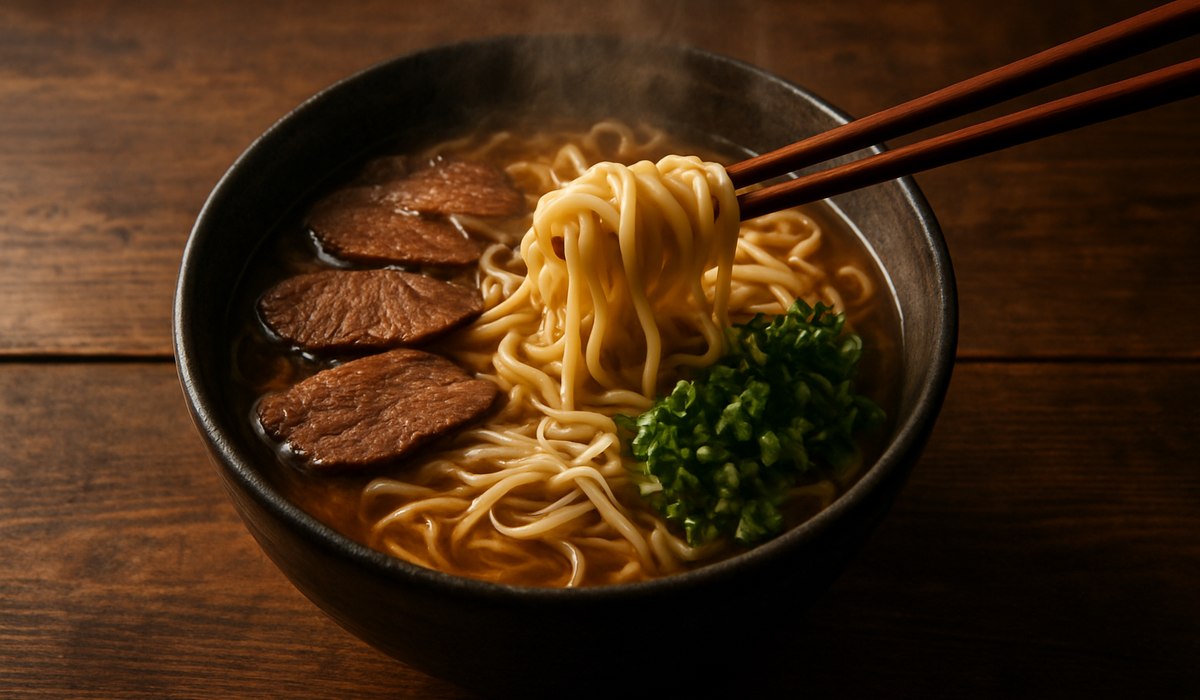
Image generated by AI
Georgia's Ramen and Udon Renaissance Is Reshaping the Southeast Noodle Landscape
Georgia's noodle scene is experiencing unprecedented growth, with authentic Georgia ramen udon restaurants emerging as serious contenders against established culinary capitals. While the Peach State built its reputation on barbecue and Southern comfort food, neighborhoods across Atlanta are transforming into destination-worthy noodle havens. From hand-pulled noodle houses in Decatur to Lao-inspired establishments in East Atlanta Village, the state now offers travelers compelling reasons to prioritize noodle exploration alongside traditional Georgia attractions.
This shift reflects a broader internationalization of Georgia's dining ecosystem. Chefs are investing in slow-simmered broths, house-made noodles, and regional cooking techniques that demand serious culinary commitment. For travelers seeking authentic Asian cuisine without coastal travel, Georgia delivers surprising depth.
Georgia's Emerging Noodle Culture
The foundation of Georgia's noodle renaissance rests on immigrant communities and innovative chefs who recognized an untapped market. Atlanta's walkable neighborhoods—particularly Decatur and East Atlanta Village—have become laboratories for noodle experimentation. Unlike tourist-focused noodle establishments, many Georgia restaurants prioritize authentic preparation over Instagram aesthetics.
Buford Highway, a major commercial corridor, hosts an incredible concentration of Asian restaurants serving everything from Vietnamese pho to Korean ramyeon. This clustering effect creates a "noodle corridor" where travelers can explore multiple cuisines within short distances. The accessibility factor cannot be overstated: quality noodle dishes are available in casual strip centers rather than exclusive fine-dining venues, making the experience democratized and approachable.
The convergence of diverse Asian communities has created natural cross-pollination. Chefs study traditional techniques while adapting them to local ingredient availability and customer preferences. This balance between authenticity and adaptation distinguishes Georgia's scene from purely traditional or purely Americanized interpretations.
The Best Ramen in Georgia
Decatur's Authentic Hand-Pulled Noodle House represents the pinnacle of Georgia ramen commitment. The restaurant's specialty—hand-pulled noodles crafted to order—demonstrates visible culinary skill that justifies premium pricing. Watching dough transform into springy strands provides theatrical appeal, but the actual product delivers substance.
Their beef noodle soup showcases slow-simmered broth with layered spice complexity and tender meat that falls apart naturally. The noodles themselves possess that elusive chewiness that machine-made versions cannot replicate. Customers can choose wide, ribbon-like strands or thinner cuts, each variation offering distinct textural experiences.
Beyond beef variations, the restaurant explores regional Chinese noodle traditions often absent from mainstream American Chinese restaurants. These dishes balance heat, aromatics, and umami in ways that reward careful tasting. The restaurant has built a devoted following without heavy social media marketing, suggesting quality drives patronage more than hype cycles.
Georgia ramen establishments increasingly feature house-made broths simmered for 12+ hours, artisanal toppings including nitro-poached eggs and homemade bamboo shoots, and regional variations spanning Tonkotsu, miso, and shoyu traditions. This technical sophistication indicates serious noodle investment across the state.
Where to Discover Georgia Ramen Udon Excellence
East Atlanta Village's So So Fed offers a completely distinct noodle philosophy centered on Lao-inspired comfort food and bold flavor profiles. Rather than traditional ramen, the restaurant champions glass noodles—translucent strands with gentle chew and slightly slippery texture. These appear in cold preparations featuring peanut sauce, refreshing vegetables like cucumber, and house-made chili crisp.
The glass noodle preparations demonstrate how Georgia ramen udon establishments extend beyond Japanese traditions. Lao cuisine provides umami depth through different mechanisms: fish sauce fermentation, aromatic herb combinations, and chili heat. Cold noodle dishes offer seasonal appeal, particularly during Georgia's humid summers.
So So Fed's menu encourages experimentation through sharing-focused portions and creative presentations. Dumplings—particularly soup dumplings—appear as essential complements to noodle dishes. This approach to noodle dining emphasizes variety and exploration rather than singular specialization.
Additional Atlanta venues continue expanding the Georgia ramen udon landscape. Korean establishments serving ramyeon offer spiced variations, Vietnamese pho houses provide aromatic broths with distinct character, and Thai restaurants feature pad thai and pad see ew preparations. This diversity means visitors can explore Asia's noodle traditions without leaving the metropolitan area.
Top Noodle Destinations in Atlanta
Decatur functions as Georgia's primary noodle destination, hosting multiple hand-pulled and hand-pulled noodle specialists within walking distance. The neighborhood's pedestrian-friendly design encourages restaurant hopping and comparative tasting. Established residents and visiting noodle enthusiasts treat Decatur as an essential Georgia culinary pilgrimage site.
East Atlanta Village appeals to travelers seeking creative noodle interpretations and contemporary Asian fusion. The neighborhood's artistic vibe attracts innovative chefs unafraid to challenge tradition. This creative energy has generated some of Georgia's most distinctive noodle experiences.
Buford Highway stretches across multiple counties and hosts the highest concentration of Asian restaurants statewide. A single afternoon can include Vietnamese, Korean, Chinese, Thai, and Japanese cuisine. Travelers should allocate at least two days to properly explore the corridor's noodle options.
Midtown Atlanta's restaurant concentration offers convenient access for business travelers and downtown visitors. While Midtown skews toward upscale interpretations, quality remains consistently strong. These restaurants typically showcase refined plating while maintaining flavor authenticity.
Essential Georgia Ramen Udon Travel Data
| Aspect | Details | Relevance to Travelers |
|---|---|---|
| Hand-Pulled Noodle Houses | Concentrated in Decatur; ~3-4 major establishments | Plan 2+ hour visits for observation + dining |
| Broth Simmering Duration | Premium establishments use 12-24 hour broths | Reserve for lunch/dinner; arrive hungry |
| Glass Noodle Specialization | Southeast Asian venues (Lao, Thai, Vietnamese) | Available year-round; cool dishes ideal summer travel |
| Ramen Variations Available | Tonkotsu, miso, shoyu, and regional styles | Multiple visits recommended for comprehensive tasting |
| Pricing Range | $12-$18 for specialty noodle bowls | Affordable compared to coastal culinary cities |
| Neighborhood Accessibility | Decatur, East Atlanta, Buford Highway, Midtown | All easily accessible via rideshare or limited public transit |
What This Means for Travelers
Georgia's emerging georgia ramen udon scene presents compelling reasons to extend Atlanta itineraries beyond traditional attractions. Consider these practical applications:
-
Allocate dedicated culinary days: Reserve full afternoons for noodle exploration rather than quick lunches. Hand-pulled noodle preparation takes 10-15 minutes; arriving at off-peak hours (2:30-5:00 PM) ensures unhurried experiences.
-
Prioritize Decatur for authenticity: Begin your Georgia ramen journey in Decatur where hand-pulled specialists operate. The neighborhood's walkability allows consecutive restaurant visits without vehicle transitions.
-
Explore comparative cuisine: Schedule East Atlanta Village sessions to experience Lao glass noodles and Southeast Asian variations. This approach reveals noodle diversity across Asian traditions rather than focusing exclusively on Japanese ramen.
-
Utilize Buford Highway strategically: Rather than random exploration, research specific restaurants along this corridor and create a logical route. The corridor spans significant distance; efficient navigation maximizes tasting opportunities.
-
Accommodate longer dining experiences: Premium noodle establishments operate on natural cooking timelines rather than fast-casual
Disclaimer
This article is for informational and educational purposes only. It does not constitute legal, financial, or professional advice. While we strive to provide accurate and up-to-date information, travel policies, regulations, and conditions change rapidly. Always verify information with official sources before making travel decisions. Nomad Lawyer makes no representations about the accuracy, reliability, completeness, or suitability of the information provided. Readers should consult qualified professionals for advice specific to their circumstances. The views expressed in this article are those of the author and do not necessarily reflect the views of Nomad Lawyer.
Kunal K Choudhary
Co-Founder & Contributor
A passionate traveller and tech enthusiast. Kunal contributes to the vision and growth of Nomad Lawyer, bringing fresh perspectives and driving the community forward.
Learn more about our team →