
Gen Z Drives Anti-Viral Travel Trends as St. George and Tacoma Rise
A new anti-viral travel trend is driving younger US travelers to look beyond algorithms toward emerging destinations like St. George and Tacoma.

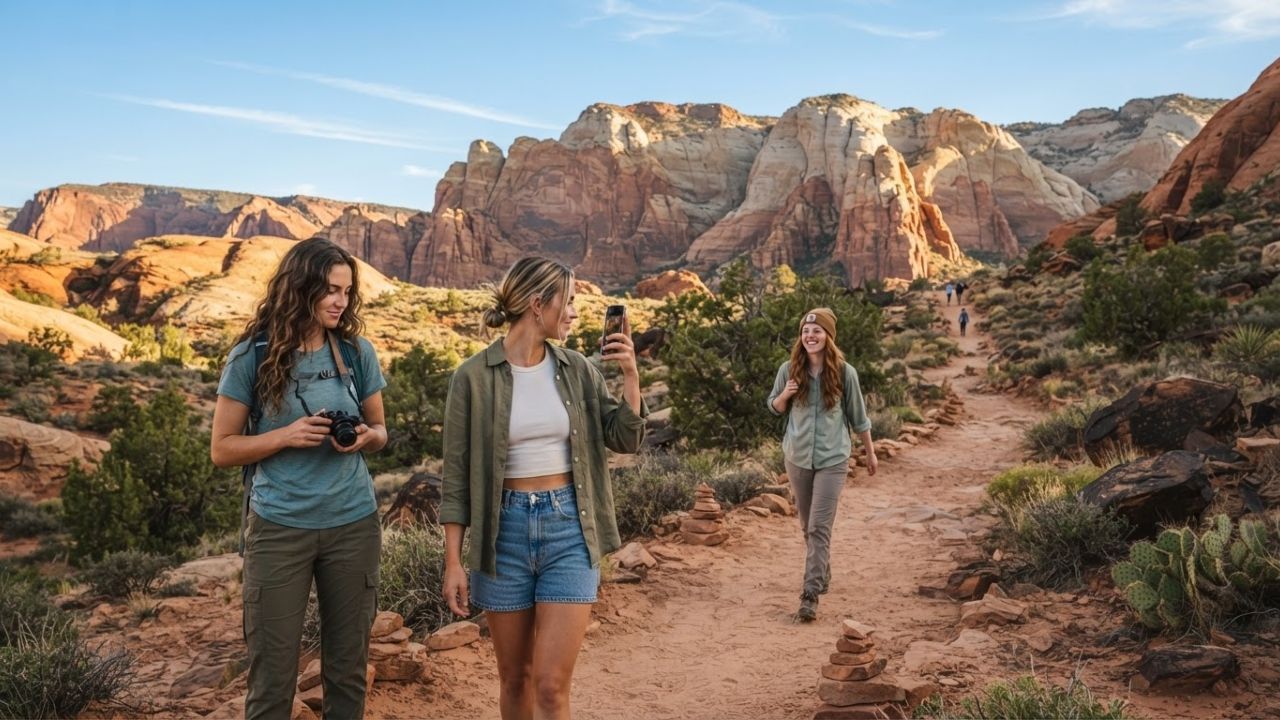
Image generated by AI
A newly identified "anti-viral" travel movement is steering younger American travelers away from algorithm-driven hotspots toward lesser-known regional gateways in 2026. Analysis reveals that accommodation searches for destinations like St. George, Utah, and Tacoma, Washington, have surged by over 120% year on year as travelers seek authentic, nature-rich experiences.
The Rise of the Anti-Viral Travel Movement
Domestic travel is experiencing a strong year in the United States, with 63% of US travelers planning a domestic trip for summer 2026. Social conversations regarding domestic holidays have doubled year on year, reflecting a growing preference for regional trips. This shifting travel pattern indicates that visitors still want beautiful destinations but are increasingly bypassing the crowded sites that dominate social feeds.
This trend is heavily supported by a desire for outdoor recreation, with search interest in lakes, mountains, and national parks increasing 65% year on year. Similarly, searches for beaches in Florida and California rose 50%, showing that classic coastal getaways remain popular. Research from Priceline indicates that younger travelers are helping drive travel based on nostalgia and personal experiences, with 63% of respondents showing interest in visiting the Midwest due to its affordability, authenticity, and relaxed atmosphere.
Analyzing High-Growth Regional Nodes Across the United States
St. George in Utah leads the emerging destinations with a 125% year-on-year increase in accommodation searches for summer 2026. Situated near Zion and Bryce Canyon National Parks, the city serves as a key base for outdoor recreation, allowing visitors to explore southern Utah's red-rock formations without staying inside the congested parks.
Tacoma in Washington also recorded a major search increase, climbing 120% year on year. The city is positioned as a gateway to Mount Rainier and Olympic National Parks, offering a waterfront urban experience that serves as an alternative to Seattle. In Florida, Bradenton saw accommodation searches climb 75% for summer 2026. Acting as a gateway to Anna Maria Island, the town offers a coastal escape that sits outside the state's largest resort hubs.
Similar growth is visible in Truckee, California, which recorded a 40% rise in searches, and Prescott, Arizona, which experienced a 30% increase. In Hawaii, Hilo was ranked by Google Flights as the fastest-trending US destination for spring break 2026, based on flight searches for March and April.
| Emerging US Destination | Search Growth (Year on Year) | Primary Regional Attraction |
|---|---|---|
| St. George, Utah | 125% increase | Zion & Bryce Canyon National Parks |
| Tacoma, Washington | 120% increase | Mount Rainier & Olympic National Parks |
| Bradenton, Florida | 75% increase | Anna Maria Island & Gulf Coast beaches |
| Truckee, California | 40% increase | Lake Tahoe & Sierra Nevada mountains |
| Prescott, Arizona | 30% increase | Granite Dells & Prescott National Forest |
Protecting Regional Environments and Promoting Local Stewardship
The shift toward secondary gateways helps reduce the environmental pressure on overvisited national parks. By staying in towns like Truckee or Prescott, visitors distribute tourism spending to regional small businesses, including locally owned lodging, diners, and tour agencies. This direct support keeps revenue in community micro-economies and funds regional conservation efforts.
State tourism departments, including the Utah Office of Tourism and Visit California, emphasize the importance of regional stewardship. These bodies work to ensure that visitors follow local guidelines, helping protect natural spaces while supporting local merchants.
Visitor Insider Guide: Exploring America’s Emerging Destinations
To help travelers plan their journeys and explore these rising regions responsibly, local specialists recommend the following practical tips:
- Best Travel Windows: For desert destinations like St. George or Prescott, visit during the shoulder months of April/May or September/October to enjoy mild temperatures and avoid peak crowds. For Truckee, early autumn offers excellent hiking weather before the winter ski season begins.
- Cultural Etiquette: Follow "Leave No Trace" principles when visiting national parks near these gateways. Always stay on designated trails to prevent soil erosion. In Hilo, show respect for Native Hawaiian traditions and protect marine life by using reef-safe sunscreen.
- Local Dining Specialties: Try fresh stone crab claws in Bradenton, or sample wild Pacific Northwest salmon in Tacoma. In St. George, enjoy local Utah peach cobbler, and in Prescott, try traditional Southwest-style green chili.
- Under-the-Radar Spots: In Tacoma, explore the quiet forest trails at Point Defiance Park for views of Puget Sound. In Hilo, visit Carlsmith Beach Park for opportunities to snorkel with sea turtles in natural spring-fed pools.
Shifting Search Engines and the Long-Term Tourism Outlook
The rise of secondary destinations represents a major opportunity for local communities to build resilient, year-round tourism models. Rather than relying on temporary viral spikes that strain municipal infrastructure, communities can focus on sustainable growth that benefits both residents and visitors.
As travel habits continue to evolve, the demand for authentic, nature-focused vacations will likely remain strong. If managed responsibly, these emerging gateways will continue to support local jobs and preserve America's natural heritage for future generations.
Related Travel Guides
Florida and Tennessee Lead America's Most Accessible Vacation Destinations
Ottawa Reaches New Tourism Heights as Summer Hotel Demand Surges
Disclaimer
This article is for informational and educational purposes only. It does not constitute legal, financial, or professional advice. While we strive to provide accurate and up-to-date information, travel policies, regulations, and conditions change rapidly. Always verify information with official sources before making travel decisions. Nomad Lawyer makes no representations about the accuracy, reliability, completeness, or suitability of the information provided. Readers should consult qualified professionals for advice specific to their circumstances. The views expressed in this article are those of the author and do not necessarily reflect the views of Nomad Lawyer.
Raushan Kumar
Founder & Lead Developer
Full-stack developer with 11+ years of experience and a passionate traveller. Raushan built Nomad Lawyer from the ground up with a vision to create the best travel and law experience on the web.
Learn more about our team →