
Gemini Cruise Ship Seized in Greece Amid Miray Cruises Collapse—Eastern Mediterranean Summer Routes in Chaos
The detention of cruise vessel Gemini in Greek waters has disrupted Eastern Mediterranean and Black Sea itineraries, leaving 24 crew members stranded and raising questions about cruise operator financial stability across key summer tourism routes.

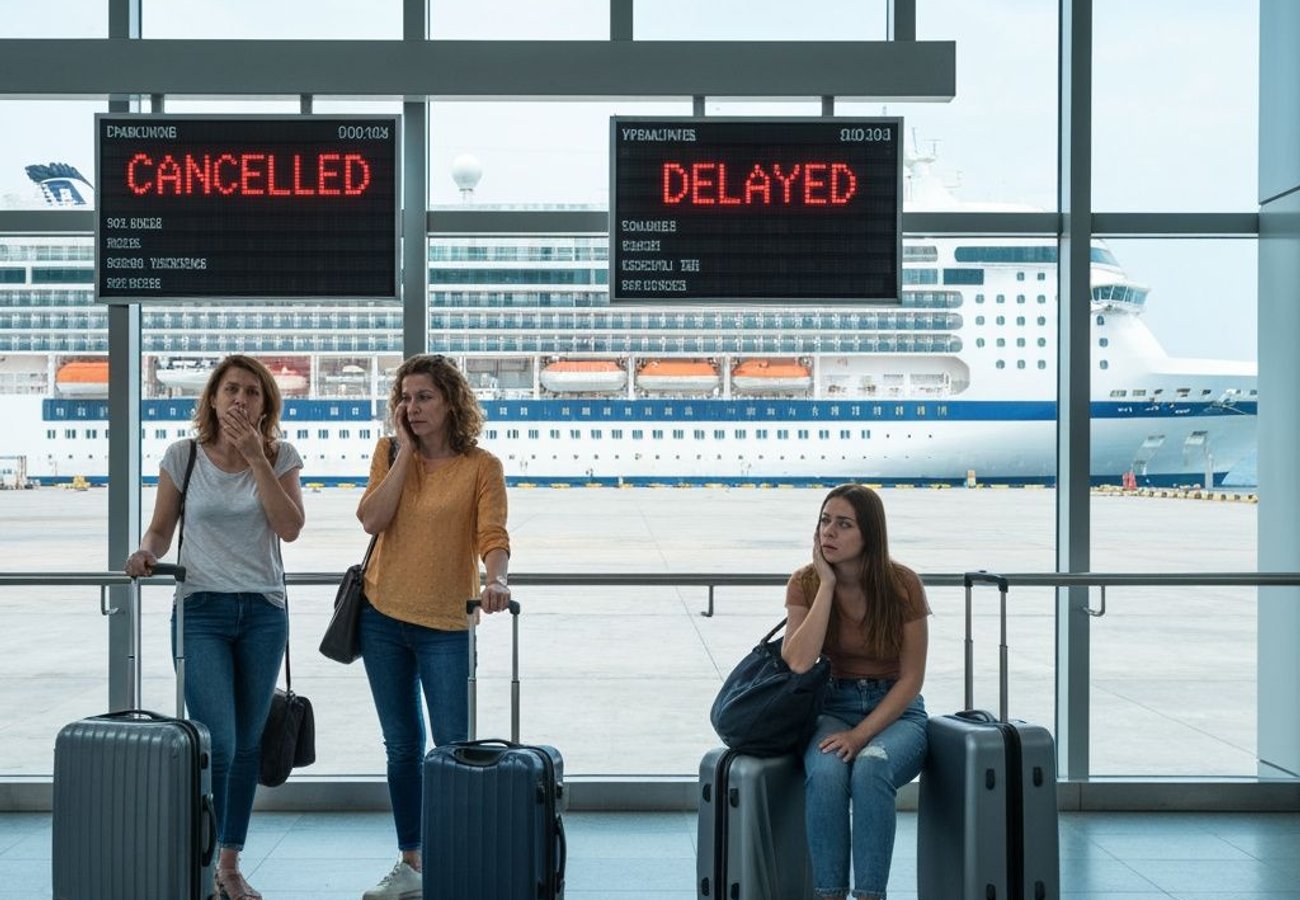
Image generated by AI
The Gemini cruise ship sits idle off the Greek coast. A Greek court has officially seized the vessel following a cascade of unpaid debts linked to its operator, Miray Cruises. What started as a promising summer cruise season connecting Greece, Turkey, Georgia and Russia has transformed into a maritime crisis affecting thousands of travelers, dozens of crew members, and entire port communities relying on seasonal cruise revenue.
This isn't just about one ship. This is about systemic fragility in the cruise industry—and how fast passenger confidence can evaporate when operators overextend themselves.
The Seizure That Froze an Entire Regional Network
The detention of Gemini represents far more than a routine port call gone wrong. The vessel was scheduled to launch an ambitious summer program linking multiple Eastern Mediterranean and Black Sea destinations. Instead, it now languishes under court order as creditors circle and legal proceedings grind forward.
Reports confirm that Miray Cruises accumulated substantial debts that triggered the seizure. The company, which had garnered international media attention for its failed Life at Sea residential cruise project, struggled to maintain financial stability as capital-intensive cruise operations collided with operational realities.
Reddit: "I had a booking on Gemini for July. No refund notification yet. Nobody answers the phone number listed on my confirmation." — r/cruise
For passengers with confirmed bookings, the situation has become a nightmare. Most travelers booked months in advance, expecting smooth sailing through iconic Mediterranean ports. Instead, they face the prospect of cancellations, refund disputes, and the uncertainty of rebooking alternatives during peak summer season when availability shrinks and prices spike.
Crew Welfare: The Human Cost of Financial Collapse
Approximately 24 crew members remain onboard the detained vessel. What should have been a standard cruise season has become a prolonged ordeal marked by unpaid wages and mounting uncertainty about future employment.
Maritime workers represent the backbone of international cruise operations. They work far from home, often enduring grueling schedules and separation from family in exchange for steady paychecks. When cruise operators fail financially, crew members face immediate hardship. Delayed wages create cascading problems—mortgage payments missed, families without income, visa and work permit complications.
The crew welfare dimension of this crisis has attracted attention from maritime labor organizations and international maritime authorities. According to the International Labour Organization (ILO), crew welfare standards remain a persistent challenge across the global shipping industry, particularly when operators face financial distress.
The Gemini situation exemplifies these vulnerabilities. Without immediate intervention, these crew members face weeks or months of uncertainty while legal proceedings determine the vessel's fate. Some reports suggest provisions and fuel supplies remain uncertain—adding a safety dimension to an already precarious situation.
Eastern Mediterranean Tourism Takes an Unexpected Hit
Greece, Turkey, and the broader Eastern Mediterranean region have experienced unprecedented cruise tourism growth over the past five years. Smaller, boutique cruise operators like Miray Cruises were designed to fill a specific niche—offering regional itineraries with deep cultural immersion, less crowded ports, and personalized experiences compared to mega-ships operated by industry giants.
Local port communities built expectations around these seasonal arrivals. Tour operators planned excursions. Restaurants staffed additional servers. Hotels coordinated group accommodations. Transportation providers scheduled vehicles. The entire ecosystem of Mediterranean coastal tourism operates on careful coordination of expected cruise arrivals.
When a vessel is suddenly detained, this entire network collapses. A single operator's financial failure creates a ripple effect through dozens of small businesses that depend on predictable, seasonal passenger flows.
Tourism authorities across the region now face challenges managing visitor expectations and supporting affected businesses. For destinations like smaller Greek islands and Turkish coastal ports that lack massive hotel infrastructure, cruise arrivals represent critical revenue sources during peak season. The loss of even one mid-sized vessel can measurably impact local economies.
Black Sea Expansion Dreams Meet Mediterranean Reality
One of Miray Cruises' most ambitious plans involved expanding operations into the Black Sea during summer 2026. The company had scheduled voyages linking Turkey, Georgia and Russia—destinations with growing appeal among travelers seeking culturally distinct cruise experiences away from mainstream Mediterranean routes.
The Black Sea cruise market represents a specialized segment. These voyages attract sophisticated travelers interested in heritage tourism, less-visited destinations, and unique cultural experiences. Fewer cruise operators serve this market compared to the crowded Mediterranean, making disruptions particularly consequential.
With Gemini detained indefinitely, those Black Sea itineraries have almost certainly been cancelled. Passengers who booked these voyages—often months in advance, specifically for their unique routing—now find their plans in limbo.
Cruise Line International Association data indicates that operational reliability has become increasingly important for travelers selecting cruise operators. When vessels fail to execute published itineraries, passengers lose confidence not just in that operator, but in regional cruise tourism as a whole.
When Ambition Exceeds Financial Reality
Miray Cruises entered the international cruise market with significant fanfare. The company's Life at Sea project—a proposed multi-year residential cruise experience—generated substantial media coverage and attracted thousands of prospective long-term passengers. The initiative captured the imagination of digital nomads, remote workers, and travelers seeking unconventional lifestyle experiences.
That project ultimately failed. Securing a suitable vessel proved more difficult than anticipated. Investment capital dried up. The ambitious vision collided with harsh maritime and financial realities.
Rather than scaling back operations, Miray Cruises appears to have attempted expansion through the Gemini acquisition and Eastern Mediterranean deployment. This aggressive strategy might have worked in a capital-rich environment with strong operator cash reserves. Instead, it appears to have accelerated the company's financial unraveling.
The cruise industry demands enormous capital investment. Vessel acquisition costs reach tens of millions of dollars. Maintenance, regulatory compliance, staffing, insurance, fuel, and provisioning create relentless operational expenses. Even temporary disruptions to revenue—weather delays, unexpected repairs, regulatory compliance issues—can strain operator finances severely.
For regional cruise operators competing against massive multinational cruise conglomerates, the margin for error is razor-thin. Miray Cruises learned this lesson through operational collapse.
Broader Industry Questions: When Will This Happen Again?
The Gemini detention raises uncomfortable questions about cruise industry financial transparency and passenger protection. Unlike airlines, where extensive regulatory frameworks and insurance requirements protect passengers during operator failures, cruise industry safeguards remain inconsistent across different regions and operators.
The EU has established certain passenger protection requirements for cruise operators, but these vary significantly from jurisdiction to jurisdiction. Smaller operators, particularly those registered in certain flag states, operate with minimal financial transparency requirements.
Passengers who booked Gemini cruises through third-party travel agencies may have some recourse through travel insurance or booking platform protections. Passengers who booked directly face murkier prospects for refunds. Crew members have even fewer protections, relying on maritime labor conventions that are often difficult to enforce when operators become insolvent.
The situation also highlights why major cruise operators maintain significant cash reserves and conservative expansion strategies. The Carnival Corporation, Royal Caribbean, and Norwegian Cruise Line—despite periodic financial challenges—maintain operational scale that provides buffer against individual vessel disruptions.
Regional operators lack these safety margins. A single detained vessel can mean the difference between profitability and insolvency. This inherent fragility deserves greater attention from regulatory authorities and traveler awareness.
What Travelers Should Know Now
If you had a booking on Gemini or any Miray Cruises itinerary: Document everything. Contact your credit card company or travel insurance provider immediately. The situation remains fluid, and early action regarding chargeback disputes or insurance claims may improve your position.
For travelers considering cruise bookings during 2026 and beyond: Research operator financial stability and history before committing funds. Smaller, regional cruise operators offer compelling itineraries and experiences—but they carry correspondingly higher operational risk compared to established industry leaders. Travel insurance becomes especially valuable when booking with newer or smaller operators.
The cruise industry will move forward from this disruption. The Eastern Mediterranean remains profoundly attractive for cruise tourism. But the Gemini detention serves as a powerful reminder that cruise operators remain subject to the same financial pressures and failures affecting other businesses—with particularly acute consequences for passengers, crew members, and destination communities.
The Mediterranean's beauty outlasts any single operator's ambitions.
Related Travel Guides
Disclaimer
This article is for informational and educational purposes only. It does not constitute legal, financial, or professional advice. While we strive to provide accurate and up-to-date information, travel policies, regulations, and conditions change rapidly. Always verify information with official sources before making travel decisions. Nomad Lawyer makes no representations about the accuracy, reliability, completeness, or suitability of the information provided. Readers should consult qualified professionals for advice specific to their circumstances. The views expressed in this article are those of the author and do not necessarily reflect the views of Nomad Lawyer.
Kunal K Choudhary
Co-Founder & Contributor
A passionate traveller and tech enthusiast. Kunal contributes to the vision and growth of Nomad Lawyer, bringing fresh perspectives and driving the community forward.
Learn more about our team →