
GCC Nations Forge Futuristic Smart Travel Networks to Accelerate Saudi Arabia’s AI Tourism Evolution
Bahrain, UAE, and GCC nations are integrating AI-powered travel networks to support Saudi Arabia's Vision 2030 and transform regional tourism infrastructure.

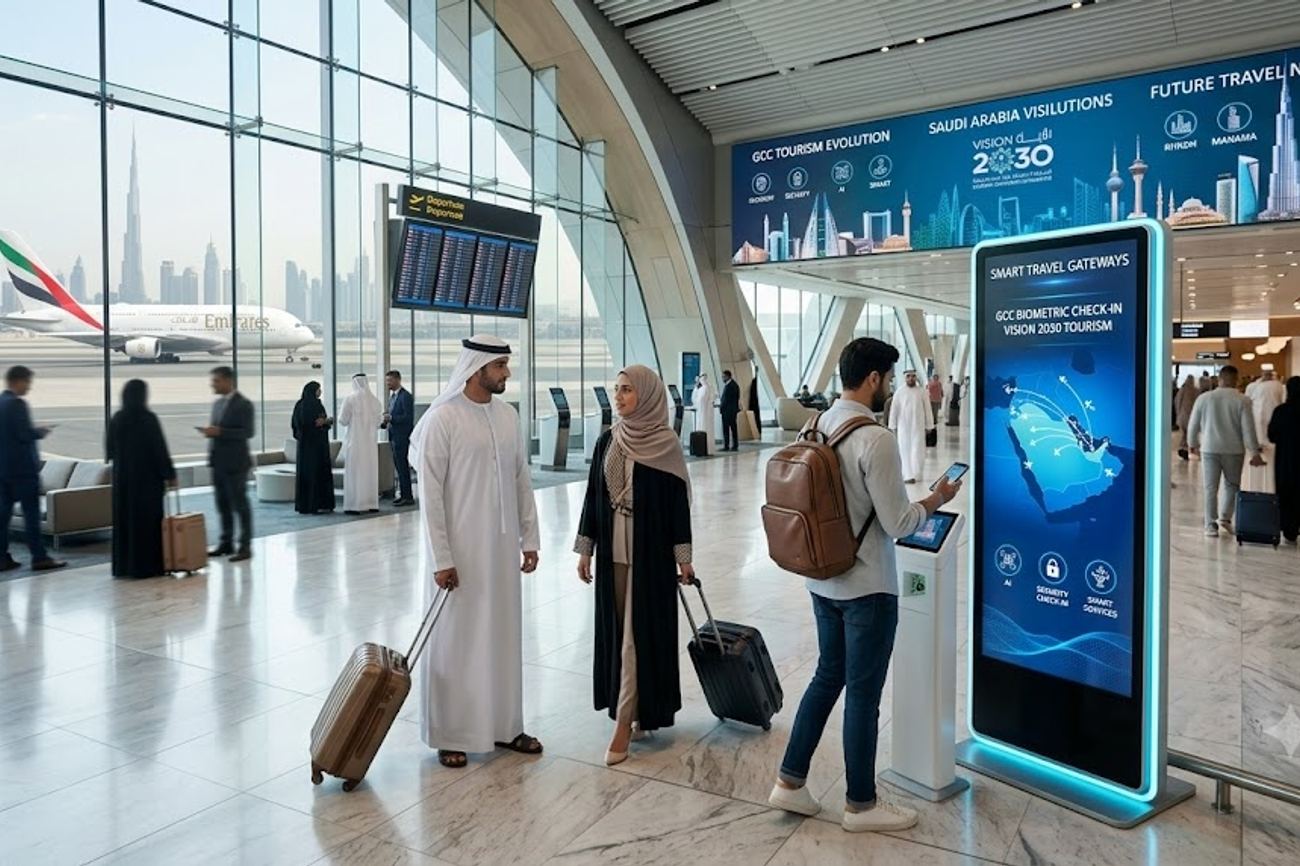
Image generated by AI
[Manama, September 7, 2026] — The landscape of Middle Eastern travel is undergoing a systemic shift as Bahrain, the UAE, and other Gulf Cooperation Council (GCC) members integrate their digital infrastructures to power Saudi Arabia’s artificial intelligence (AI) tourism evolution. This regional synchronization is moving beyond simple visa agreements, focusing instead on the creation of "smart travel networks" that utilize machine learning to predict traveler behavior and optimize destination management.
The strategic objective is to transition Saudi Arabia from a traditional destination into a future-ready tourism hub. By leveraging the technological strengths of its neighbors, the Kingdom is establishing an environment where AI can curate hyper-personalized itineraries, reducing friction for international visitors and increasing the efficiency of regional tourism flows.
Saudi Arabia Implements Intelligent Tourism Infrastructure
The Kingdom's 2026 tourism strategy marks a departure from volume-based growth, pivoting instead toward a "machine-readable" ecosystem. This approach allows digital systems to ingest vast amounts of visitor data to deliver real-time, intelligent travel solutions.
A cornerstone of this digital pivot was the unveiling of the Unified Tourism Services Platform during LEAP 2026. This centralized digital environment consolidates investment services, tourism licensing, compliance protocols, and professional training into a single interface. To further enhance accessibility, the Ministry of Tourism integrated "Tourism X," an AI-driven support system designed to streamline user navigation and service procurement.
Current AI implementations within the Saudi tourism sector include:
- Predictive analytics for tourism demand forecasting
- AI-powered virtual travel assistants
- Multilingual digital guidance systems
- Smart destination management tools
- Personalized, data-driven travel recommendations
By partnering with global AI specialists and tech firms, the Kingdom is prioritizing operational efficiency to ensure that the visitor experience is seamless from the moment of booking to departure.
GCC Integration Creates a Unified AI Travel Corridor
The ambition of Saudi Arabia’s AI tourism sector is being amplified by a broader Gulf ecosystem. The UAE, Bahrain, Qatar, Oman, and Kuwait are no longer operating as isolated markets but are instead contributing to a connected network of aviation links and digital innovations.
Central to this effort is the concept of the GCC Unified Tourist Visa, which aims to facilitate easier regional movement. This policy shift, combined with shared digital travel systems, allows for a more fluid exchange of visitors across borders, feeding more data into the AI systems that manage regional tourism.
| Country | Role in Saudi Arabia AI Tourism Growth | Primary Contribution |
|---|---|---|
| Bahrain | Enhances short-haul smart connectivity | Digital cooperation, GCC visitor flows, weekend tourism |
| UAE | Provides global aviation and tech frameworks | AI innovation, international gateways, luxury links |
| Qatar | Drives aviation connectivity and smart development | Digital innovation, business travel, global visitors |
| Oman | Integrates nature and cultural circuits | Multi-destination travel experiences |
| Kuwait | Supplies regional visitor demand | Religious, leisure, and family travel flows |
| Jordan | Links heritage and cultural networks | Regional travel packages |
| Egypt | Supports cultural and religious visitor flows | Large-scale regional tourism market |
| Turkey | Boosts aviation and tourism exchange | International connectivity |
Bahrain Drives Short-Haul Smart Connectivity
Due to its geographic proximity, Bahrain has become a critical node in Saudi Arabia’s smart tourism framework. The frequent cross-border movement between the two nations provides a fertile testing ground for AI-powered platforms that suggest multi-country Gulf itineraries.
Bahrain’s contribution focuses on three primary areas:
- Short-Haul Integration: By linking experiences in Bahrain with those in Saudi Arabia, AI platforms can now recommend seamless, short-duration trips that span both nations.
- Digital Synergy: Bahrain’s own digital transformation initiatives align with Saudi Arabia’s goals, creating a regional environment where visitor services and tourism data are interoperable.
- Experience-Based Tourism: The rise of weekend getaways encourages the use of AI systems to suggest flexible, activity-based journeys across the Gulf.
UAE Leverages Global Aviation Hubs for AI Expansion
The United Arab Emirates remains a primary catalyst for Saudi Arabia's AI tourism growth, utilizing its status as a global aviation leader. The hubs of Dubai and Abu Dhabi act as the primary entry points for millions of international travelers, who are increasingly being funneled into combined UAE-Saudi travel packages.
The UAE’s impact is felt most strongly through its advanced digital infrastructure, which allows for a high level of knowledge exchange regarding AI deployment. Furthermore, AI platforms are now integrating luxury experiences across a connected corridor including Dubai, Riyadh, Jeddah, AlUla, and the Red Sea destinations. This creates a high-end, personalized circuit that appeals to the luxury traveler.
Qatar and Oman Expand the Digital Tourism Reach
Qatar is enhancing the ecosystem by blending business travel with smart tourism. Through Qatar Airways, the nation provides the essential international connectivity required to bring global markets into the Gulf. For AI systems, the data generated from Qatar’s business and transit flows provides critical touchpoints for designing smoother multi-destination journeys.
Simultaneously, Oman is adding cultural and ecological depth to the network. By linking Oman's nature-based tourism with Saudi Arabia’s heritage sites in AlUla and its modern urban centers, the region is creating a diverse "cultural circuit." This variety allows AI algorithms to offer more complex and rewarding travel recommendations to visitors seeking a blend of modernity and tradition.
Why This Matters: The Shift to Predictive Travel
For the modern traveler, this regional integration means the end of fragmented trip planning. Instead of managing separate visas, bookings, and guides for each Gulf nation, the shift toward a unified AI network allows for a "single-pane-of-glass" experience.
From a logistical standpoint, this creates a predictive travel environment. Rather than reacting to a tourist's arrival, the system can anticipate needs based on regional data—suggesting a luxury stay in Dubai, a cultural tour in AlUla, and a weekend retreat in Bahrain—all within a single, AI-optimized itinerary. This not only increases the average length of stay in the region but also maximizes the spending per visitor by presenting them with precisely the experiences they are likely to enjoy.
Related Travel Guides
Disclaimer
This article is for informational and educational purposes only. It does not constitute legal, financial, or professional advice. While we strive to provide accurate and up-to-date information, travel policies, regulations, and conditions change rapidly. Always verify information with official sources before making travel decisions. Nomad Lawyer makes no representations about the accuracy, reliability, completeness, or suitability of the information provided. Readers should consult qualified professionals for advice specific to their circumstances. The views expressed in this article are those of the author and do not necessarily reflect the views of Nomad Lawyer.
Preeti Gunjan
Contributor & Community Manager
A passionate traveller and community builder. Preeti helps grow the Nomad Lawyer community, fostering engagement and bringing the reader experience to life.
Learn more about our team →