
Fuel Squeeze Threatens Summer Flight Plans Across UK and EU in 2026
Jet fuel prices hit multi-year highs in 2026 as Middle East tensions disrupt supply chains. UK and EU airlines face expiring fuel hedges, threatening summer airfare spikes and potential flight disruptions during peak holiday season.

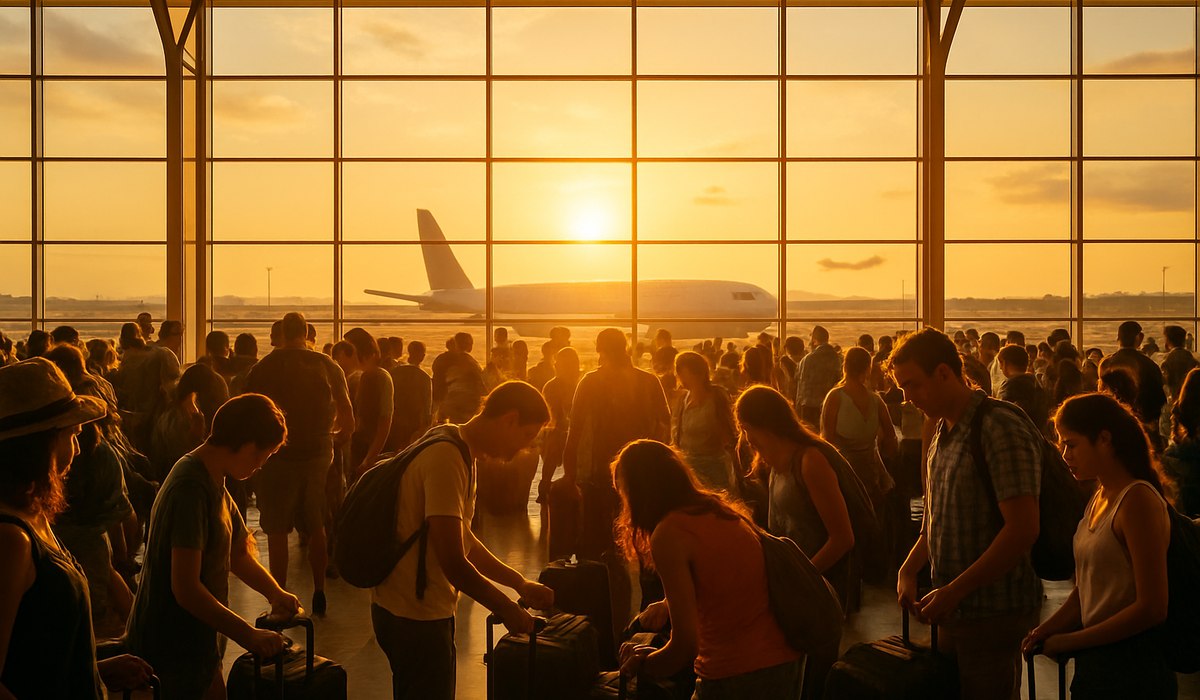
Image generated by AI
Soaring Jet Fuel Prices Signal Summer Fare Hikes for European Travelers
Major European airports and airlines are bracing for significant cost pressures as jet fuel prices climb to their highest levels in years. Conflict in the Middle East has disrupted crude oil flows and critical maritime shipping routes, pushing fuel squeeze scenarios into Europe's aviation infrastructure during the crucial lead-up to peak summer holiday travel. Airlines serving UK and EU routes now face a dual challenge: expiring fuel hedges that locked in lower 2026 prices are rolling off, forcing carriers to absorb spot-market costs that have surged dramatically. Industry analysts warn that passengers booking summer flights should expect ticket prices to reflect these climbing input costs, with some routes already seeing targeted fare increases in the double-digit euro range.
Europe's Jet Fuel Crisis: Why Prices Hit Multi-Year Highs
The fuel squeeze threatening European aviation stems from multiple converging factors. Tensions surrounding the Strait of Hormuz and broader Middle East instability have created uncertainty in global oil markets, with European refineries particularly vulnerable due to their reliance on Middle Eastern crude imports. European jet fuel benchmarks have climbed above comparable Asian markets, an unusual reversal that signals regional supply constraints and elevated demand pressure.
Fuel now represents nearly one-third of typical airline operating costs across the continent. This structural reality means that any sustained price spike ripples directly into airline P&Ls and, eventually, passenger ticket prices. Carriers locked in portions of their 2026 fuel needs through hedging contracts at lower rates, which initially cushioned the impact. However, as these protective agreements expire through spring and summer 2026, airlines will face unhedged exposure to current elevated spot prices. The combination of geopolitical risk, refinery logistics bottlenecks, and rolling hedge expirations creates a perfect storm for fare pressure heading into July and August travel season.
Summer Airfare Hikes Loom as Airline Hedges Expire
Major airline groups including Lufthansa, Air France-KLM, and IAG (parent of British Airways) have publicly signaled that higher fares are coming to 2026 summer schedules. Financial filings and recent industry conference statements confirm that carriers expect to pass fuel cost increases directly to passengers as hedges roll off. Some airlines have already implemented targeted fare hikes on long-haul and intra-European routes, with reports from French and German markets documenting increases of 15-25 euros per return ticket on select services.
Low-cost carriers face particular pressure because many operate on razor-thin margins and purchase fuel closer to departure dates on spot markets rather than through long-term contracts. While budget airlines have attempted to shield passengers through aggressive pricing competition and advance sales, their ability to absorb sustained fuel shocks remains limited. Some international carriers have begun explicitly itemizing fuel surcharges on booking confirmations, making the cost-pass-through transparent to travelers. For summer 2026, realistic expectations include mid-single-digit percentage fare increases on most transatlantic and major European routes, with particularly sharp increases possible on fuel-intensive long-haul services.
Longer Routes and Airspace Closures Compound Operational Costs
Beyond fuel prices themselves, operational disruptions amplify costs for European carriers. Airlines must now plan longer routings to avoid congested or closed airspace around parts of the Middle East, adding flight time and fuel burn to services connecting Europe with Africa and Asia. A flight from London to Dubai or beyond may now require extended routing that burns additional fuel, multiplying the cost impact of elevated per-liter prices.
These operational detours feed directly into fare-setting models. When a carrier faces both higher fuel prices and longer flight times, the combined effect justifies larger fare increases than fuel price alone would suggest. Regional hubs including those in northern Italy have already experienced localized fuel delivery capacity constraints, prompting airlines to adjust refueling plans and build operational buffers. Such bottlenecks could spread to other congested European airports during peak summer if maritime disruptions or refinery scheduling issues persist. Airlines are managing risks through fuel tankering on certain legs, tactical schedule adjustments, and aircraft reallocation to better-supplied hubs, but these measures increase operational complexity and costs.
What UK and EU Travelers Should Expect This Summer
Summer 2026 airfares will almost certainly reflect higher underlying fuel costs than comparable periods in recent years. Travelers should anticipate incremental price increases on most transatlantic, long-haul, and major intra-European routes. Flight availability should remain normal at major hubs, though some regional airports may experience temporary constraints if fuel logistics bottlenecks intensify. Connections through busy European airports could face minor schedule changes or gate reassignments due to refueling logistics, particularly during peak hours. The fuel squeeze threatening European aviation does not signal wholesale flight cancellations or widespread shortages, but rather structural cost pressures that drive higher ticket prices. Savvy travelers should book summer flights earlier rather than later, lock in fares before further increases materialize, and build additional buffer time for connections through congested hubs. Corporate travel managers and leisure travelers alike should monitor airline announcements for explicit fuel surcharges and budget accordingly for higher per-ticket costs this summer.
Key Data Table: 2026 Fuel Squeeze Impact Snapshot
| Metric | Details |
|---|---|
| Jet Fuel Price Level | Multi-year highs, European benchmarks exceeding Asian markets |
| Fuel as % of Airline Costs | ~30% of operating expenses across major European carriers |
| Estimated Fare Increases | Mid-single-digit percentage on most routes; 15-25 euros additional on selected services |
| Affected Regions | UK, EU, routes to/from Africa and Asia |
| Primary Cause | Middle East conflict disrupting crude flows, Strait of Hormuz tensions, expiring fuel hedges |
| Timeline | Hedge expiration through spring/summer 2026; peak fare pressure June-August |
| Operational Impact | Longer routings, localized fuel constraints at regional hubs, minor schedule adjustments |
Traveler Action Checklist
-
Book summer flights immediately – Lock in fares before further hedge expirations trigger additional price increases in May and June.
-
Compare base fares vs. fuel surcharges – Check whether airlines itemize fuel costs separately; total ticket price matters more than component breakdown.
-
Plan buffer time for connections – Add 20-30 extra minutes to connection windows through major European hubs due to potential refueling delays and gate changes.
-
Set up price alerts – Monitor fares on your target routes using FlightAware fare comparison tools; alert fatigue indicates price stabilization.
-
Review airline fuel hedging statements – Carriers with extended fuel hedges in place may face smaller pass-through increases than those with shorter coverage.
-
Consider alternative routing options – Flying via less congested hubs or on different days may reveal lower fares less exposed to peak fuel surcharge timing.
-
Verify baggage and change policies – Higher base fares may not include amenities previously bundled; confirm what's included before purchase.
-
Monitor FAA and regulatory announcements – Check FAA and US DOT for any airspace closures or operational warnings affecting your route.
FAQ: Fuel Squeeze and Summer 2026 Travel
Q: Will flights be canceled due to fuel shortages this summer? A: Widespread physical shortages of jet fuel are unlikely across major European airports. Current supplies remain available at main hubs. Risk centers on localized bottlenecks at regional airports and potential minor schedule adjustments rather than mass cancellations. Build buffer time for connections as a precaution.
**Q: How much
Disclaimer
This article is for informational and educational purposes only. It does not constitute legal, financial, or professional advice. While we strive to provide accurate and up-to-date information, travel policies, regulations, and conditions change rapidly. Always verify information with official sources before making travel decisions. Nomad Lawyer makes no representations about the accuracy, reliability, completeness, or suitability of the information provided. Readers should consult qualified professionals for advice specific to their circumstances. The views expressed in this article are those of the author and do not necessarily reflect the views of Nomad Lawyer.
Raushan Kumar
Founder & Lead Developer
Full-stack developer with 11+ years of experience and a passionate traveller. Raushan built Nomad Lawyer from the ground up with a vision to create the best travel and law experience on the web.
Learn more about our team →