
Frontier Airlines Flight F94807 Diverts to Jacksonville International Airport Due to Severe Weather on 10 July 2026
Frontier Airlines flight F94807, an Airbus A321neo, diverted to Jacksonville International Airport on 10 July 2026 due to severe thunderstorm cells over Tampa, causing significant passenger disruptions.

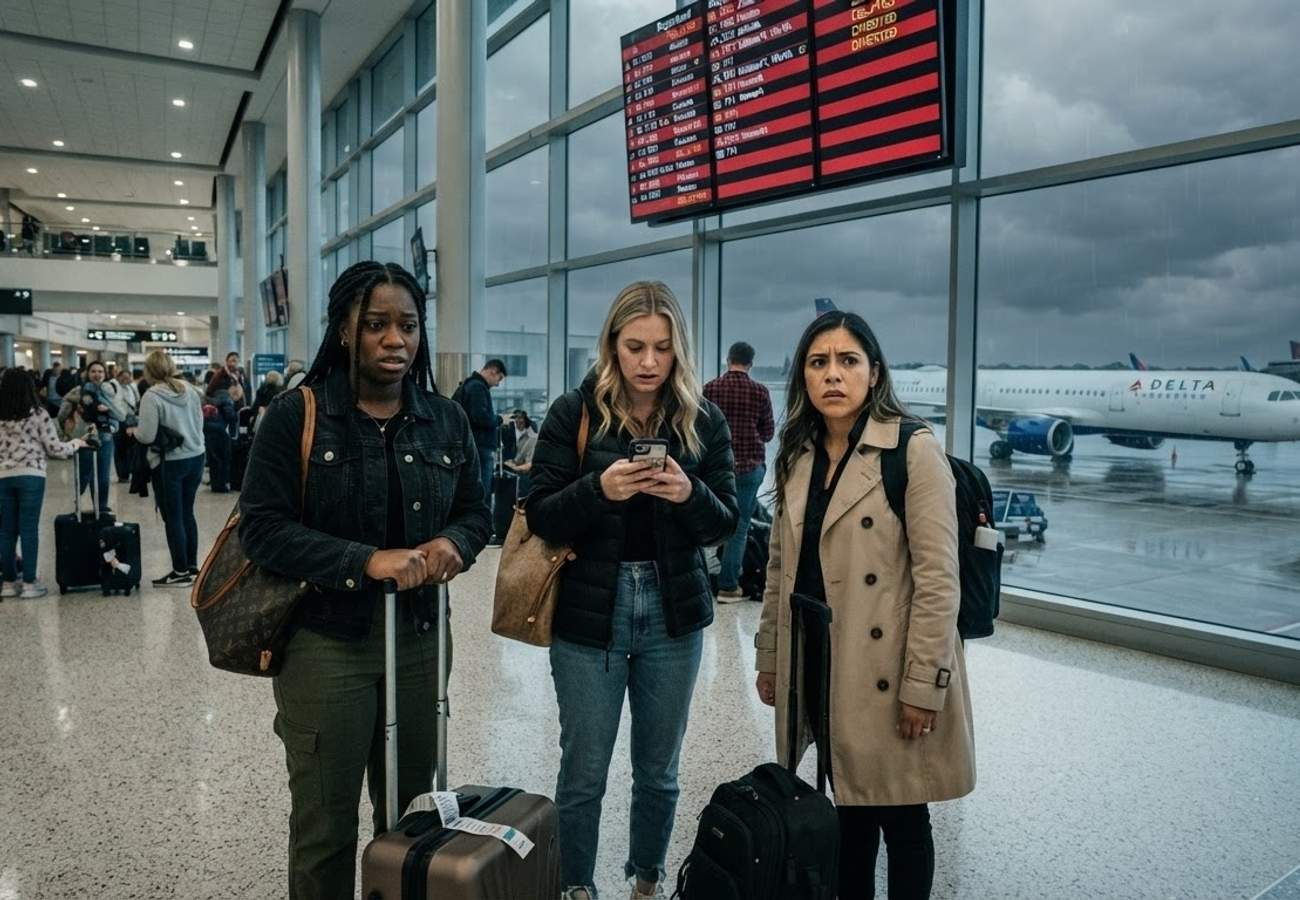
Image generated by AI
Frontier Airlines flight F94807 was forced to divert to Jacksonville International Airport (JAX) on 10 July 2026, causing operational delays for passengers traveling from Philadelphia to Tampa.
The diversion occurred mid-journey when the flight crew encountered un-forecasted severe thunderstorm cells directly over the destination airport in Tampa. To ensure the safety of all occupants and adhere to strict fuel reserve regulations, the aircraft was rerouted to Jacksonville.
Flight and Airport Impact Breakdown
Our analysis of the flight data and operational logs confirms the following specifics:
- Flight Number: F94807
- Aircraft Model: Airbus A321-271NY (A321neo)
- Tail Number: N621FR
- Departure Point: Philadelphia International Airport (PHL)
- Scheduled Destination: Tampa International Airport (TPA)
- Diversion Point: Jacksonville International Airport (JAX)
- Departure Time: 07:55 AM
- Diversion Landing Time: 10:39 AM local time
- Primary Cause: Severe convective weather cells over Tampa
Following the landing at JAX, ground technicians initiated standard inspection protocols to verify the mechanical integrity of the airframe and analyze flight management computer data.
Passenger Rights & Advisory
When a flight is diverted, passengers are entitled to specific protections based on the cause of the disruption and the jurisdiction of the carrier. Since Frontier is a U.S.-based carrier, Department of Transportation (DOT) guidelines apply.
Rebooking and Refunds If a diversion results in a significant delay or the airline cannot provide a timely alternative to reach the final destination, passengers are generally entitled to:
- Rebooking: A seat on the next available flight to the destination at no additional cost.
- Refunds: A full refund of the unused portion of the ticket if the passenger chooses not to travel due to the disruption.
Duty of Care While U.S. regulations are less stringent than EU261, airlines typically provide the following during operational diversions:
- Communication: Timely updates from the flight deck and ground staff regarding the new itinerary.
- Meal Vouchers: Depending on the length of the delay at the diversion airport, carriers may provide vouchers for food and beverages.
- Accommodations: If the diversion requires an overnight stay, passengers should request hotel vouchers, although this is often subject to the airline's specific contract of carriage.
Actionable Advice for Travelers
- Document Everything: Keep records of all delays, communication from the crew, and receipts for out-of-pocket expenses (meals, transport) incurred during the diversion.
- Check the App: Monitor the airline's mobile app for real-time rebooking options, as these are often updated faster than gate agents can process them.
- Verify Fuel/Weather Status: If the diversion is weather-related, it is categorized as an "extraordinary circumstance," which may limit the airline's liability for monetary compensation beyond basic re-routing.
Industry Analyst View
The diversion of N621FR highlights the persistent challenge of "convective weather" in the Florida peninsula during the summer months. From an operational standpoint, the decision to divert to Jacksonville rather than enter an extended holding pattern over Tampa was a tactical necessity.
Aviation safety protocols mandate strict fuel reserves; pilots cannot legally circle hazardous weather cells indefinitely. By selecting JAX, the crew utilized a strategic alternative with adequate runway length and gate availability, mitigating the risk of fuel exhaustion.
The use of the A321neo fleet allows Frontier to maintain high efficiency, but the reliance on high-density domestic corridors means that a single diversion can create a ripple effect across the network, impacting subsequent flight rotations for that specific airframe.
Safety protocols successfully prioritized over schedule adherence in this operational deviation.
Related Travel Guides
Disclaimer
This article is for informational and educational purposes only. It does not constitute legal, financial, or professional advice. While we strive to provide accurate and up-to-date information, travel policies, regulations, and conditions change rapidly. Always verify information with official sources before making travel decisions. Nomad Lawyer makes no representations about the accuracy, reliability, completeness, or suitability of the information provided. Readers should consult qualified professionals for advice specific to their circumstances. The views expressed in this article are those of the author and do not necessarily reflect the views of Nomad Lawyer.
Kunal K Choudhary
Co-Founder & Contributor
A passionate traveller and tech enthusiast. Kunal contributes to the vision and growth of Nomad Lawyer, bringing fresh perspectives and driving the community forward.
Learn more about our team →