
France Dassault Rafale: Why Europe's Fighter Challenges NATO Dependency
France's Dassault Rafale fighter jet demonstrates European nations can develop sovereign military capabilities independent of American defense contracts. The 4.5-generation aircraft challenges NATO reliance on U.S. systems in 2026.

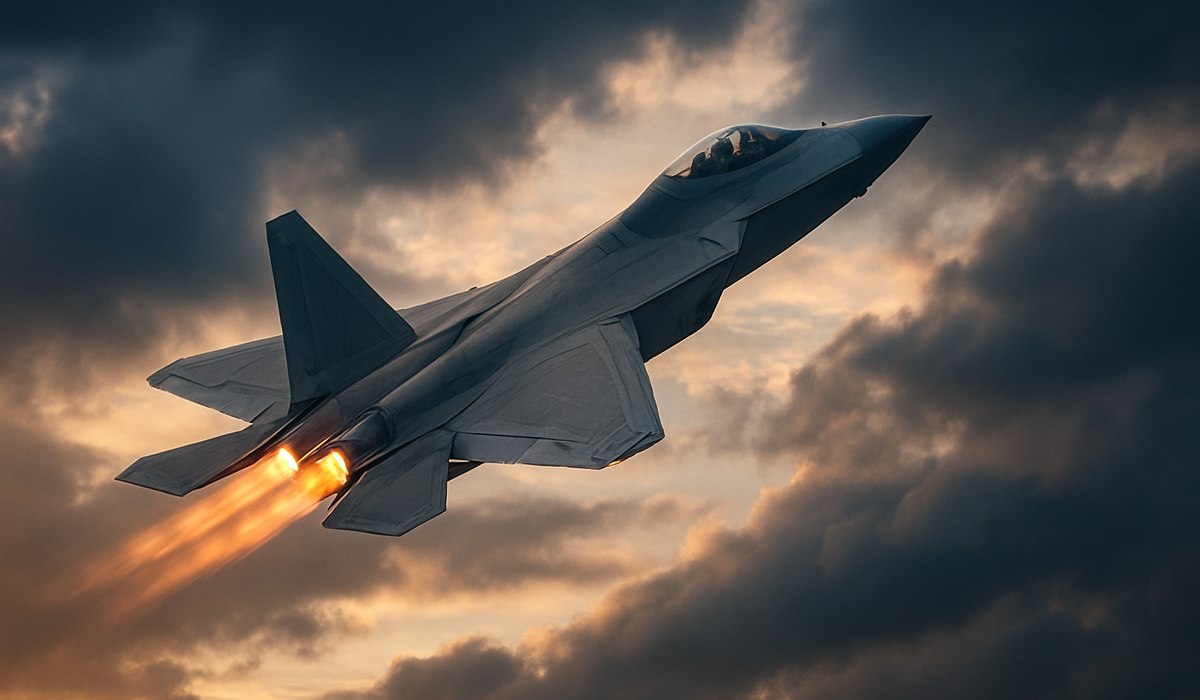
Image generated by AI
France's Independent Defense Innovation Takes Flight
France's Dassault Rafale fighter jet represents a significant milestone in European defense autonomy, proving that NATO allies need not depend exclusively on American military technology. Operational across multiple continents, the France Dassault Rafale serves as France's flagship air combat platform and demonstrates indigenous capacity for advanced weapons system development. This 4.5-generation aircraft challenges the narrative that American systems like the F-35 represent the only viable path for allied nations seeking modern air superiority capabilities.
The strategic implications extend beyond military considerations. France's successful development and export of the Dassault Rafale signals shifting power dynamics within the transatlantic alliance. European nations increasingly recognize the value of technological sovereignty in defense procurement. This capability gap between allied systems influences geopolitical alignment, procurement decisions, and force interoperability across NATO member states during a period of renewed great power competition.
France's Thriving Independent Defense Industry
France maintains one of Europe's most comprehensive domestic defense ecosystems. Unlike NATO partners that rely on American prime contractors or collaborative international programs, France cultivated deep expertise across aircraft design, propulsion systems, avionics integration, and weapons development. The Dassault Rafale serves as the centerpiece of this industrial achievement, incorporating technologies developed by multiple French defense manufacturers including Thales for radar systems and MBDA for missile platforms.
This vertical integration within France's defense sector creates economic resilience and technological control unavailable to nations dependent on foreign procurement. French defense exports, anchored by the Dassault Rafale, generate significant revenue while establishing diplomatic relationships with purchasing nations. Countries including India, Egypt, Greece, and Qatar have selected the Rafale over competing American platforms, validating France's capability to meet international defense requirements. The French defense ministry continues modernizing Rafale variants to maintain competitive advantage against emerging threats and potential adversaries.
The Dassault Rafale's Advanced Capabilities and Weapons Systems
The France Dassault Rafale carries fourteen external hardpoints capable of supporting approximately 9.5 metric tons of fuel and ordnance. This payload flexibility enables operators to configure aircraft for diverse mission profiles: air superiority, strike operations, reconnaissance, or nuclear deterrence. The airframe integrates a 30-millimeter GIAT cannon for close-range engagements and modern air defense scenarios involving unmanned systems.
Air-to-air armament centers on the MICA missile family, available in infrared-guided and radar-guided variants. Both configurations share identical aerodynamics, allowing mixed-missile loads during single sorties. The Dassault Rafale achieves enhanced beyond-visual-range capability through integration with the MBDA Meteor missile, which employs ramjet propulsion for sustained acceleration throughout flight. This technical advantage creates larger "no-escape zones," reducing target evasion opportunities once weapons fire occurs.
Strike missions rely primarily on the AASM (Armement Air-Sol Modulaire) precision-guided munition. Comparable to American JDAM systems, AASM accepts interchangeable guidance kits enabling inertial navigation, GPS targeting, laser designation, or imaging infrared seeking. Range-extension rocket motors enable standoff delivery from significant distances, protecting aircraft from air defense systems. The Thales RBE2 AESA radar provides advanced target detection and tracking essential for modern air combat.
Nuclear Deterrence: The Rafale's Strategic Role
The France Dassault Rafale fulfills France's nuclear deterrence mission as a certified carrier for the ASMP-A air-launched cruise missile. This supersonic nuclear delivery system forms France's airborne strategic deterrent, complementing submarine-launched and land-based systems. This responsibility positions the Rafale at the core of French national security strategy and strategic independence from NATO collective defense arrangements.
France's decision to develop indigenous nuclear delivery systems reflects broader European commitment to strategic autonomy. While NATO provides collective defense guarantees, France maintains sovereign nuclear capability independent of American systems or approval authorities. The Dassault Rafale's nuclear-capable variants underscore France's unwillingness to depend on external powers for ultimate national security. Export variants reportedly feature restrictions limiting nuclear weapons carriage, respecting international arms control frameworks while maintaining operational flexibility for France's strategic forces.
International Adoption and Global Reach
The France Dassault Rafale has achieved significant international commercial success competing directly against American F-35 and F/A-18 platforms. India operates over 36 Rafales with additional procurement planned. Egypt, Greece, and Qatar have each selected the platform for modernization programs. This global adoption validates the Dassault Rafale's performance characteristics and cost-effectiveness relative to American alternatives.
Export success generates substantial revenue for France's defense industrial base while establishing diplomatic relationships beneficial across numerous policy domains. Nations selecting the Dassault Rafale demonstrate confidence in French technological capabilities and willingness to reduce American defense dependency. International defense analysts increasingly recognize the Rafale as a credible alternative addressing allied procurement requirements without requiring integration into American-dominated supply chains or operational frameworks.
What This Means for Travelers
The geopolitical implications of the France Dassault Rafale extend beyond military specialists to affect general travel considerations:
-
European Defense Autonomy: France's defense capabilities influence NATO's strategic posture, affecting military exercise frequencies and airspace restrictions near training ranges. Travelers should monitor military exercise notices in French regions hosting air bases.
-
Defense Industrial Tourism: Several French facilities offer defense industry heritage tours. The Dassault Aviation facility in Mérignac and MBDA demonstration centers attract history-focused travelers interested in aerospace development.
-
Aviation Museum Experiences: Multiple French aviation museums feature Dassault Rafale displays and technical exhibits. Châteauroux and Le Bourget host regular exhibitions showcasing French aerospace achievements.
-
Regional Economic Impact: Defense procurement decisions influence regional employment and infrastructure investment across France, affecting local hospitality development and tourism services in aerospace industrial regions.
-
Airspace Awareness: Military exercise activities occasionally affect civilian airspace. Travelers flying within France should monitor NOTAM alerts for temporary restrictions near major air bases.
Frequently Asked Questions
What makes the Dassault Rafale competitive against the F-35?
The France Dassault Rafale offers superior short-range maneuverability, proven operational track record across multiple conflict zones, and significantly lower operating costs. The Rafale requires less maintenance infrastructure and integrates NATO-standard weapons, providing flexibility American platforms cannot match in contested acquisition environments.
Why do NATO allies choose the Dassault Rafale over American platforms?
International buyers select the Rafale for strategic autonomy considerations, cost advantages, and reduced dependency on American supply chains. France's export policies offer greater flexibility regarding technology transfer and operational autonomy compared to American restrictions on F-35 capabilities.
How does the France Dassault Rafale support European strategic independence?
The Rafale demonstrates European capacity for advanced defense system development without American participation. This capability strengthens European Union defense cooperation initiatives and reduces transatlantic military dependency in critical technology areas.
What future developments are planned for the Dassault Rafale?
France continues modernizing Rafale variants with enhanced avionics, improved sensor fusion, and expanded weapon integration. Future iterations will incorporate artificial intelligence applications and maintain competitive advantage against emerging fifth-generation aircraft platforms.
Related Travel Guides
Explore additional content related to European defense heritage and aerospace tourism:
- French Aviation Museums: Aerospace History and Heritage Sites
- Aerospace Industrial Tourism in Europe: Visiting Defense Manufacturing Facilities
- [NATO Military Exercise Tourism: Following Military Operations
Preeti Gunjan
Contributor & Community Manager
A passionate traveller and community builder. Preeti helps grow the Nomad Lawyer community, fostering engagement and bringing the reader experience to life.
Learn more about our team →