
Four Seasons Hotel Tunis Hosts Exclusive Lebanese Culinary Residency
Four Seasons Hotel Tunis hosts Byblos Nights from August 5 to August 9, 2026, presenting a Lebanese culinary residency at BLU Seafood Kitchen.

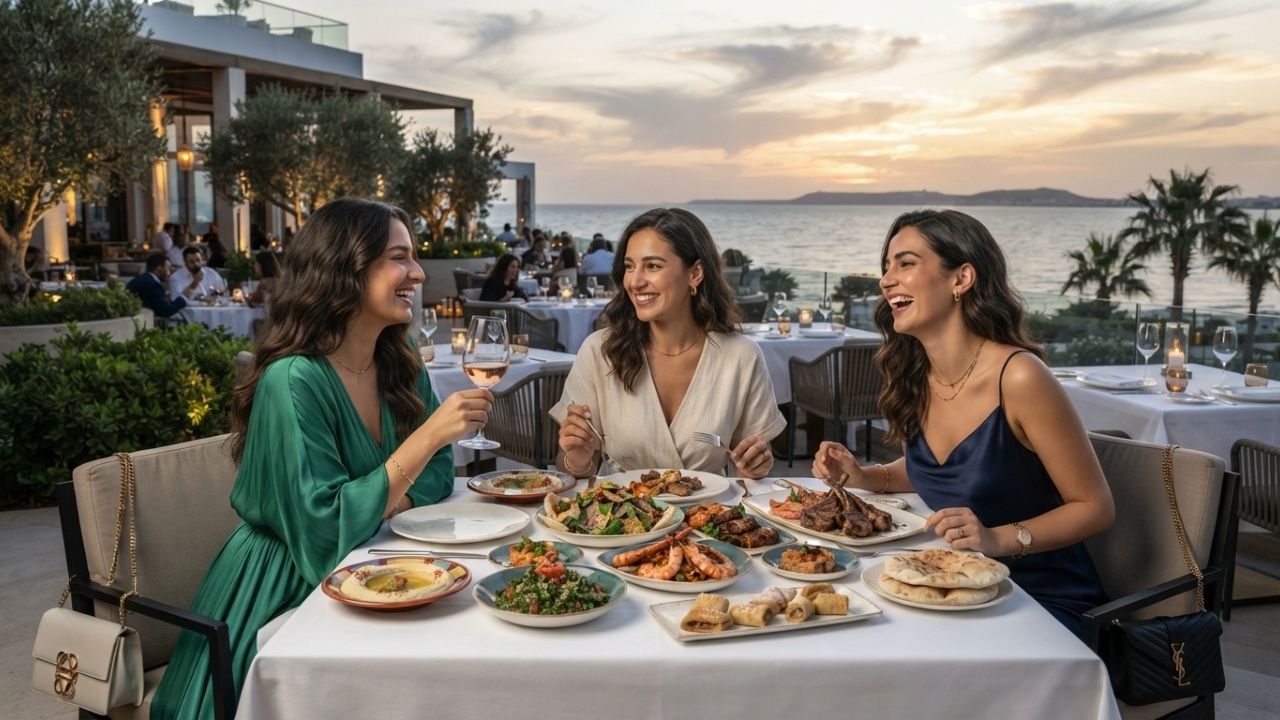
Image generated by AI
Four Seasons Hotel Tunis is hosting Byblos Nights from August 5 to August 9, 2026, bringing a five-day Lebanese culinary residency to its beachfront venue, BLU Seafood Kitchen & Bar. Curated by Chef de Cuisine Wissam Kayrouz, the exclusive dinner service combines traditional Levantine flavors with Tunisian coastal hospitality.
Levantine Gastronomy: Byblos Nights Debuts at BLU Seafood Kitchen
The international travel and food sectors are increasingly seeing a demand for unique culinary collaborations that connect regional dining cultures. Today's travelers seek out authentic culinary touchpoints that allow them to experience diverse cultural traditions without leaving their destination. In response to this rising interest, Four Seasons Hotel Tunis has introduced Byblos Nights, a five-day Lebanese culinary residency running from August 5 to August 9, 2026.
The residency is held at BLU Seafood Kitchen & Bar, the hotel's premier coastal restaurant overlooking the Mediterranean Sea. Chef de Cuisine Wissam Kayrouz has curated a specialized Lebanese menu that showcases the distinct flavors and traditions of his homeland. Chef Wissam has spent more than two decades preserving and developing Lebanese cooking techniques, transferring the signature approach of the Byblos restaurant—which launched at Four Seasons Hotel Cairo at Nile Plaza in 2023—directly to the Tunisian capital.
This collaborative residency highlights the potential for culinary exchange within an international hotel portfolio. Rather than being confined to a single market, the Byblos dining concept is shared with a new audience in Tunis, showing how culinary expertise can travel across borders while keeping its regional identity intact.
Culinary Connections: Merging Lebanese Flavors with the Mediterranean
The dinner service for Byblos Nights is designed around the social traditions of Levantine dining, where food is shared as a community experience. The menu features a broad selection of traditional hot and cold mezze, which are presented together to allow diners to appreciate contrasting tastes, textures, and aromas.
Among the featured main courses are Kibbeh Nayeh (traditional raw lamb dish), Mixed Grills, Charcoal-Grilled Lamb Chops, Shrimp Provençal, and Sayadieh (a classic Lebanese fish and rice dish). Each preparation is created with an emphasis on precision and authenticity, using time-honored recipes that have been passed down through generations. The selection of cold mezze includes classic dip favorites like creamy hummus and mutabbal, alongside refreshing tabbouleh and herb-filled fattoush salads, while the hot mezze features savoury meat pastries, falafel, and grilled halloumi cheese. By presenting these dishes in Tunis, the culinary team highlights the shared flavor profiles and historical connections that exist across different regions of the Mediterranean.
For local residents and international visitors in Tunis, the residency provides a rare opportunity to explore the culinary heritage of Lebanon. The menu celebrates the generosity associated with Levantine hospitality, offering a dining experience that focuses on storytelling, memory, and cultural preservation rather than simply providing a meal.
Seafront Setting: BLU Seafood Kitchen as a Cultural Venue
The choice of BLU Seafood Kitchen & Bar as the host venue for the residency adds a distinct coastal element to the dining experience. The restaurant is recognized as a leading destination for seafood and Mediterranean dining in Tunis, with its open-air terrace providing views of the sea and passing boats.
For the five evenings of the residency, the restaurant's regular menu is replaced by Chef Wissam's Levantine selections, transforming the dining environment. The limited duration of the event gives the program an exclusive character, encouraging food enthusiasts to book their tables early. By hosting this international residency, the hotel strengthens its position as a participant in the cultural life of the capital, combining high-end hospitality with authentic culinary art.
The open kitchen design at BLU allows guests to observe the preparation of the mezze and grilled dishes, adding an interactive element to the dinner. This transparent cooking style matches the communal spirit of both Tunisian and Lebanese dining cultures, where the preparation of food is treated as an essential part of the celebration.
Sustainable Sourcing: Partnering with Local Fishers and Farms
In alignment with modern environmental standards, the residency has established sustainable sourcing guidelines to minimize the ecological footprint of the five-day program. In coordination with the Tunisian National Tourist Office, the culinary team has prioritized partnerships with local artisanal fishermen in the Tunis region to source the fresh shrimp and fish required for the Sayadieh and Shrimp Provençal.
Additionally, the herbs, vegetables, and lemons used in the hot and cold mezze are sourced from independent organic farms in the surrounding agricultural districts. This focus on regional produce reduces transport emissions and ensures that the ingredients reflect the freshness required by the recipes.
The kitchen also utilizes portion-controlled serving methods to minimize food waste during the multi-course mezze dinners. Diners are encouraged to share dishes, reflecting the low-waste traditions of Levantine family tables. This combination of local sourcing, biodegradable table accents, and conscious portions ensures that the celebration of Lebanese culture supports the conservation of the local environment.
Local Insider Guide: Sunset Seating and Shared Mezze Etiquette
To help you get the most out of your dining experience during Byblos Nights, local culinary specialists recommend the following insider tips:
- Optimal Dining Windows: Book your table for the early dinner seating around 7:30 PM. This timing allows you to experience the sunset over the Mediterranean from the terrace of BLU Seafood Kitchen before the main dinner service begins.
- Mezze Sharing Etiquette: When enjoying the selection of hot and cold mezze, use the fresh flatbread to scoop up the dips, such as hummus and mutabbal. Sharing from the central plates is a traditional way to build connection among diners around the table.
- Regional Wine Pairings: Complement the rich, spiced flavors of the mixed grills and lamb chops with local Tunisian red wines, such as a robust Magon or a classic Chateau Mornag, which pair exceptionally well with Levantine spices.
- Explore Nearby Heritage: Combine your dinner reservation with an afternoon visit to the nearby ruins of Carthage or a stroll through the blue-and-white clifftop streets of Sidi Bou Said, which are located just a short drive from the hotel.
Tourism Outlook: Strengthening Tunisia's Culinary Tourism Sector
The long-term impact of targeted culinary residencies on Tunisia's hospitality market is highly positive. Organizations such as the Ministry of Tourism of Tunisia are focusing on culinary tourism as a key driver of international visitor growth, encouraging hotels to showcase both domestic and regional food traditions. By inviting talented guest chefs to collaborate with local teams, Four Seasons Hotel Tunis helps raise the benchmark for casual and premium dining in the capital.
This strategy supports the development of the local hospitality workforce, providing Tunisian chefs with opportunities to learn new techniques and share their own expertise. This collaborative environment is essential for building a diverse, resilient dining sector that appeals to global travelers.
As traveler preferences continue to focus on authenticity and cultural engagement, hotels that offer these curated dining programs will remain highly competitive. By bringing the flavors and hospitality of Byblos to Tunis, the residency demonstrates that the future of luxury travel is shaped by shared culinary discoveries, responsible environmental practices, and respect for regional traditions.
Related Travel Guides
Four Seasons Hotel Bengaluru Hosts Authentic Onam Sadhya Feast
Wagamama Partners with Charcoal Concepts to Open 100 India Restaurants
Disclaimer
This article is for informational and educational purposes only. It does not constitute legal, financial, or professional advice. While we strive to provide accurate and up-to-date information, travel policies, regulations, and conditions change rapidly. Always verify information with official sources before making travel decisions. Nomad Lawyer makes no representations about the accuracy, reliability, completeness, or suitability of the information provided. Readers should consult qualified professionals for advice specific to their circumstances. The views expressed in this article are those of the author and do not necessarily reflect the views of Nomad Lawyer.
Kunal K Choudhary
Co-Founder & Contributor
A passionate traveller and tech enthusiast. Kunal contributes to the vision and growth of Nomad Lawyer, bringing fresh perspectives and driving the community forward.
Learn more about our team →