
United Airlines Flight Forced to Return to Newark Over Bluetooth Device Name—Security Concerns Trigger Major Protocol Review
Breaking airline news and aviation industry updates for 2026.

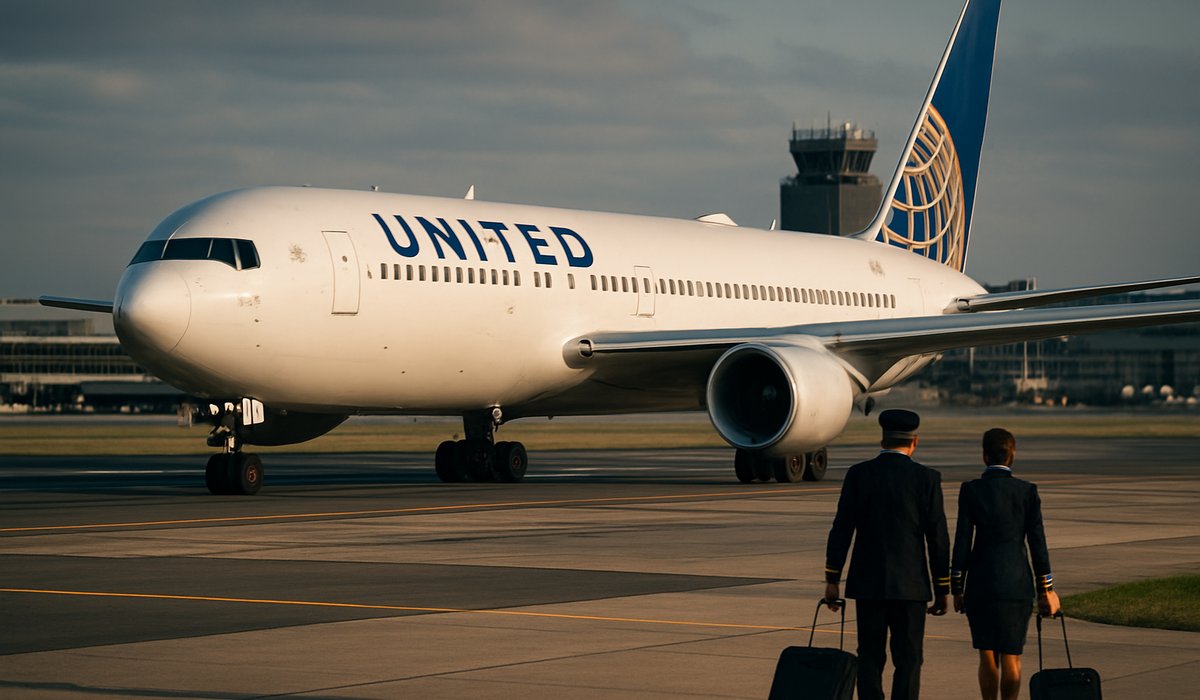
Image generated by AI
United Airlines Flight Forced to Return to Newark Over Bluetooth Device Name—Security Concerns Trigger Major Protocol Review
A routine departure becomes an unexpected security incident, raising fresh questions about in-flight communication safeguards and airport screening procedures
A United Airlines Boeing 767 operating as Flight 1767 from Newark Liberty International Airport was compelled to turn back and land safely Sunday following discovery of a passenger device with an offensive Bluetooth identifier, according to multiple sources familiar with the matter. The incident, which unfolded approximately 90 minutes into the flight, has reignited broader conversations within the aviation sector regarding passenger conduct, device screening, and crew protocols during unexpected diversions.
The Incident Unfolds
Flight crew members detected the problematic Bluetooth device name while conducting routine in-flight systems checks, triggering immediate safety and security procedures. The aircraft, carrying 142 passengers and crew members, returned to its departure point without incident. No injuries or safety threats were reported during the return to Newark, according to United Airlines' communications team.
The discovery prompted an extensive ground-based investigation involving airport security personnel and Federal Aviation Administration (FAA) officials. The individual responsible for the device was interviewed by law enforcement officials before being released pending further review.
Official Response and Investigation
United Airlines released a statement confirming the incident's resolution: "We took appropriate action to ensure the safety and security of our passengers and crew. The matter has been addressed in coordination with relevant authorities, and the flight subsequently departed Newark for its scheduled destination with a new aircraft assignment."
The FAA declined to provide additional specifics, citing the ongoing nature of security-related inquiries. However, the agency emphasized that all passenger devices undergo standard pre-flight protocols and that crew training emphasizes vigilance regarding unusual passenger behavior or device activity.
Broader Aviation Industry Implications
The incident occurs against a backdrop of heightened security consciousness within commercial aviation. While in-flight Bluetooth connectivity has become standard on modern aircraft, crew familiarity with device identification systems and potential security risks remains inconsistent across carriers.
Aviation security experts note that such incidents, while relatively rare, underscore the importance of comprehensive crew training and clear escalation procedures. The balance between passenger convenience and security remains a central challenge for the industry.
"These situations demonstrate why robust protocols matter," said one security consultant specializing in air travel. "Clear communication between crew and security personnel ensures incidents remain isolated rather than escalating into broader operational disruptions."
Frequently Asked Questions
Q: How do Bluetooth devices on aircraft trigger security alerts? Modern commercial aircraft monitor wireless device signals during flight. Unusual or flagged device names can trigger crew notifications through cockpit systems or cabin management interfaces.
Q: What protocols did United Airlines follow during this diversion? Standard security procedures required the aircraft to return to the nearest suitable airport, maintain communication with air traffic control, and coordinate with ground-based law enforcement.
Q: Are Bluetooth devices restricted on commercial flights? Passengers may carry Bluetooth devices in airplane mode. However, devices with offensive or threatening identifiers can trigger security concerns and law enforcement involvement.
Q: How common are in-flight diversions related to passenger devices? Such incidents remain uncommon, though exact figures are not regularly published by the FAA or individual carriers.
Q: What consequences might the passenger face? Depending on investigation findings, potential outcomes range from warnings to civil penalties or airline bans, though criminal charges would require evidence of genuine threat intent.
Related Travel Guides
Flight Delay Compensation Guide 2026
Understanding Airline Route Changes
Airport Security Process Updated (2026)
External Resources
Disclaimer
This article is for informational and educational purposes only. It does not constitute legal, financial, or professional advice. While we strive to provide accurate and up-to-date information, travel policies, regulations, and conditions change rapidly. Always verify information with official sources before making travel decisions. Nomad Lawyer makes no representations about the accuracy, reliability, completeness, or suitability of the information provided. Readers should consult qualified professionals for advice specific to their circumstances. The views expressed in this article are those of the author and do not necessarily reflect the views of Nomad Lawyer.
Raushan Kumar
Founder & Lead Developer
Full-stack developer with 11+ years of experience and a passionate traveller. Raushan built Nomad Lawyer from the ground up with a vision to create the best travel and law experience on the web.
Learn more about our team →