
Emirati Carriers flydubai and Emirates Resume Iran Airspace Routes to Boost Flight Efficiency
UAE airlines including flydubai and Emirates have resumed flight routes through Iranian airspace, reducing transit times between Dubai and Baku by nearly 40 minutes.

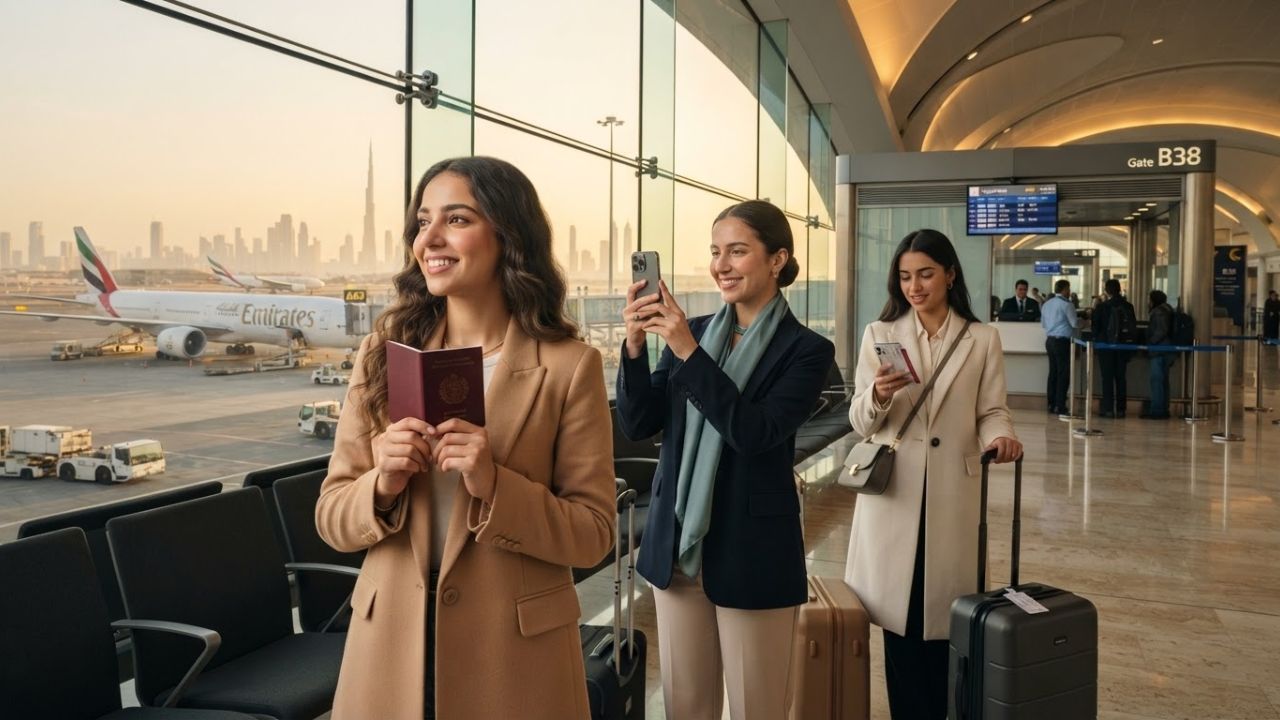
Image generated by AI
Emirati carriers flydubai and Emirates have resumed flight operations through Iranian airspace, establishing more direct routes and improving transit times across the Middle East. The first milestone was achieved when a flydubai Boeing 737 MAX 8, operating flight FZ709 from Dubai to Baku, crossed Iranian skies, reducing the journey time to approximately 3 hours and 10 minutes and saving nearly 40 minutes compared to alternative corridors.
Air Route Integration and the Dubai-Baku Flight Milestone
The return of UAE carriers to Iranian airspace represents a significant step in the post-pandemic recovery of Middle Eastern aviation. The decision by civil aviation authorities to clear flight paths through Iranian skies allows airlines to bypass longer, more expensive detours. The first operational milestone was recorded when flydubai flight FZ709, operated by a Boeing 737 MAX 8 aircraft, completed its journey from Dubai to Baku, Azerbaijan, using the restored air corridor.
According to flydubai's operational team, flight FZ709 has operated as a daily service using their modern Boeing 737 MAX 8 fleet. The airline's pilots received updated navigation charts and instructions from the Iranian Civil Aviation Organization to ensure smooth transition across the northern entry points. The success of this initial routing paved the way for other scheduled flights to Caucasus destinations, including Tbilisi and Yerevan, to request similar flight path approvals. The flight was completed in approximately 3 hours and 10 minutes, representing a substantial time savings compared to the previous routing through Iraqi airspace, which averaged 3 hours and 50 minutes. Saving nearly 40 minutes of flight time directly improves operational efficiency, allowing flydubai to reduce fuel consumption and optimize crew schedules. For international travelers, the shorter flight route offers more convenient connections and reduces the overall transit time when traveling between the Gulf and the Caucasus region.
Strategic Roles of flydubai and Emirates in Gulf Transit
As two of the world's leading aviation brands, flydubai and Emirates play a major role in connecting global travelers through their primary hub at Dubai International Airport. The ability to utilize more direct flight corridors supports Dubai's position as a major international travel center. By restoring efficient transit routes, these airlines can offer passenger schedules that are more reliable and competitive on the global stage.
Emirates has also adjusted several of its European bound routes, utilizing the Iranian corridor for flights to Vienna, Prague, and Munich. By integrating flydubai's narrow-body operations with Emirates' wide-body Boeing 777 and Airbus A380 fleets, the two airlines can offer seamless codeshare itineraries with shorter layover times at Dubai International Airport. This integration increases passenger loyalty program options and strengthens the UAE's overall market share in the transatlantic transit sector. The resumption of flights through Iranian airspace also enhances aircraft utilization rates, allowing both airlines to operate more frequent departures with their existing fleets. This operational flexibility is essential for accommodating the growing demand for transit travel in 2026. The improvement in flight efficiency supports the broader recovery of the regional aviation sector, proving that airspace accessibility is a key driver of international travel confidence.
Airspace Geography and Regional Flight Corridors
The geographical position of Iran makes its airspace a vital transit corridor for flights connecting the Gulf cooperation countries with Central Asia, the Caucasus, and parts of Europe. When airlines are forced to avoid this corridor, flights must be rerouted through alternative airspace in Iraq, Saudi Arabia, or Turkey. These detours not only increase flight times but also create airspace congestion, leading to potential delays across the entire network.
The return to selected overflights through Iranian airspace allows regional carriers to re-establish optimal flight paths. This operational change reduces the complexity of regional flight planning and helps minimize carbon emissions by shortening flight distances. The reopening of these routes demonstrates how diplomatic coordination and aviation safety assessments work together to maintain global transport infrastructure.
Azerbaijan and Caucasus Tourism Gains from Air Link Upgrades
Azerbaijan is one of the primary destinations benefiting from the restored air links, particularly the direct Dubai-Baku corridor. The country’s capital, Baku, has emerged as a popular destination for Gulf travelers, offering a unique blend of historical architecture and modern attractions. The reduction in flight times makes Baku an attractive option for weekend breaks, short holidays, and business travel.
The improved connectivity supports multiple tourism segments, including cultural tourism, leisure travel, and regional tour packages. Baku’s position as a transit bridge between Europe and Asia is strengthened by these direct air links, encouraging more international travelers to stop over in Azerbaijan. The growth in visitor arrivals from the Gulf region directly benefits local hotels, restaurants, tour operators, and transport providers in Baku, supporting the regional hospitality economy.
Visitor Guide: Local Dining in Baku, Cultural Customs, and Transit Rules
Visiting Baku and exploring the historic sites of Azerbaijan requires preparation regarding travel documents, local customs, and regional specialties. By following official guidelines, travelers can ensure a smooth and authentic experience.
Before traveling, most international visitors must obtain an e-visa through the official ASAN Visa portal. Standard processing takes approximately three working days, while an urgent e-visa option is available for approval within three hours for last-minute travel. The tourist e-visa is typically valid for a single-entry stay of up to 30 days. Ensure your passport remains valid for at least six months from your planned arrival date in Baku.
When exploring the city, visit the historic Maiden Tower in the heart of the Old City (Icherisheher), a UNESCO World Heritage site. Climb the narrow stone steps to the top for a panoramic view of the Caspian Sea and the Old City. Wear comfortable, slip-resistant shoes, as the historic stairs are steep and uneven.
For an authentic taste of Azerbaijani cuisine, try Plov (pilaf), the signature saffron-flavored rice dish cooked with lamb, dried apricots, prunes, and chestnuts, often served with a crispy bottom crust called gazmag. Try Kutab, a thin, crescent-shaped flatbread filled with fresh herbs, spinach, cheese, or minced meat. Enjoy hot black tea served in traditional armudu (pear-shaped) glasses, which is a key social custom in Baku. Greet locals with a friendly "salaam," and dress modestly by covering shoulders and knees when visiting mosques or historical religious sites. Avoid political discussions regarding regional conflicts, and never take photographs of military or government facilities.
Future Outlook: Rebuilding Resilient Regional Air Transport Networks
The return of flydubai and Emirates to Iranian airspace routes represents a positive development for Middle Eastern aviation and international tourism. As flight networks become more efficient, destinations connected through Gulf aviation hubs will continue to experience growth in passenger arrivals.
The International Air Transport Association (IATA) has welcomed the return of these routes, noting that shorter flight paths contribute significantly to the global aviation industry's goal of achieving net-zero carbon emissions by 2050. As fuel costs remain high, the ability to shave 40 minutes off regional routes provides immediate financial relief to carriers. Continued cooperation between Middle Eastern civil aviation authorities remains essential to keep these corridors open and safe for global commercial traffic. Ultimately, the long-term sustainability of the regional travel sector depends on maintaining open, safe, and efficient air corridors. By prioritizing flight path optimization, reducing fuel consumption, and expanding direct connectivity to emerging destinations like Baku, Gulf carriers are building a more resilient foundation for the global aviation industry. This cooperation between aviation authorities and airlines ensures that international transit remains efficient and accessible for travelers worldwide.
Related Travel Guides
Disclaimer
This article is for informational and educational purposes only. It does not constitute legal, financial, or professional advice. While we strive to provide accurate and up-to-date information, travel policies, regulations, and conditions change rapidly. Always verify information with official sources before making travel decisions. Nomad Lawyer makes no representations about the accuracy, reliability, completeness, or suitability of the information provided. Readers should consult qualified professionals for advice specific to their circumstances. The views expressed in this article are those of the author and do not necessarily reflect the views of Nomad Lawyer.
Raushan Kumar
Founder & Lead Developer
Full-stack developer with 11+ years of experience and a passionate traveller. Raushan built Nomad Lawyer from the ground up with a vision to create the best travel and law experience on the web.
Learn more about our team →