
Florida Wildfires Halt Amtrak Routes, Stranding Hundreds of Passengers
Fast-moving wildfires near Clay and Putnam County forced Amtrak to halt multiple routes in 2026, leaving hundreds of passengers stranded on trains for up to 24 hours in remote Florida locations.

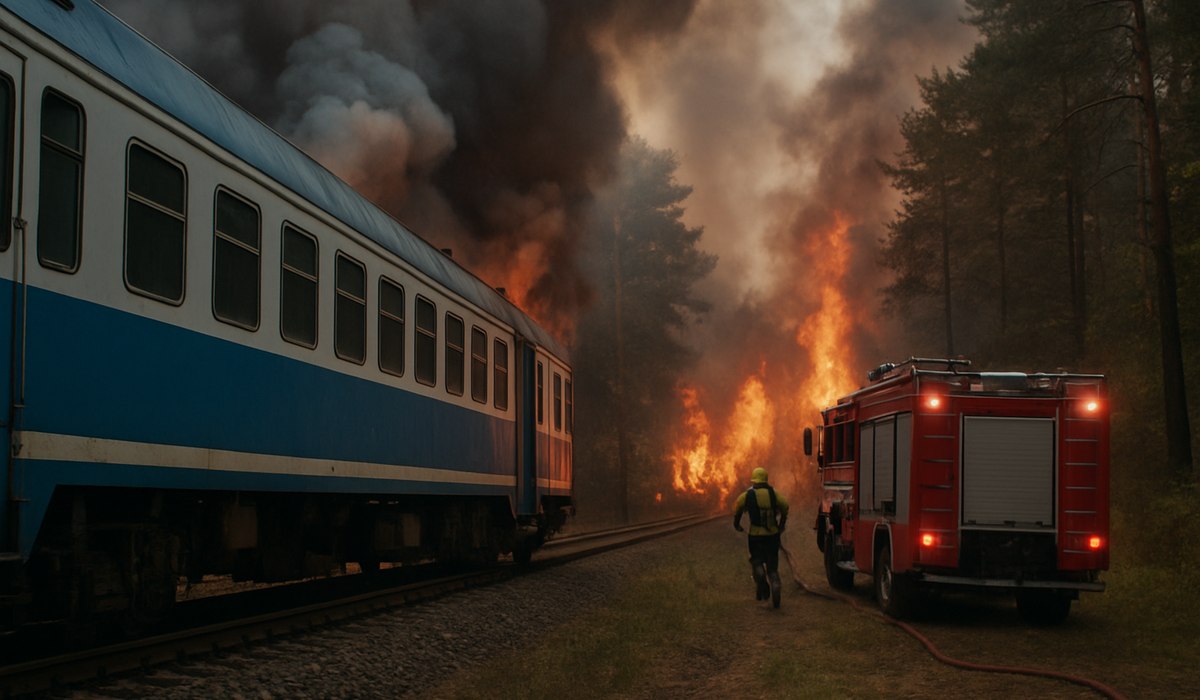
Image generated by AI
Wildfires Force Critical Amtrak Halt on Florida's Busiest Corridor
Amtrak suspended multiple long-distance services along Florida's Clay and Putnam County line this week after fast-moving wildfires threatened key rail infrastructure. The wildfire complex, which intensified over the weekend, burned thousands of acres adjacent to a crucial freight and passenger corridor connecting Miami to the Northeast. Dispatchers halted all rail movements through the affected stretch, forcing the Silver Meteor (Miami to New York), the Auto Train (Sanford to Lorton, Virginia), and other long-distance services to stop completely. Hundreds of passengers experienced unexpected delays exceeding 24 hours while emergency crews worked to contain the fires and secure the tracks for safe resumed operations.
Florida Wildfires Halt Service: What Happened on the Tracks
The wildfire situation developed rapidly as dry spring conditions, gusty winds, and warm temperatures created ideal conditions for fast-spreading fires across northern Florida. The Clay and Putnam County complex grew to encompass thousands of acres, with flames burning on both sides of the rail corridor in multiple sections. Fire crews prioritized containment operations, requiring railroad dispatchers to implement a complete operational freeze to ensure passenger safety.
According to operational data and verified media reports, smoke and fire conditions made continued train movements unsafe during peak fire activity. On-board Amtrak staff were instructed to keep passengers in place rather than risk exposure to hazardous conditions. Power, lighting, and basic services remained operational throughout the extended stops, though passengers faced mounting frustration as hours passed without clear movement timelines.
The decision to halt traffic, while operationally necessary, cascaded through Amtrak's entire eastern network. Dispatchers worked around closed track segments and prioritized equipment repositioning to restore services once fire conditions improved enough for limited movements.
Multiple Long-Distance Services Affected Including Silver Meteor
The disruption impacted several of Amtrak's flagship routes operating through Florida. The Silver Meteor, which typically runs daily between Miami and New York Penn Station, was rerouted to operate only between Jacksonville and the Northeast, with its South Florida segment suspended entirely. The Auto Train, a popular service connecting Sanford, Florida with Lorton, Virginia, faced complete cancellations on select dates as crews waited for track clearance.
Additional long-distance services connecting Miami and Chicago via Washington were temporarily shortened to depart from and terminate in Savannah, Georgia. This arrangement eliminated the full South Florida segment from their published schedules, affecting passengers planning to board in Miami, Tampa, or other southern Florida stations.
Amtrak implemented bus bridges on short notice to provide passenger transportation between Jacksonville and South Florida for select departures. However, these interim solutions offered significantly limited capacity and extended journey times compared to rail travel. Many travelers booked on affected departures faced cancellations, rerouting, or unexpected overnight stays at hotels while awaiting service restoration. For cruise passengers and those with tight connections to flights, the delays created substantial complications and additional costs.
You can check the latest Amtrak service updates on their official website for current route status and booking modifications.
Passengers Endure Extended Delays Without Clear Information
Stranded passengers reported spending 18 to 24 hours on stationary trains with minimal communication about when movement would resume. One northbound service halted near DeLand, remaining in place through most of the day and night. Another train stopped closer to Palatka as wildfire conditions deteriorated in the surrounding area.
The extended stops created significant frustration, particularly as hours accumulated without definitive timelines. Passengers documented food supply challenges, difficulties for families traveling with small children and pets, and concerns about access to medication and fresh air within crowded rail cars. Many travelers expressed anxiety about being stranded on open track several miles from public roads, unable to disembark safely.
Despite these hardships, Amtrak crews maintained onboard services and coordinated continuously with operations centers to secure clearance for movement. Once fire conditions improved sufficiently, operations resumed through carefully controlled movements. Some stalled trains reversed direction to reach stations where passengers could disembark, while others were rerouted through alternative segments of the network.
Safety Concerns Keep Trains Stationary in Remote Areas
Railroad safety protocols require complete operational halts when flames threaten track integrity or visibility becomes compromised by heavy smoke. During the Clay and Putnam County wildfire event, dispatchers determined that continued train movements posed unacceptable risks to passengers and crew. Flames burning on both sides of the corridor created conditions incompatible with safe operations.
Federal transportation analyses have previously documented how wildfires and wildfire smoke can impair visibility, damage rail infrastructure, and necessitate sudden line closures when flames approach rights of way. These incidents create cascading delays across regional and national rail networks, affecting passengers far beyond the immediate fire zone.
The decision to keep trains stationary, though operationally conservative, reflected prioritization of passenger safety over schedule adherence. Amtrak staff monitored developing conditions hourly and coordinated with emergency management officials to determine when clearance could be granted. This careful approach prevented potential catastrophic incidents but resulted in extended passenger waits in remote locations.
How to Book the Best Fare
When booking rail travel through Florida or other fire-prone regions, consider these strategies to secure favorable pricing while maintaining flexibility:
Advance Booking Strategy: Purchase tickets 7-14 days ahead of travel to access discounted rail fares. Early bookings typically offer 15-30% savings compared to last-minute purchases.
Flexible Date Options: If your travel dates allow flexibility, compare fares across a 3-5 day range. Mid-week departures often feature lower prices than weekend services.
Route Alternatives: Evaluate multiple station options. Boarding from smaller regional stations sometimes yields lower fares than departing from major terminals like Miami or Jacksonville.
Refundable vs. Non-Refundable: Given wildfire risk and climate-related disruptions, consider purchasing refundable tickets during spring and summer months. The premium ensures protection if service changes occur.
Loyalty Programs: Amtrak Guest Rewards members receive discounted fares and additional benefits. Enrolling before booking can yield immediate savings.
Book your tickets through Trainline, which compares multiple rail operators and displays real-time availability across European and select US routes. You can also visit Amtrak's official booking portal directly for domestic US rail service.
Key Facts: Florida Wildfires Halt Rail Operations
| Aspect | Details |
|---|---|
| Location | Clay and Putnam County line, northern Florida |
| Services Affected | Silver Meteor, Auto Train, Miami-Chicago service |
| Passenger Delay Duration | 18-24 hours on stationary trains |
| Track Closure Period | Approximately 24+ hours during peak fire activity |
| Acres Burned | Thousands across the complex |
| Cause of Halt | Safety protocols triggered by flames and smoke near tracks |
| Alternative Transport | Limited bus bridges between Jacksonville and South Florida |
| Service Restoration | Phased approach with Jacksonville-Northeast corridor operating first |
What This Means for Travelers
The Florida wildfires halt situation demonstrates important lessons for anyone planning rail travel:
-
Monitor Weather and Fire Conditions: Before booking long-distance rail journeys through fire-prone regions, check current fire status and weather forecasts. Subscribe to Amtrak alerts for advance notice of potential disruptions.
-
Build Schedule Flexibility: If traveling during spring or summer months through areas with wildfire risk, allocate extra travel time in your itinerary. Arrive at final destinations
Disclaimer
This article is for informational and educational purposes only. It does not constitute legal, financial, or professional advice. While we strive to provide accurate and up-to-date information, travel policies, regulations, and conditions change rapidly. Always verify information with official sources before making travel decisions. Nomad Lawyer makes no representations about the accuracy, reliability, completeness, or suitability of the information provided. Readers should consult qualified professionals for advice specific to their circumstances. The views expressed in this article are those of the author and do not necessarily reflect the views of Nomad Lawyer.
Preeti Gunjan
Contributor & Community Manager
A passionate traveller and community builder. Preeti helps grow the Nomad Lawyer community, fostering engagement and bringing the reader experience to life.
Learn more about our team →