
Florida Once Thriving Wellness Resort Preserved as Historic Park
A crumbling early 20th-century mineral springs resort in Florida once thriving as an elite wellness destination now stands frozen in time. Stone ruins preserved in a scenic park reveal forgotten chapters of American spa history and wellness tourism from 2026's perspective.

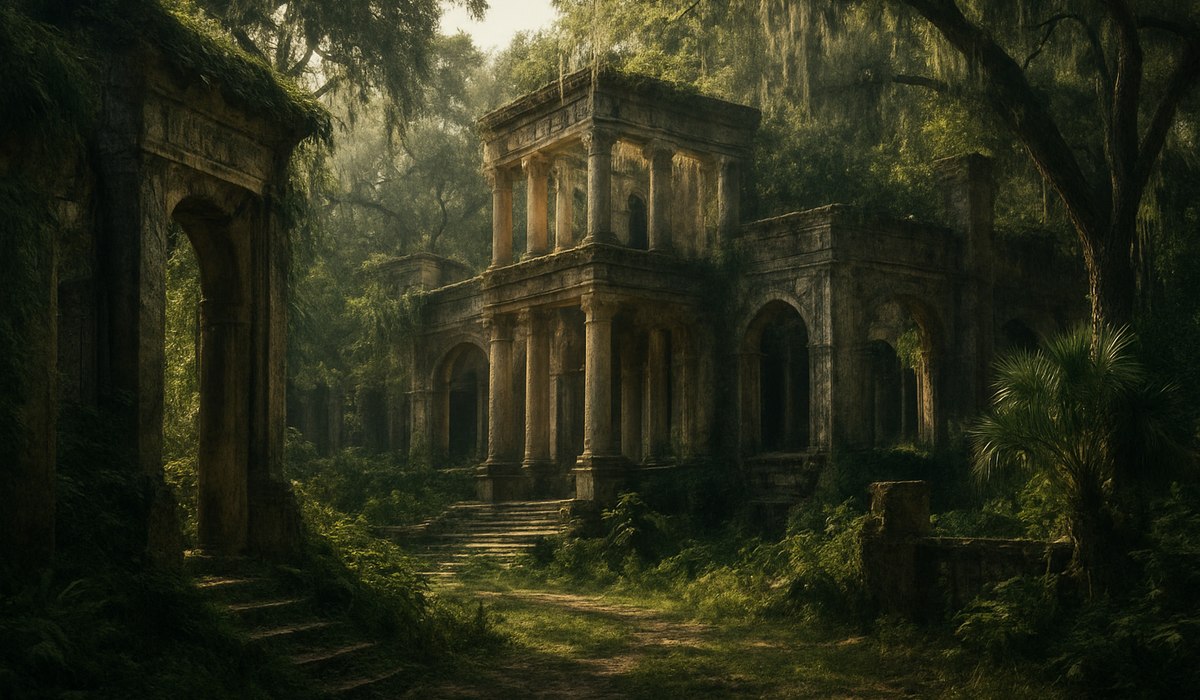
Image generated by AI
Florida's Historic Mineral Springs Resort Emerges as Wellness Tourism Landmark
A once-grand mineral springs resort in central Florida—long abandoned—now stands as a haunting reminder of the state's golden age wellness heritage. The crumbling stone structures, preserved within a quiet historic park, tell the story of early 20th-century America's obsession with natural healing waters and luxury spa experiences. This architectural ghost town offers modern travelers an unexpected window into how wellness tourism shaped Florida's economy and cultural identity during a transformative historical period. The remains highlight how rapidly destinations can shift when economic tides change and newer attractions emerge elsewhere.
The Rise of Florida's Golden Age Wellness Resorts
During the late 1800s and early 1900s, Florida became synonymous with mineral spring tourism and wellness retreats. Entrepreneurs discovered natural hot springs and mineral-rich waters throughout the peninsula, transforming remote areas into exclusive destinations where wealthy Americans sought healing and rejuvenation. These resorts represented cutting-edge wellness concepts—visitors believed mineral waters could cure arthritis, rheumatism, and various ailments that modern medicine couldn't address.
The architecture reflected opulence: grand Victorian hotels, ornate bathhouses, manicured gardens, and sophisticated infrastructure. Marketing campaigns promised transformation and vitality, drawing celebrities, industrialists, and aristocrats to Florida's interior. The resort industry became economically vital, creating employment and spurring development. Communities thrived around these wellness destinations, with supporting services and attractions clustering nearby. Florida's historical tourism board documents detail how these wellness resorts fundamentally restructured the state's identity from frontier territory to cosmopolitan destination for health-conscious travelers seeking natural cures and luxury hospitality.
From Flourishing Destination to Forgotten Ruins
The decline came gradually, then suddenly. By the 1920s and 1930s, medical science advanced, reducing belief in mineral water cures. Simultaneously, newer tourist attractions—particularly beach resorts and theme parks—captured public imagination and investment capital. The original wellness resort's operational model became economically unsustainable as visitor numbers dwindled.
Key factors accelerated abandonment: changing transportation patterns diverted travelers to coastal areas, pharmaceutical breakthroughs diminished faith in natural treatments, and resort owners couldn't compete with newer, modernized facilities. The property eventually closed, structures deteriorated, and nature reclaimed portions of the grounds. For decades, the ruins remained largely forgotten, acknowledged by local historians but overlooked by mainstream tourism. The stone buildings withstood weather and time, creating an accidental preservation that fascinates visitors today. This trajectory mirrors broader patterns in American hospitality—once-thriving destinations abandoned when consumer preferences shift fundamentally. The ruins serve as temporal markers, showing exactly when prosperity ended and decline began through architectural decay patterns.
Exploring the Hauntingly Preserved Park Today
The historic park now welcomes visitors seeking authentic glimpses into Florida's past. Stone walls, foundation remnants, and decorative architectural elements remain visible throughout the property. Walking trails guide explorers through the former resort grounds, interpreting signage explaining original structures and their historical purpose. Visitors encounter bathhouse foundations, guest cottage ruins, and the main building's skeletal stone framework—each element telling part of the larger wellness resort narrative.
The natural landscape has partially reclaimed the area, with native vegetation growing around and through structures. This creates an evocative aesthetic that photographers and history enthusiasts find compelling. The park operates as a low-key historical site, requiring minimal admission fees and offering peaceful, uncrowded experiences—quite different from Florida's typical tourist attractions. Rangers and volunteers maintain the property, stabilizing structures and preventing further deterioration. Educational programs explain early 20th-century wellness concepts, spa culture, and the resort's operational details. Seasonal events occasionally occur at the park, drawing history buffs and curious travelers interested in understanding abandoned Americana. The setting provides contemplative space for reflecting on historical change and the impermanence of even seemingly permanent enterprises.
What Guests Get
Visitors to this historic preservation site experience immersive historical education combined with outdoor recreation in an atmospheric setting. The primary offerings include:
- Guided interpretation trails explaining original building purposes and wellness treatment practices
- Unobstructed photography opportunities capturing authentic ruins against natural landscape backgrounds
- Educational signage detailing early 20th-century spa culture and mineral water beliefs
- Peaceful grounds providing respite from Florida's typical crowded attractions
- Seasonal historical programs featuring local historians and period-appropriate demonstrations
- Accessible visitor facilities including parking, restrooms, and visitor centers
The experience centers on authentic historical immersion rather than developed amenities, attracting travelers seeking substantive cultural engagement over passive tourism.
Historical Data and Preservation Facts
| Aspect | Details |
|---|---|
| Original Construction Period | Late 1890s–early 1900s |
| Peak Operational Years | 1905–1925 |
| Primary Amenity | Natural mineral spring waters with therapeutic properties |
| Peak Annual Visitors | Estimated 8,000–12,000 wealthy clients |
| Final Operating Year | 1932 |
| Closure Duration | Nearly 60 years before preservation efforts began |
| Current Status | Protected historic site with ongoing stabilization efforts |
| Park Management | Local historical society and state preservation grant funding |
What This Means for Travelers
Modern visitors exploring this Florida once thriving wellness destination can extract valuable insights about hospitality evolution and sustainable tourism:
-
Understand wellness tourism cycles: Recognition that health-focused travel trends shift with medical advances and consumer preferences helps travelers appreciate contemporary wellness offerings as potentially temporary market phenomena rather than permanent industry fixtures.
-
Discover hidden Florida history: Beyond beaches and theme parks, Florida contains layered historical narratives accessible through smaller historic sites offering authentic cultural engagement and learning opportunities.
-
Experience authentic abandonment: Genuine abandoned structures provide visceral historical education unavailable through reconstructed exhibits, creating memorable learning experiences that connect past to present.
-
Plan contemplative alternatives: This park offers peaceful alternatives to high-volume Florida attractions, appealing to travelers seeking quieter, more introspective experiences in natural settings.
-
Document personal travel narratives: The atmospheric setting and historical significance create meaningful photography and journaling opportunities for travelers maintaining personal travel records or cultural documentation projects.
Frequently Asked Questions
What specific treatments did the original mineral spring resort offer? Early 20th-century practitioners administered mineral water baths, drinking treatments, and inhalation therapies targeting arthritis, rheumatism, skin conditions, and respiratory ailments. Guests also received massage services, thermal mud treatments, and dietary recommendations aligned with period wellness philosophies. Records indicate treatments lasting 3–6 weeks with residential accommodations included.
How far is this historic park from major Florida cities? The site locates approximately 90 minutes from Orlando, 2.5 hours from Tampa, and 3 hours from Jacksonville, making it accessible for day trips from central Florida's population centers. Regional highways connect directly to the park, though advance planning ensures efficient travel logistics.
Are the ruins structurally safe for visitor exploration? Yes, stabilized sections remain accessible via marked trails. Unstable areas are cordoned off with clear safety signage. Visitors should stay on designated paths and respect barriers. The park maintains regular safety inspections ensuring visitor protection while preserving historical integrity.
What's the best time to visit for photography and research purposes? Early morning hours offer optimal lighting and minimal crowds. Fall and winter months provide comfortable temperatures for extended exploration. Spring and summer attract more visitors but offer lush vegetation contextualizing how nature reclaims structures. Timing depends on photographic preferences and crowd tolerance.
Related Travel Guides
- [Discovering Florida's Hidden Historical Attractions Beyond Theme Parks](/destination-
Disclaimer
This article is for informational and educational purposes only. It does not constitute legal, financial, or professional advice. While we strive to provide accurate and up-to-date information, travel policies, regulations, and conditions change rapidly. Always verify information with official sources before making travel decisions. Nomad Lawyer makes no representations about the accuracy, reliability, completeness, or suitability of the information provided. Readers should consult qualified professionals for advice specific to their circumstances. The views expressed in this article are those of the author and do not necessarily reflect the views of Nomad Lawyer.
Preeti Gunjan
Contributor & Community Manager
A passionate traveller and community builder. Preeti helps grow the Nomad Lawyer community, fostering engagement and bringing the reader experience to life.
Learn more about our team →