
Flight turmoil hits Sun Belt hubs, stranding hundreds across 2026 spring travel
Flight turmoil hits Sun Belt airline hubs as cascading delays and crew scheduling issues strand 477 passengers across four states during peak spring travel season in 2026.

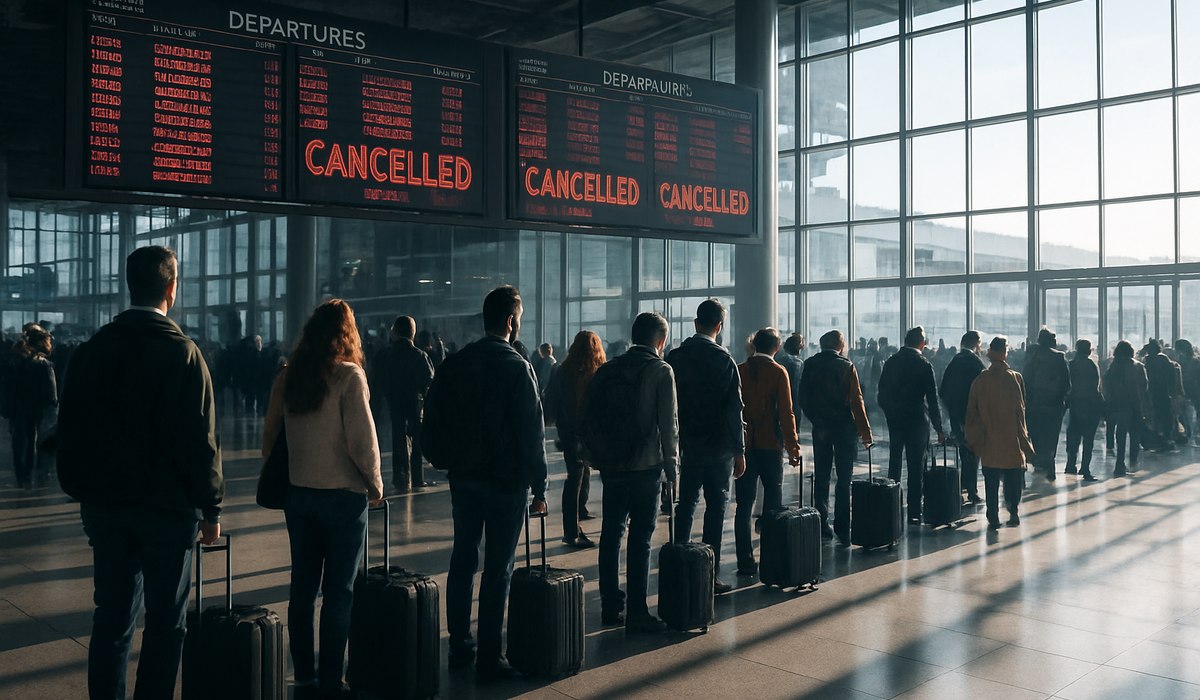
Image generated by AI
Cascading Delays Strike Major Sun Belt Airports, Impacting Spring Travel
Flight turmoil hits key hubs across Texas, Georgia, and Florida as operational disruptions ripple through the U.S. airline network during peak spring travel season. Approximately 477 passengers have been stranded across four Sun Belt states after a combination of severe weather, tight crew scheduling, and network congestion created a perfect storm of cascading delays and cancellations. The disruptions centered on major connecting hubs including Dallas Fort Worth International, Houston Intercontinental, Atlanta Hartsfield-Jackson, and Orlando International airports—all critical waypoints for cross-country and regional traffic flows. This latest crisis exposes how fragile U.S. airline operations have become when multiple stressors converge simultaneously, particularly during high-demand travel periods.
Sun Belt Airport Disruptions Spread Across Four States
The geographic breadth of this operational crisis demonstrates how interconnected modern airline networks have become. When flight turmoil hits one major hub, the consequences extend far beyond local airport boundaries. Dallas Fort Worth International experienced rolling delays affecting evening departures, while Houston's connecting banks faced extended ground stops. Atlanta's massive hub—already managing some of North America's highest daily passenger volumes—saw cascading effects that lasted well into the following day.
Austin-Bergstrom and San Antonio International airports, though smaller than their Texas counterparts, still managed substantial connecting traffic impacted by the wider disruption pattern. Secondary airports across Georgia and Florida also reported schedule degradation as aircraft and crew assignments fell out of sync across the region. The concentration of disruptions at multiple hubs simultaneously created a bottleneck effect where rebooking options became severely limited.
For travelers, this dispersed geographic impact meant stranded passengers couldn't simply drive to an alternate airport for same-day recovery. Many faced overnight hotel stays or terminal accommodations, compounding travel costs and adding significant inconvenience during an already stressful period.
Cascading Delays Ripple Through Texas and Southeast Hubs
The mechanics of how flight turmoil hits modern airline networks involve understanding aircraft rotation and crew scheduling. Each aircraft operates multiple flight segments per day—a Dallas to Chicago flight might continue to Boston, then return to Dallas by evening. When the first flight in that chain runs late due to weather or air traffic control delays, subsequent flights slip backward through the day.
Crew duty limits, federally mandated rest periods, and scheduling constraints mean airlines have minimal buffer capacity. A crew that was scheduled to depart Dallas at 8 p.m. for a 2-hour flight to Denver cannot legally operate that flight if their duty clock indicates they'd exceed allowed working hours. The airline must either cancel the flight or call in a spare crew—if one exists. During peak periods, spare crews are already deployed elsewhere.
The belt of major Sun Belt hubs—Dallas, Houston, Atlanta—handle such tremendous daily volume that even minor delays create immediate downstream chaos. A 90-minute arrival delay on an inbound aircraft cancels three subsequent flights. Each cancellation affects 150-200 passengers on average. Within hours, hundreds of passengers find themselves without same-day departure options, forced to accept hotel vouchers and rebooking on flights 24-48 hours away.
Texas airports, which process some of America's heaviest connecting traffic, bore the brunt of this particular disruption cycle. Southeast hubs like Atlanta and Jacksonville experienced secondary effects as stranded passengers attempting to reach connecting flights elsewhere in the region made alternative arrangements through other carriers or ground transportation.
Weather and Crew Scheduling Strain Already Tight Operations
Spring thunderstorm activity across the central and southern United States created significant headwinds for airline operations. Convective weather prompted Federal Aviation Administration traffic management initiatives that reduced arrival rates into Sun Belt airports by 20-30% during peak afternoon hours. Reduced arrival rates mean fewer aircraft available for evening departures when most connecting traffic concentrates.
Simultaneously, airlines continue operating with historically tight crew scheduling margins. Post-pandemic recovery left crews fatigued, and competitive labor markets make recruiting and training new crew members slower than demand growth. When established crews call in sick or reach duty limits, airlines lack adequate backups—particularly at secondary airports where crew bases are smaller.
This confluence of weather impacts and crew availability constraints created the conditions where flight turmoil hits spread so rapidly. A single severe weather cell could ground operations for 45 minutes, pushing dozens of departures past crew duty limits. Each crew reassignment cascaded through multiple aircraft, affecting routes touching five or six states before the day ended.
Airlines attempted tactical responses—offering passenger incentives for voluntary rebooking, requesting crew overtime, and requesting FAA relief from standard procedures—but the disruption had already gained momentum. By the time decision-makers recognized the severity, hundreds of passengers were already stranded across the region.
What Travelers Should Know During Peak Spring Travel
Spring represents peak leisure travel season when airlines operate with minimal schedule slack. April specifically sees families planning Easter breaks, couples booking spring getaways, and business travelers maximizing spring conference season. This high-demand period means aircraft and crews operate near maximum utilization, leaving little buffer for disruptions.
Monitor your flight status through real-time tracking tools like FlightAware at least 24 hours before travel. Check weather forecasts for both your departure and arrival airports—spring thunderstorms can develop rapidly. Consider booking earlier flights when possible, as morning departures face fewer cascading delay risks than evening flights.
Understand your passenger rights under Department of Transportation regulations. The U.S. Department of Transportation's consumer protection page outlines compensation eligibility and accommodation requirements when flights are delayed or canceled due to airline scheduling decisions. Airlines must offer meal vouchers, hotel accommodations, and ground transportation when irregular operations strand passengers.
Purchase travel insurance that specifically covers airline schedule changes and provides rebooking assistance. Many standard travel insurance policies exclude airline-caused disruptions, so review your coverage carefully. Travel insurance with automatic rebooking assistance can save hours managing customer service calls across multiple airlines.
Traveler Action Checklist
- Monitor departure airports: Check FlightAware daily for your flight's status, arrival delays, and equipment changes.
- Verify weather forecasts: Review severe weather potential for departure, arrival, and major connecting hub airports 48 hours before travel.
- Understand your rights: Review DOT consumer protections before departure to know your compensation eligibility.
- Check with your airline: Contact your carrier directly before heading to the airport if any schedule changes occur.
- Arrange backup plans: Identify alternative connecting airports or ground transportation routes if your primary routing becomes disrupted.
- Keep documentation: Save all receipts for meals, hotels, and transportation claims related to schedule disruptions.
- File compensation claims: Submit claims to the airline within 30 days of disruption incidents using DOT guidelines.
Key Data: Sun Belt Flight Disruption Impact Summary
| Metric | Details |
|---|---|
| Passengers Stranded | 477 across four states |
| Primary Affected Airports | Dallas Fort Worth, Houston, Atlanta, Orlando |
| Estimated Flights Canceled | 45-60 flights across April 12 |
| Average Delay Duration | 2-4 hours (cascading effects extended to 12+ hours) |
| Primary Cause | Thunderstorm activity + crew scheduling constraints |
| Average Passengers Per Flight | 150-180 (narrow-body aircraft) |
| Hotel Accommodations Required | 300+ passenger-nights |
| Recovery Timeline | 18-36 hours for most passengers |
Frequently Asked Questions About Sun Belt Flight Disruptions
What caused the Sun Belt airport disruptions? Severe spring thunderstorms across the central United States triggered Federal Aviation Administration traffic management
Disclaimer
This article is for informational and educational purposes only. It does not constitute legal, financial, or professional advice. While we strive to provide accurate and up-to-date information, travel policies, regulations, and conditions change rapidly. Always verify information with official sources before making travel decisions. Nomad Lawyer makes no representations about the accuracy, reliability, completeness, or suitability of the information provided. Readers should consult qualified professionals for advice specific to their circumstances. The views expressed in this article are those of the author and do not necessarily reflect the views of Nomad Lawyer.
Kunal K Choudhary
Co-Founder & Contributor
A passionate traveller and tech enthusiast. Kunal contributes to the vision and growth of Nomad Lawyer, bringing fresh perspectives and driving the community forward.
Learn more about our team →