
Flight Disruptions Snarl Departures at Washington Dulles on April 9
Flight disruptions snarl operations at Washington Dulles on April 9, 2026, with 44 delays and 7 cancellations affecting hundreds of passengers on transatlantic and domestic routes during peak spring travel season.

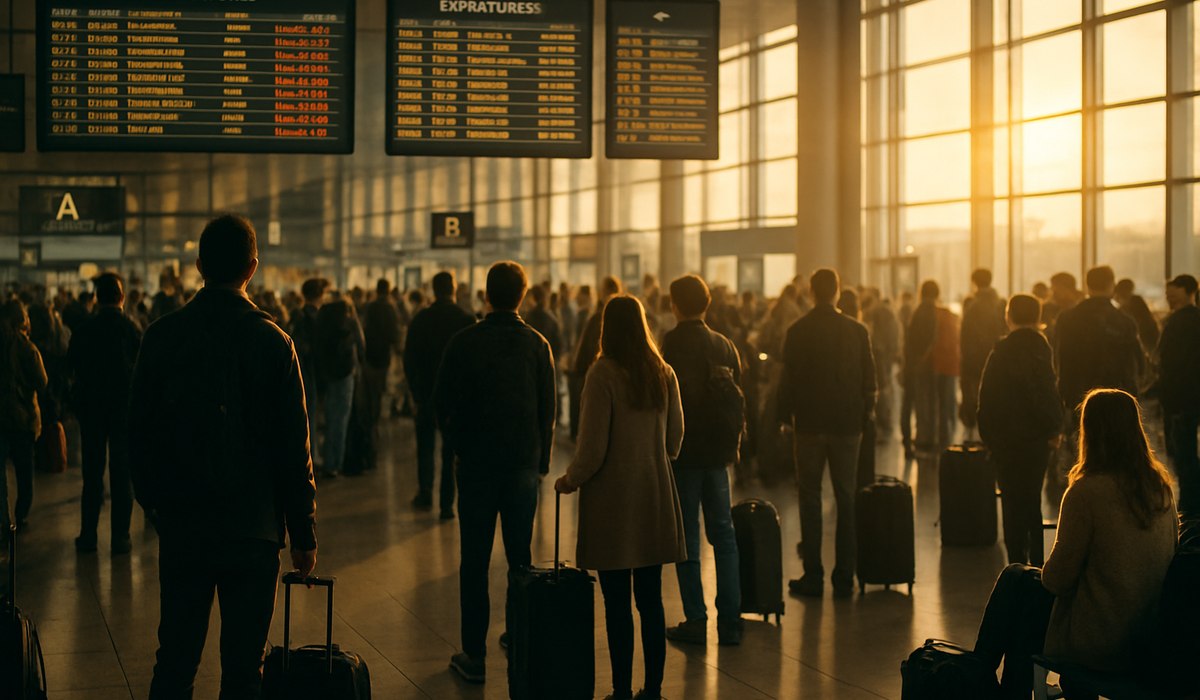
Image generated by AI
Spring Travel Surge Collides With Washington Dulles Operations Crisis
Washington Dulles International Airport ground to near-standstill on April 9, 2026, as flight disruptions snarl departures across critical transatlantic and domestic corridors. Flight tracking data reveals at least 44 flight delays and 7 cancellations affecting major carriers including United Airlines, Lufthansa, Virgin Atlantic, and regional operators. The cascading failures disrupted hundreds of passengers traveling to Europe, Texas, and across the continental United States during one of spring's busiest travel periods.
The April 9 disruptions at Dulles expose vulnerabilities in the U.S. aviation network that operators and regulators have long acknowledged but struggled to address. When operational stress concentrates at a major international hub during peak demand periods, the ripple effects extend far beyond a single airport's gates.
Why Spring Travel Surge Meets Operational Constraints
April represents a challenging inflection point for U.S. airlines and airports. Traditional winter weather threats recede, but the season remains volatile across much of North America. Simultaneously, leisure travelers capitalize on spring school breaks and favorable weather for European vacations, driving passenger volumes to levels that rival summer peaks.
Data from major U.S. hubs including New York, Los Angeles, Seattle, and Orlando documented thousands of delays throughout the week of April 9. This broader congestion pattern reveals an aviation system operating with minimal scheduling flexibility. Airlines have maximized aircraft utilization and crew assignments to reduce operating costs, leaving little margin for recovery when disruptions occur.
At Washington Dulles specifically, the concentration of international long-haul departures amplifies the impact of operational strain. A single delayed aircraft serving a transatlantic route can cascade through subsequent legs, compromising crew rest requirements and creating downstream cancellations. Tight crew rotations mean that staff unavailable due to schedule compression cannot easily cover unplanned absences or overtime demands.
Check FlightAware for real-time tracking of affected flights and current gate assignments during your travel.
Ripple Effects Across Major U.S. Hubs and International Routes
Flight disruptions snarl not only Dulles but reverberate through the entire North American-European aviation network. United Airlines and Lufthansa, which coordinate extensively on U.S.-Germany services through their Star Alliance partnership, reported significant disruptions on Munich and Frankfurt routes. These destinations serve as major connection points for passengers continuing to destinations across Europe, the Middle East, and Africa.
Virgin Atlantic's involvement in the disruption roster underscores Dulles' critical role in the Washington-to-London corridor, one of North America's most heavily traveled long-haul business and leisure routes. Cancellations or major delays on this high-volume service create compounding effects for passengers with onward connections through the United Kingdom or linking to domestic U.S. flights.
Domestic routes also suffered. Services to San Antonio and other regional destinations experienced delays traceable to the Dulles operational crisis. Passengers with tight connections faced cascading missed flights, transforming single delays into multi-day travel disruptions. The airport's role as a major connecting hub means that even passengers not originating from Washington faced consequences when their arriving flight experienced delays before beginning onward journeys.
European operational challenges contributed to the April 9 disruptions at Dulles. Frankfurt and Munich airports, central to Lufthansa's network, reported their own disruptions driven by weather, congestion, and staffing pressures. These European delays pushed aircraft arrivals into Washington behind schedule, eliminating buffer time in tight overnight rotation schedules. What begins as a weather-related delay in Germany can evolve into a cancellation in Washington within hours.
Why Dulles Is Particularly Vulnerable to Flight Disruptions
Washington Dulles International Airport occupies a unique position in the U.S. aviation network that magnifies disruption impacts. The facility serves as the primary transatlantic gateway for the nation's capital region and the primary Star Alliance hub for Washington, D.C., and surrounding markets. This concentration of long-haul international traffic means that operational problems affect not merely dozens of passengers but hundreds at a time.
The airport's geographic position also creates vulnerability. Located inland from coastal weather patterns but exposed to spring severe weather systems, Dulles faces frequent disruptions that other East Coast facilities might avoid. Wind shear, microbursts, and convective activity regularly impact the airport during spring months, forcing ground stops that disrupt carefully planned schedules.
Aircraft and crew positioning at Dulles follows patterns established by the dominant carriers' network architecture. When an aircraft becomes stranded due to mechanical issues or weather, the cascading effect on subsequent flights becomes amplified because the hub structure means that aircraft typically serves consecutive legs throughout the day. Crew fatigue limits, rest requirements, and minimum turnaround times create hard stops that cannot be negotiated, even when disruptions create operational incentives to exceed normal parameters.
Learn about your rights as an affected passenger by consulting the U.S. Department of Transportation consumer protection guidelines.
What This Means for Nomad Lawyers and Business Travelers
For the nomadic professionals who work across multiple time zones and jurisdictions, flight disruptions like those at Dulles create cascading complications beyond the immediate inconvenience. Missing a flight to a major international legal conference or client meeting can jeopardize professional relationships built over years. The April 9 disruptions particularly affected transatlantic travelers, meaning professionals heading to London, Frankfurt, or other European legal hubs faced substantial complications.
Business travelers also experience higher financial impacts from disruptions. Extended hotel stays, missed meetings, and rescheduled depositions or court appearances generate costs that far exceed the ticket price. For legal professionals billing by the hour, lost travel days represent direct revenue loss. Flight disruptions snarl not merely schedules but also practice economics.
The concentration of disruptions on European routes compounds the problem for traveling lawyers. A missed connection in London or Frankfurt can delay arrival at destination courts by a full day, potentially violating continuances or professional obligations. Alternative routing through different hubs might exist theoretically but may require 8-12 additional hours of travel, rendering rebooking on the same day impossible.
Remote work capabilities provide some mitigation, but critical professional activities require in-person attendance. Video depositions can substitute for some proceedings, but client meetings and court appearances demand physical presence. Flight disruptions snarl the carefully orchestrated schedules that international legal practice requires.
Key Data on the April 9 Disruptions at Washington Dulles
| Metric | Data Point |
|---|---|
| Flight Delays Recorded | 44+ flights delayed on April 9, 2026 |
| Cancellations | 7 flights cancelled |
| Primary Affected Carriers | United Airlines, Lufthansa, Virgin Atlantic |
| Major International Routes | Munich, Frankfurt, London departures |
| Domestic Routes Affected | San Antonio, other U.S. regional destinations |
| Estimated Passengers Impacted | 500+ passengers directly affected, thousands through connections |
| Peak Spring Travel Period | Early April, school breaks, Easter holiday week |
| Contributing Factors | Weather, crew staffing, tight rotations, European hub disruptions |
| Average Delay Duration | 90+ minutes reported on affected flights |
| Recovery Timeline | Ongoing as of April 10 publication |
Traveler Action Checklist for Flight Disruptions
If you are traveling through Washington Dulles during disruption periods or confronting delays and cancellations, follow these priority steps:
-
Check your airline's official website and app immediately rather than relying on airport announcements or social media. Airlines publish rebooking options directly through their systems.
-
Photograph your boarding pass and flight itinerary at the gate before discussing options with airline staff. Documentation proves the original flight
Disclaimer
This article is for informational and educational purposes only. It does not constitute legal, financial, or professional advice. While we strive to provide accurate and up-to-date information, travel policies, regulations, and conditions change rapidly. Always verify information with official sources before making travel decisions. Nomad Lawyer makes no representations about the accuracy, reliability, completeness, or suitability of the information provided. Readers should consult qualified professionals for advice specific to their circumstances. The views expressed in this article are those of the author and do not necessarily reflect the views of Nomad Lawyer.
Preeti Gunjan
Contributor & Community Manager
A passionate traveller and community builder. Preeti helps grow the Nomad Lawyer community, fostering engagement and bringing the reader experience to life.
Learn more about our team →