
Flight Disruptions Snarl Denver Hub as SkyWest-United Issues Cascade
Flight disruptions snarl operations at Denver International Airport on April 13, 2026, as SkyWest-operated United regional flights face cascading cancellations affecting routes to San Diego, Aspen, Vancouver, and Toronto during peak spring travel season.

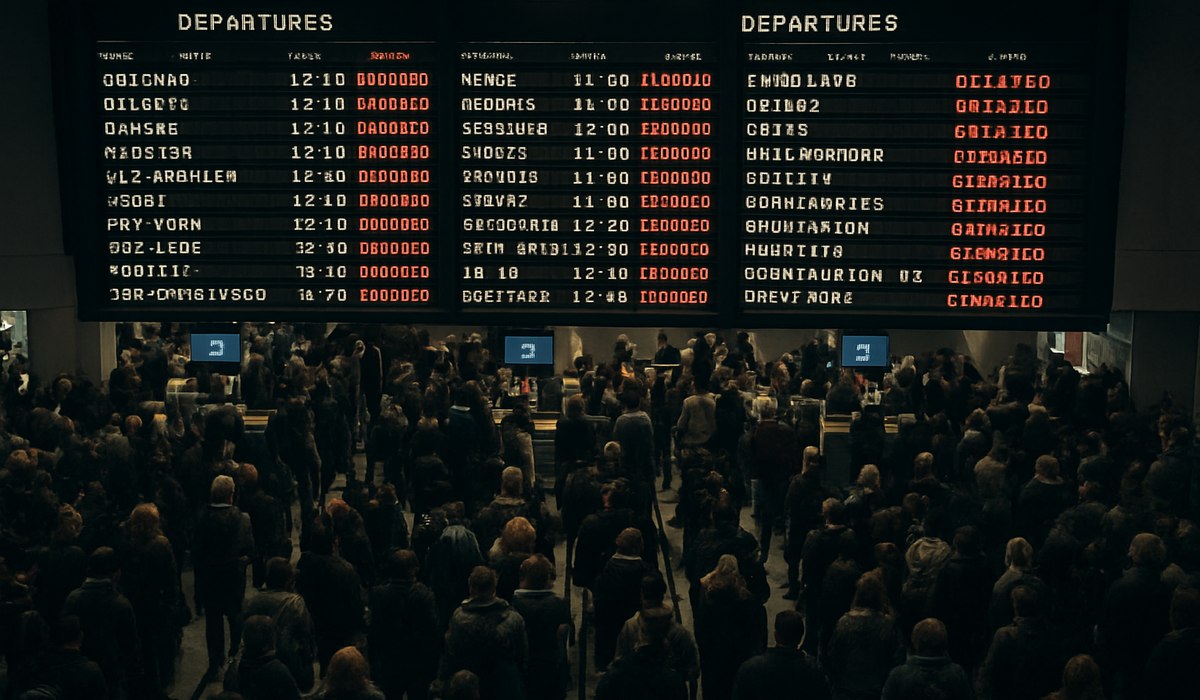
Image generated by AI
Cascading Flight Disruptions Hit Spring Travelers at Denver Hub
Denver International Airport emerged as a critical disruption hotspot on Monday, April 13, 2026, when SkyWest-operated United regional flights encountered multiple cancellations and rolling delays affecting major North American routes. The cascading flight disruptions snarl impacted connections to San Diego, Aspen, Vancouver, and Toronto during one of the busiest travel periods of the year. Multiple SkyWest-operated United services were canceled or significantly delayed, creating ripple effects across United's regional network and leaving thousands of passengers scrambling for rebooking options.
The disruptions underscore how regional partner operational issues can amplify network-wide traffic problems at major hub airports. Denver's central position in United's domestic and transborder service map means localized challenges quickly propagate across connecting routes.
Denver's Central Role in United's Regional Network
Denver International Airport functions as a critical hub for United Airlines' regional operations, hosting hundreds of daily regional jet movements operated by SkyWest Airlines under United flight numbers. The airport's elevation and geographic position make it essential for connecting passengers traveling between mountain destinations, the West Coast, and Canadian gateways.
When flight disruptions snarl operations at Denver, the consequences extend far beyond Colorado. SkyWest's regional jets operate on tight scheduling that leaves minimal recovery time between rotations. A single canceled flight can strand aircraft and crews, forcing downstream cancellations on routes that depend on that same aircraft returning from its previous service.
The April 13, 2026 disruptions reflected this operational sensitivity. Flight-tracking data revealed cascading delays that affected both short-haul mountain routes and longer transcontinental connections. Passengers on Aspen-Denver services experienced gate changes and delayed departures, while West Coast and Canadian travelers faced missed connection opportunities due to aircraft unavailability.
Routes Most Affected: San Diego, Aspen, and Canada Connections
The Aspen-Denver corridor proved particularly vulnerable to the day's disruptions. This short-haul mountain route relies almost exclusively on SkyWest regional jets operating multiple daily frequencies. When weather or operational challenges strike mountain airports, Aspen services rank among the first to be adjusted due to airfield constraints and seasonal factors.
San Diego-Denver traffic also experienced significant delays. SkyWest-operated United flights cycling through multiple western hubs during single operating days encountered extended ground times and missed connection windows. Passengers heading to leisure and business destinations on the California coast faced cascading delays that rippled through their entire itineraries.
Vancouver and Toronto connections suffered similar impacts. These transborder routes depend on reliable aircraft positioning through Denver, and the disruptions created downstream effects at both Canadian gateways. International passengers transferring to other carriers experienced particular frustration, as missed connections complicated recovery options.
Check real-time flight status updates at FlightAware to monitor current delays and cancellations on affected routes.
How Regional Partner Issues Amplify Network-Wide Traffic Congestion
Regional airlines like SkyWest operate under extremely tight scheduling constraints compared to major carriers. Aircraft and crew must cycle through multiple cities within a single day, leaving virtually no buffer time for unexpected disruptions. When one flight encounters problems, the cascading effects can disable an entire network branch within hours.
The April 13 disruptions revealed this vulnerability clearly. A handful of SkyWest cancellations at Denver triggered crew duty-limit issues and aircraft positioning problems that affected dozens of downstream flights. Passengers booked on later flights suddenly found their aircraft unavailable due to previous cancellations.
Weather reports from preceding days indicated that Denver had already experienced operational strain from congestion and minor weather impacts. This strained capacity meant the system had virtually no slack to absorb SkyWest's additional disruptions. What might have been contained in a less-busy period spread rapidly across United's mountain, West Coast, and Canadian networks.
The Federal Aviation Administration monitors these cascading effects across the National Airspace System. You can review current traffic and delay information through the FAA's official website.
What Nomadic Workers Should Know About Rebooking Options
Remote workers and location-independent professionals face particular challenges when flight disruptions snarl networks during travel periods. Unlike traditional leisure travelers with flexible schedules, many nomadic workers depend on specific flight times to maintain client commitments or meet visa compliance deadlines.
When SkyWest-operated flights are canceled, several rebooking pathways become available. United Airlines typically rebooks passengers on the next available United or partner airline service to the same destination. For time-sensitive travelers, this might mean accepting flights with longer routing or departing the following day.
Passengers on canceled flights have explicit rights under U.S. Department of Transportation rules. The DOT requires airlines to provide either a refund or rebooking without additional charges. For nomadic workers, requesting a full refund may be preferable to accepting a delayed rebooked service that conflicts with work schedules or visa timelines.
Direct your rebooking requests to United Airlines immediately after cancellation announcements. Online rebooking tools provide faster resolution than phone support during high-disruption periods. Document your booking confirmation and cancellation notification for potential DOT compensation claims later.
Review your passenger rights in detail through the U.S. Department of Transportation's Consumer Protections page.
Traveler Action Checklist
Follow these steps to protect your travel plans and maximize your compensation options when facing flight disruptions snarl situations:
-
Check flight status immediately on FlightAware or your airline's website before heading to the airport.
-
Contact your airline directly through their app or website rather than waiting in airport queues, which saves hours during high-disruption periods.
-
Request rebooking to your final destination, not just the next hub, ensuring you understand the complete routing before accepting.
-
Document your canceled flight confirmation and rebooking details with timestamps for potential DOT compensation claims within 12 months.
-
Verify your rebooked flight departure time against your visa requirements or client deadlines before confirming the alternative itinerary.
-
Request meal and ground transportation vouchers if your rebooking requires overnight accommodation or extended layovers.
-
File a DOT complaint if your airline denies rebooking rights or refuses proper compensation within 30 days of the disruption.
Critical Data: April 13, 2026 Denver Disruptions
| Metric | Details |
|---|---|
| Primary Airport Affected | Denver International Airport (DEN) |
| Operating Carrier | SkyWest Airlines (operated for United Airlines) |
| Date of Disruptions | Monday, April 13, 2026 |
| Cancellations Reported | Multiple SkyWest-operated United flights |
| Most Impacted Routes | Denver-Aspen, Denver-San Diego, Denver-Vancouver, Denver-Toronto |
| Peak Travel Season | Spring travel period (mid-April) |
| Root Cause | Cascading operational issues from regional partner aircraft/crew imbalances |
| Network Impact | Domestic and transborder routes affected |
What This Means for Travelers in 2026
The April 13 disruptions at Denver International illustrate a broader pattern in aviation: regional partners operate with such limited scheduling flexibility that small operational problems cascade quickly into network-wide traffic disruptions. This reality should inform your travel planning for spring and summer 2026.
If you're booking flights through Denver, build extra connection time into your itineraries, particularly for transborder services. The Aspen-Denver-San Diego routing sequence demonstrated how tight connections become impossible when any segment encounters delays.
Consider purchasing trip insurance that covers airline disruption
Disclaimer
This article is for informational and educational purposes only. It does not constitute legal, financial, or professional advice. While we strive to provide accurate and up-to-date information, travel policies, regulations, and conditions change rapidly. Always verify information with official sources before making travel decisions. Nomad Lawyer makes no representations about the accuracy, reliability, completeness, or suitability of the information provided. Readers should consult qualified professionals for advice specific to their circumstances. The views expressed in this article are those of the author and do not necessarily reflect the views of Nomad Lawyer.
Raushan Kumar
Founder & Lead Developer
Full-stack developer with 11+ years of experience and a passionate traveller. Raushan built Nomad Lawyer from the ground up with a vision to create the best travel and law experience on the web.
Learn more about our team →