
Flight Disruptions Snarl Cancun Routes From Canada, U.S. This Week
Spring storms trigger flight disruptions snarl across North American hubs, with 42 delays and four cancellations on Cancun-bound flights in 2026. Air Canada, WestJet, Southwest and Spirit affected; hundreds of leisure travelers impacted.

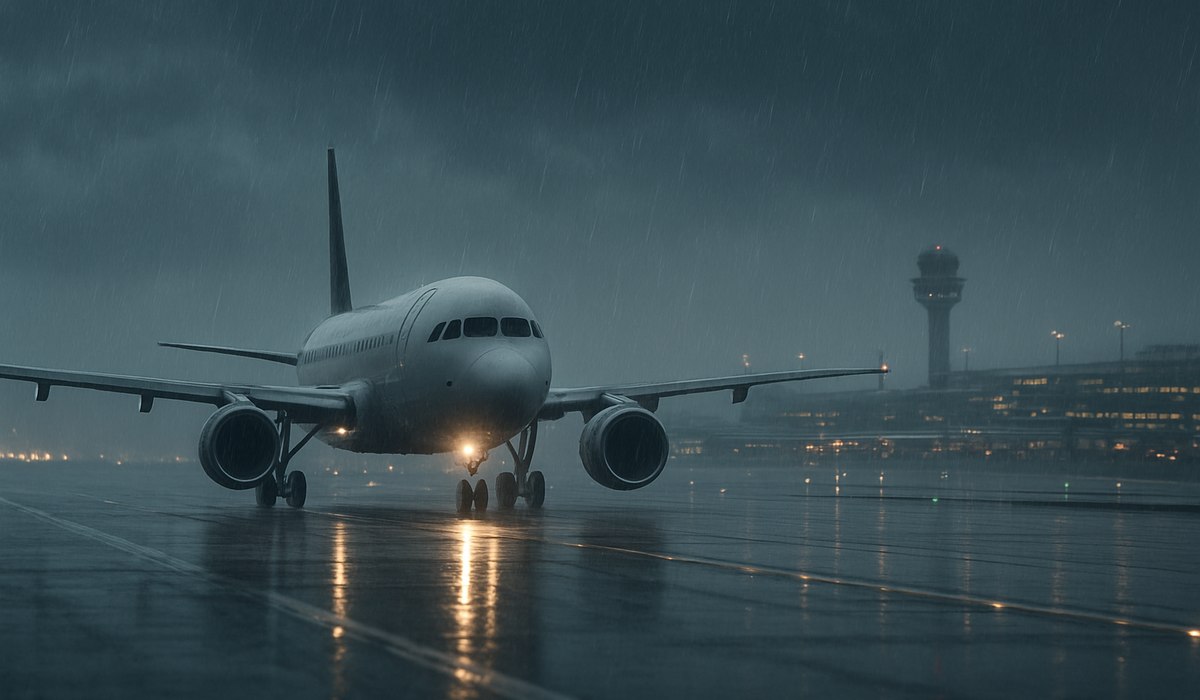
Image generated by AI
Spring Storms Create Cascading Flight Disruptions to Cancun
Flight disruptions snarl multiple North American gateways this week, as aggressive spring weather systems pound Toronto, Montreal, New York and Miami. A total of 42 delays and four cancellations are affecting sun-destination services to Cancun International Airport, with major carriers including Air Canada, WestJet, Southwest Airlines and Spirit Airlines all reporting schedule impacts. The disruptions began mid-week and are expected to persist through the weekend, leaving hundreds of leisure travelers from Canada and the United States facing missed connections, rebooking delays and altered vacation plans.
The root cause stems from an unusual convergence of late-season winter weather across Canada and synchronized thunderstorm activity along the U.S. East Coast. When multiple major hub airports experience simultaneous capacity constraints, the ripple effects spread rapidly through international networks—particularly on time-sensitive leisure routes like those serving Cancun's tourism corridor.
Stormy Week for North American Hubs Feeding Cancun
Toronto Pearson International Airport and Montreal-Trudeau have emerged as the hardest-hit Canadian gateways. Snow, freezing rain and low visibility have complicated de-icing operations, ground handling and air traffic flow throughout the week. These two airports collectively process the majority of Canadian leisure traffic destined for Cancun and represent critical connection points for travelers from across the country.
The disruptions compound when aircraft miss scheduled departure windows by several hours. Ground crews must de-ice aircraft multiple times, runway capacity shrinks due to weather precautions, and air traffic controllers implement spacing restrictions. Once a Toronto or Montreal departure falls behind, the aircraft's entire downstream rotation gets disrupted—including its return leg from Cancun.
In the United States, severe weather along the Northeast and mid-Atlantic corridor has produced substantial delays at New York-area airports and Miami International. Both hubs feed significant nonstop and connecting traffic to Cancun. When thunderstorms move through these regions, tarmac holds, ground stops and slot rationing ripple across the network within hours.
Track real-time flight status impacts on FlightAware and review FAA operational updates for ongoing weather advisories.
Major Airlines Affected: WestJet, Air Canada, Southwest and Spirit
Air Canada and WestJet dominate Canada-Cancun service and are absorbing the bulk of current disruptions. Both carriers operate multiple daily rotations from Toronto and Montreal, meaning weather delays cascade through their entire day's schedule. Tight aircraft utilization on leisure routes leaves little buffer; a three-hour morning delay often pushes evening departures into the following day.
Crew duty-time regulations amplify the problem. When an outbound flight departs late from Toronto, crews may approach maximum allowed duty limits by the time they reach Cancun. Even straightforward return flights then face cancellation if crew rest requirements cannot be met, forcing passengers onto flights days later.
Southwest Airlines and Spirit Airlines operate dense networks across Florida and the East Coast, feeding Cancun with economy-focused service. These carriers typically run high-frequency, thin-margin operations where schedule disruptions quickly cascade. A weather delay in New York or Miami can push Southwest or Spirit aircraft hours behind schedule, affecting their entire regional network.
Consumer advocacy groups report that staffing shortages at Canadian airports, combined with high passenger load factors on Cancun routes, have reduced system resilience. Fewer ground crew means longer de-icing and turnaround times; fuller flights mean more rebooking complexity when cancellations occur.
Impact on Canadian and U.S. Leisure Travelers
Hundreds of passengers face extended waits, rerouted itineraries and missed vacation time. Canadian travelers from major metropolitan areas—Toronto, Vancouver, Montreal—depend on these routes for spring break and Easter holidays. The current disruptions fall during peak leisure season, when alternative flights are difficult to secure.
U.S. East Coast passengers heading to Cancun encounter similar challenges. Miami-based connections to Cancun are particularly affected because Miami serves as a hub for connecting traffic from the broader Southeast. A delayed arrival in Miami from New York cascades directly into late Cancun departures.
Travelers booked on connecting flights face the highest risk. A passenger connecting through Toronto to Cancun risks missing their onward flight if their inbound leg arrives late. Rebooking on subsequent flights can add one to three days to travel plans, especially during peak periods when seat inventory is minimal.
What Nomadic Professionals Should Know
Remote workers and digital nomads planning spring getaways to Cancun should anticipate multi-day disruption windows through the weekend. Current weather models suggest instability may persist through Friday evening, with clearing expected Saturday into early next week.
If you have flights booked in the next 48 hours, proactively contact your airline via phone (not online chat) to discuss rebooking options before your flight is cancelled. Policies differ: some carriers offer automatic rebooking on the next available flight at no charge, while others require manual rebooking with potential fees.
Travel insurance with flight disruption coverage becomes invaluable in scenarios like this. If you lack coverage and face a multi-day delay, you'll absorb hotel and meal costs without airline compensation (unless the delay exceeds 24 hours on some carriers, depending on jurisdiction).
For those traveling in coming weeks, book flights on Tuesday through Thursday when possible—these days statistically experience fewer weather-related disruptions than Friday through Sunday.
Traveler Action Checklist
-
Check your flight status now using FlightAware and your airline's app; don't wait for automatic notifications.
-
Call your airline directly if your flight departs within 48 hours; phone agents can rebook you before your flight officially cancels.
-
Document everything: take screenshots of flight status pages, confirmation numbers and any communications with airline staff.
-
Review airline policies on your booking confirmation; check whether you're entitled to hotel or meal vouchers for overnight delays.
-
Verify your passport validity if rebooking delays your trip; some travelers forget expiration dates during crisis rebooking.
-
Contact your hotel and any ground transportation providers to reschedule arrival times and secure cancellation flexibility.
-
File a claim with your travel insurance provider immediately if coverage applies; retain all receipts for meals and accommodation.
-
Monitor weather forecasts through FAA aviation weather updates; clearing is expected Saturday morning.
-
Request meal and hotel vouchers before leaving the airport if facing an overnight delay; don't assume airlines will offer them automatically.
-
Follow up with the U.S. Department of Transportation or Canadian transportation authorities if owed compensation; visit US DOT for detailed passenger rights information.
Live Flight Tracking and Monitoring
Real-time disruption data is available through FlightAware, which displays current delays, cancellations and gate information for all affected routes. The FAA's airport status page provides updates on ground stops and capacity restrictions at major hubs including Toronto, New York and Miami.
Passengers should check these resources every two to four hours if their flight is scheduled within 24 hours. Airlines update flight status information roughly every 30 minutes during active weather events.
Passenger Rights and Compensation
Under U.S. Department of Transportation rules, passengers on domestic flights delayed over three hours are entitled to a rebooking on the next available flight at no charge. International flights have different thresholds depending on arrival location.
Canadian passengers are protected under the Air Passenger Protection
Disclaimer
This article is for informational and educational purposes only. It does not constitute legal, financial, or professional advice. While we strive to provide accurate and up-to-date information, travel policies, regulations, and conditions change rapidly. Always verify information with official sources before making travel decisions. Nomad Lawyer makes no representations about the accuracy, reliability, completeness, or suitability of the information provided. Readers should consult qualified professionals for advice specific to their circumstances. The views expressed in this article are those of the author and do not necessarily reflect the views of Nomad Lawyer.
Raushan Kumar
Founder & Lead Developer
Full-stack developer with 11+ years of experience and a passionate traveller. Raushan built Nomad Lawyer from the ground up with a vision to create the best travel and law experience on the web.
Learn more about our team →