
Flight chaos hits Frankfurt, London as Easter travel disruptions mount
Lufthansa strikes at Frankfurt and severe weather delays at London Heathrow and Gatwick trigger cascading disruptions across Europe's busiest routes during 2026 Easter peak travel. Hundreds of flights cancelled, passenger rights activated.

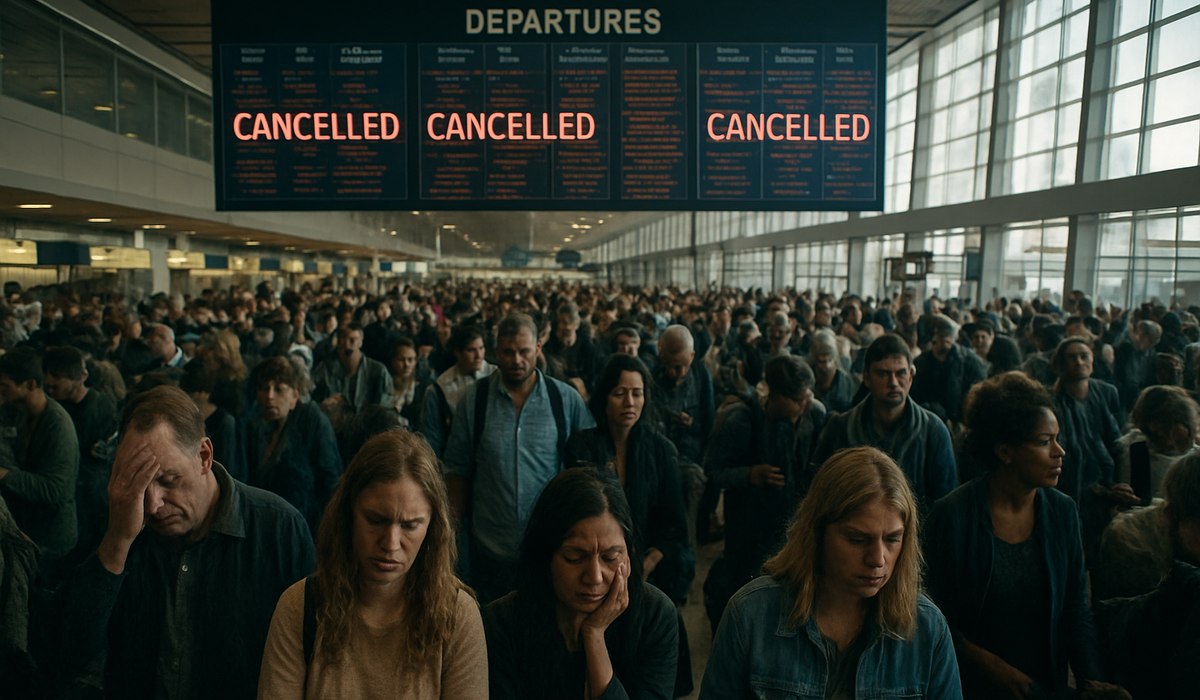
Image generated by AI
When Flight Chaos Hits Europe's Busiest Hubs
Lufthansa cabin crew strikes at Frankfurt Airport combined with severe weather constraints at London Heathrow and Gatwick have created the season's most significant travel disruption. More than 500 flights were cancelled on April 10 alone, with cascading delays extending through the Easter weekend. This perfect storm of industrial action and meteorological challenges is stranding passengers across Europe and impacting transatlantic connections to North America.
Frankfurt Strikes Trigger Wave of Cancellations
Frankfurt Airport, Europe's third-busiest hub and Lufthansa's primary operating base, ground to a halt on April 10 when cabin crew walked out in a dispute over wages and scheduling. The single-day action resulted in the cancellation of over 500 services across Frankfurt and Munich operations. However, the impact extends far beyond that 24-hour window.
Aircraft and flight crews positioned incorrectly during the strike have continued creating scheduling chaos into the weekend. Additional cancellations on April 11 and April 12 reflect the cascade effect of aircraft rotations falling out of sequence. Lufthansa announced a second work action scheduled for April 13-14, forcing passengers to make immediate rebooking decisions during peak Easter travel periods.
As a major long-haul gateway, Frankfurt's disruptions ripple across partner airline networks. Missed connections at Frankfurt directly affect transatlantic services to New York, Boston, and Chicago, as well as Asian routes operated by code-share partners. The airport's role as a critical European transfer hub means regional passengers attempting connections face domino-effect cancellations on secondary routes.
For real-time Frankfurt disruption tracking, check FlightAware for flight status updates and schedule changes.
London Heathrow and Gatwick Grapple With Heavy Delays
While Frankfurt battled industrial action, London's major airports faced meteorological mayhem. Low-pressure systems brought gusty winds and low cloud cover that restricted runway capacity at both Heathrow and Gatwick. Flight-tracking data shows over 1,600 delays across European airports within a 24-hour period, with London hubs recording typical delays between 45 and 75 minutes.
Heathrow operates near maximum throughput during normal conditions. Any capacity reduction—whether from weather or air traffic control constraints—immediately creates holding patterns and slower arrival rates. This bottleneck effect forces airlines to consolidate flights and adjust schedules for aircraft making multiple daily rotations.
Gatwick, serving as London's secondary long-haul gateway, experienced similar cascading delays. Flights arriving late to Gatwick disrupt subsequent departures on the same aircraft, creating a ripple effect throughout the day. Airlines operating multiple daily rotations between London and long-haul destinations saw punctuality deteriorate significantly.
The combination of weather-induced delays and strike-driven capacity loss shifted passenger loads to alternative London services, further straining already-congested facilities. For updated London airport conditions, monitor FlightAware terminal-specific delay data.
Cascading Impact on Transatlantic and International Connections
The simultaneous pressure on Frankfurt and London created what aviation analysts term a "hub shock." Passengers rebooked from Frankfurt to London after missing connections found themselves encountering fresh delays at Heathrow or Gatwick. This left travelers facing missed onward connections to the Middle East, Asia, Africa, and North America.
Airlines responded with emergency schedule adjustments, including aircraft-type changes and departure-time shuffles. However, recovery has been incremental rather than complete. The combination of strike-affected capacity and weather-reduced throughput created a genuine shortage of available seats on competing European hubs.
Amsterdam, Paris, Zurich, and Vienna airports received displaced traffic from Frankfurt disruptions. However, these alternate routing options often extended journey times and created overnight connection risks. Pricing on alternative routes surged dramatically as airlines managed limited seat inventory across the Easter peak-travel window.
Transatlantic carriers facing Frankfurt and London constraints implemented waiver policies allowing free rebooking or cancellation without penalties. However, passenger communication regarding these waivers remained inconsistent across airline websites and contact centers, leaving travelers uncertain about their options.
Passenger Rights and Rebooking Options
Under EU261 regulations, passengers on cancelled flights or flights delayed over three hours may qualify for compensation up to €600, depending on flight distance and disruption cause. Strikes are classified as "extraordinary circumstances" in most EU court interpretations, potentially limiting compensation eligibility. However, airlines remain obligated to provide meals, accommodation, and rebooking on alternate services.
Passengers should document all expenses related to delays or cancellations, including meals, ground transportation, and hotel stays. Airlines are legally required to reimburse these costs under EU261 and national consumer protection laws. Gather boarding passes, confirmation emails, and receipts for submission to airlines or EU passenger compensation specialists.
Contact your airline directly through their customer service channels to confirm rebooking options. Many carriers activated dedicated Easter disruption support teams with extended hours. For complex rebooking scenarios involving code-share partners, request written confirmation of alternate routing before accepting changes.
Visit the U.S. Department of Transportation consumer aviation page at US DOT for passenger rights information applicable to U.S. routes and carriers.
Traveler Action Checklist
-
Check your flight status immediately via your airline's website, app, or FlightAware using your flight number and date.
-
Request rebooking confirmation in writing from your airline, including specific alternate flight details, departure times, and any connection details.
-
Photograph and save all receipts for meals, accommodation, ground transportation, and other expenses incurred due to disruption.
-
Contact your airline's customer service team via their official channels (website, app, or phone) rather than social media for rebooking assistance.
-
Review your airline's waiver policy to determine whether free cancellation, date changes, or credit vouchers are available for affected bookings.
-
Consider travel insurance claims if your policy covers flight disruption, weather-related cancellations, or airline strikes.
-
Document disruption details by saving email confirmations, flight status messages, and screenshots showing cancellations or delays.
-
File compensation claims through US DOT if your flight operates to/from the United States, or through your country's aviation authority.
Disruption Impact Summary Table
| Metric | Data |
|---|---|
| Flights cancelled Frankfurt (April 10) | 500+ services |
| European delays in 24-hour period | 1,600+ flights |
| Typical delay range at London hubs | 45–75 minutes |
| Second Lufthansa strike scheduled | April 13–14 |
| EU261 maximum compensation (eligible flights) | €600 per passenger |
| Peak affected travel period | Easter weekend 2026 |
| Affected long-haul destinations | North America, Asia, Middle East |
| Alternative routing hubs activated | Amsterdam, Paris, Zurich, Vienna |
What This Means for Travelers
The convergence of strike action and weather disruption represents the most significant Easter travel challenge in years. Passengers should expect 24-48 hour recovery periods even after work actions conclude, as aircraft and crew positioning gradually normalizes.
Book flights on alternative dates if Easter travel flexibility exists. Prices on alternate dates may be lower as airlines manage rebooking volumes. Passengers with flexible schedules who postpone travel until April 15 onwards will encounter significantly better availability and lower fares.
Transatlantic passengers should consider shifting connections through airlines operating unaffected German airports like Munich (where Lufthansa's subsidiary Lufthansa CityLine maintains
Disclaimer
This article is for informational and educational purposes only. It does not constitute legal, financial, or professional advice. While we strive to provide accurate and up-to-date information, travel policies, regulations, and conditions change rapidly. Always verify information with official sources before making travel decisions. Nomad Lawyer makes no representations about the accuracy, reliability, completeness, or suitability of the information provided. Readers should consult qualified professionals for advice specific to their circumstances. The views expressed in this article are those of the author and do not necessarily reflect the views of Nomad Lawyer.
Preeti Gunjan
Contributor & Community Manager
A passionate traveller and community builder. Preeti helps grow the Nomad Lawyer community, fostering engagement and bringing the reader experience to life.
Learn more about our team →