
Flight Attendants' Duty Never Ends: Inside the Hidden Crisis of Constant Vigilance at 35,000 Feet
Breaking airline news and aviation industry updates for 2026.

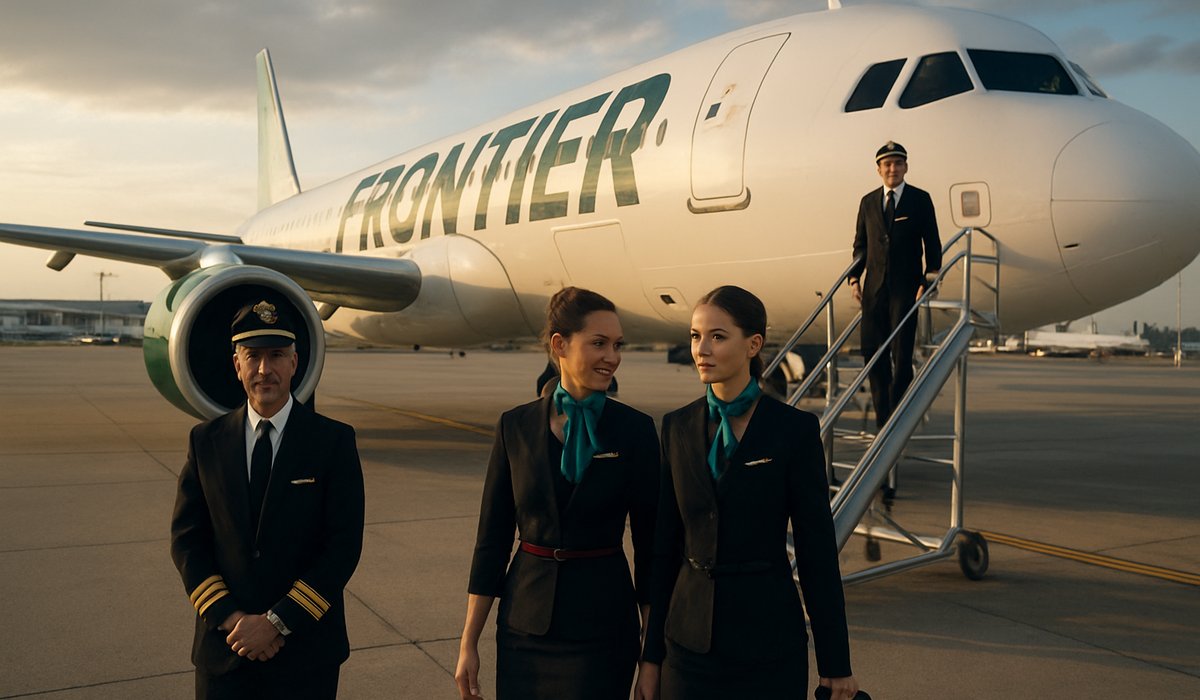
Image generated by AI
Flight Attendants' Duty Never Ends: Inside the Hidden Crisis of Constant Vigilance at 35,000 Feet
A Frontier Airlines incident exposes the relentless safety demands placed on cabin crew—revealing an industry-wide problem of understaffing and burnout
The Reality Behind the Cabin Doors
A recent incident aboard a Frontier Airlines flight has thrust into the spotlight a seldom-discussed reality: flight attendants operate under an exhausting mandate that extends far beyond their official shift hours. While passengers view cabin crew primarily as service providers, aviation safety protocols demand these professionals maintain constant vigilance—assessing threats, managing crises, and responding to emergencies with split-second precision, regardless of fatigue or workload.
The incident, which underscores structural vulnerabilities in modern aviation staffing, reveals how flight attendants function as first-line responders in scenarios ranging from medical emergencies to rapid decompression events, often with minimal backup and mounting passenger tension.
A Multi-Layered Responsibility Most Passengers Don't See
Industry standards mandate that cabin crew receive extensive emergency response training—from water landing procedures to fire suppression and evacuation protocols. Yet beyond these high-stakes certifications lies an equally critical responsibility: behavioral threat assessment. Flight attendants must continuously evaluate passenger behavior, identifying signs of intoxication, mental health crises, or potential violence while simultaneously reading cabin dynamics and de-escalating volatile situations.
This dual burden—delivering hospitality while functioning as safety experts—creates unprecedented psychological strain. The aviation industry's post-pandemic staffing crisis has intensified these pressures, with many carriers operating with skeleton crews and compressed turnaround times that leave flight attendants with minimal rest between flights.
The Broader Industry Impact
The incident raises urgent questions about whether current airline staffing models adequately support the safety-critical functions flight attendants perform. Major carriers including Frontier, Southwest, and United have faced repeated criticism over cabin crew fatigue and resource limitations, issues that have contributed to increased instances of unruly passenger incidents across the industry.
Safety organizations and cabin crew unions increasingly argue that staffing levels established decades ago fail to account for modern operational demands, passenger volatility, and the psychological toll of constant threat assessment.
What Comes Next
Aviation regulators and industry leaders face mounting pressure to reassess crew resource management standards. The incident serves as a stark reminder that aircraft safety depends not on autopilot technology or cockpit protocols alone, but on the mental and physical resilience of professionals expected to function simultaneously as hospitality workers and emergency responders—with insufficient recognition of either role.
FAQ: Understanding Flight Attendant Responsibilities and Aviation Safety
What is a flight attendant's primary responsibility? While passenger comfort matters, flight attendants' core function is ensuring passenger safety. They receive extensive training in emergency procedures, medical response, evacuation protocols, and threat de-escalation.
Why do flight attendants need to assess passenger behavior constantly? Cabin crew must identify potential safety threats—including disruptive passengers, medical emergencies, or security concerns—requiring real-time situational awareness throughout each flight.
How does airline understaffing affect flight attendant safety protocols? Reduced crew levels limit redundancy in emergency response, increase individual workload, and elevate fatigue—factors that compromise both crew and passenger safety.
Are there regulatory standards for flight attendant rest periods? Yes, but many industry advocates argue current regulations were established before modern aviation's increased operational complexity and passenger volatility.
What incidents have highlighted flight attendant burnout in recent years? Post-pandemic surges in unruly passenger incidents, combined with compressed schedules and staffing shortages across carriers like Southwest and United, have documented widespread crew fatigue issues.
Related Travel Guides
External Resources
Disclaimer
This article is for informational and educational purposes only. It does not constitute legal, financial, or professional advice. While we strive to provide accurate and up-to-date information, travel policies, regulations, and conditions change rapidly. Always verify information with official sources before making travel decisions. Nomad Lawyer makes no representations about the accuracy, reliability, completeness, or suitability of the information provided. Readers should consult qualified professionals for advice specific to their circumstances. The views expressed in this article are those of the author and do not necessarily reflect the views of Nomad Lawyer.
Preeti Gunjan
Contributor & Community Manager
A passionate traveller and community builder. Preeti helps grow the Nomad Lawyer community, fostering engagement and bringing the reader experience to life.
Learn more about our team →