
How Courtesy and Kindness Transform Your Flight Experience: What Cabin Crew Really Reward Onboard
Breaking airline news and aviation industry updates for 2026.

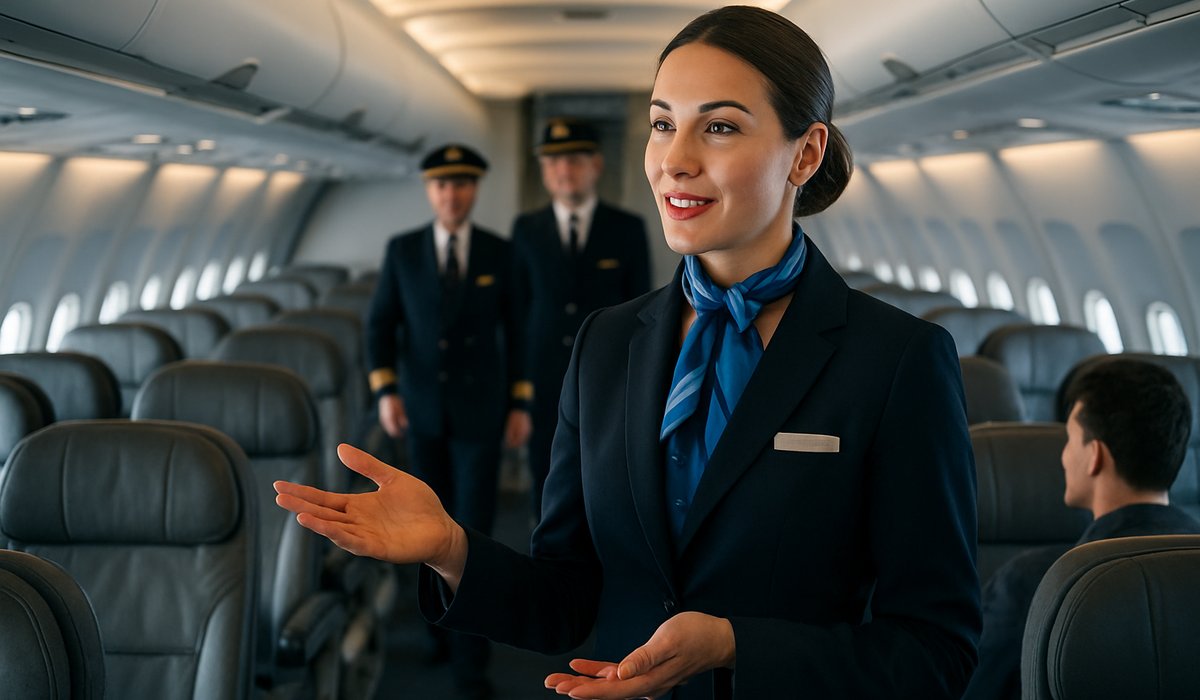
Image generated by AI
How Courtesy and Kindness Transform Your Flight Experience: What Cabin Crew Really Reward Onboard
Flight attendants reveal the passenger behaviors that genuinely improve service quality and create memorable travel moments
The Hidden Economy of Airline Courtesy
A candid conversation with experienced flight attendants has unveiled an unwritten code of passenger conduct that fundamentally shapes the quality of in-flight service. While airlines operate rigid protocols for customer care, crew members acknowledge that genuine politeness and respect create an informal hierarchy of attention that extends far beyond standard protocol—a reality that shapes millions of daily travel experiences across global aviation networks.
The modern cabin crew operates under considerable pressure. Extended flight duties, confined working spaces, and managing diverse passenger expectations in high-stress environments have transformed what was once considered a glamorous profession into a demanding service role. Yet within these constraints, flight attendants consistently report that small gestures of human decency generate disproportionate goodwill that directly translates into enhanced passenger experiences.
What Genuinely Matters to Cabin Staff
According to frontline crew testimony, the currency of exceptional service isn't monetary—it's interpersonal. A simple greeting, eye contact, and basic courtesy create measurable shifts in crew responsiveness. Flight attendants emphasize that acknowledging their presence through polite acknowledgment, saying "please" and "thank you," and maintaining respectful communication patterns fundamentally alters their engagement level.
These courtesies are particularly rare in contemporary air travel. As one attendant noted, "The little things genuinely brighten our day." Passengers who approach interactions with patience and understanding find themselves receiving proactive assistance, priority attention during beverage service, and crew members who go beyond minimum requirements to ensure comfort.
The Domino Effect of Kindness
The relationship between passenger behavior and service quality creates a cascading effect throughout the flight experience. When crew members feel respected and valued, they're more inclined to remember specific passenger requests, provide recommendations, and offer personalized attention that standard service protocols don't mandate. This informal recognition system operates independently of airline fee structures or premium cabin assignments.
Conversely, demanding or dismissive conduct triggers minimal engagement—crew members prioritize safety and essential services while emotionally withdrawing from unnecessary interactions.
Implications for the Aviation Industry
This reality reflects broader shifts in aviation service models. As airlines increasingly monetize previously complimentary services through baggage charges, seat selection fees, and meal add-ons, the human element becomes disproportionately valuable. In an environment where tangible perks have become transactional, intangible qualities—respect, patience, recognition—become the genuine differentiators.
For passengers navigating costly modern air travel, understanding this dynamic offers genuine value that transcends ticket price.
FAQ: Passenger Behavior and In-Flight Service
Q: Do flight attendants provide better service to polite passengers? A: Yes. Crew members consistently report that respectful communication, basic courtesy, and acknowledgment substantially influence their service engagement and attentiveness.
Q: What specific behaviors earn special treatment onboard? A: Greeting cabin crew, making eye contact, using "please" and "thank you," demonstrating patience during delays, and treating staff as humans rather than service robots.
Q: Can courtesy genuinely impact my flight experience despite airline fees? A: Absolutely. While baggage charges and seat fees are non-negotiable, crew discretion in service quality, assistance, and recommendations remains flexible based on interpersonal dynamics.
Q: Is this practice fair to passengers who pay for premium services? A: The distinction exists between mandatory service (safety, basic amenities) and discretionary enhancements (proactive assistance, personalized attention), which crew members allocate based on interaction quality.
Q: How do flight attendants define "special treatment"? A: Priority during beverage service, remembering specific requests, offering practical recommendations, providing extra assistance, and emotional availability—not free upgrades or policy violations.
Related Travel Guides
Flight Delay Compensation Guide 2026
Understanding Airline Route Changes
Airport Security Process Updated (2026)
External Resources
Disclaimer
This article is for informational and educational purposes only. It does not constitute legal, financial, or professional advice. While we strive to provide accurate and up-to-date information, travel policies, regulations, and conditions change rapidly. Always verify information with official sources before making travel decisions. Nomad Lawyer makes no representations about the accuracy, reliability, completeness, or suitability of the information provided. Readers should consult qualified professionals for advice specific to their circumstances. The views expressed in this article are those of the author and do not necessarily reflect the views of Nomad Lawyer.
Kunal K Choudhary
Co-Founder & Contributor
A passionate traveller and tech enthusiast. Kunal contributes to the vision and growth of Nomad Lawyer, bringing fresh perspectives and driving the community forward.
Learn more about our team →