
Flight Attendant Overbooked: Why Airlines Sell More Seats Than Available
A flight attendant explains why airlines intentionally overbook flights in 2026. Learn the revenue strategies, operational reasons, and passenger rights when demand exceeds seat capacity.

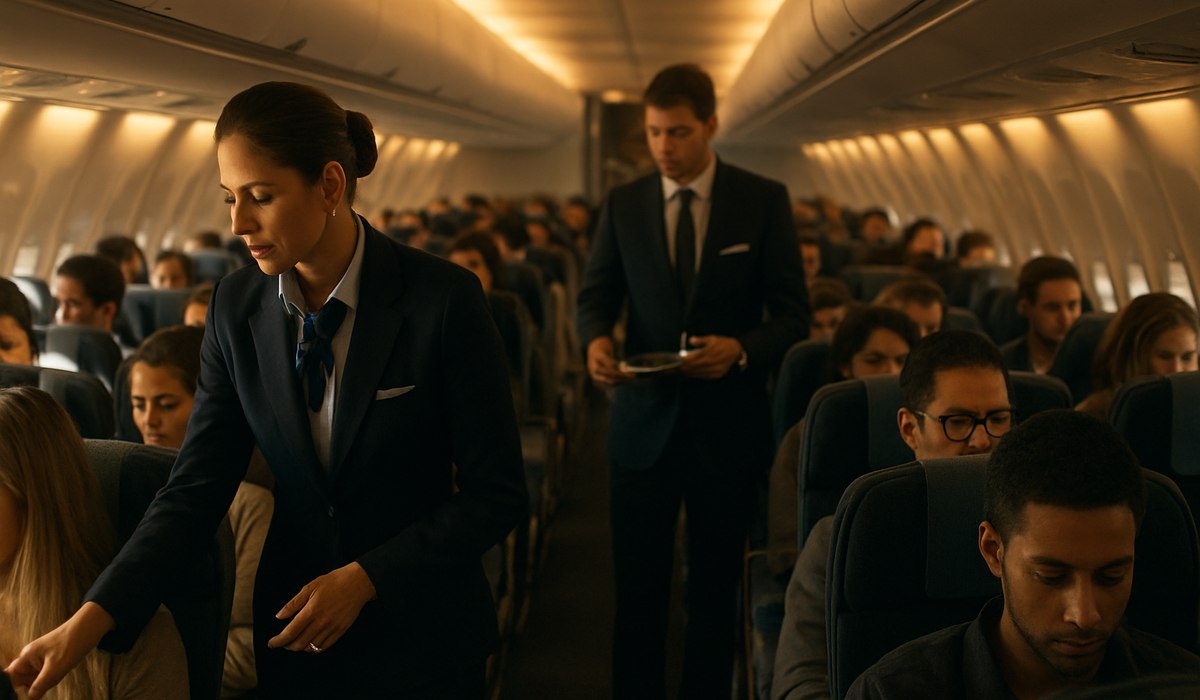
Image generated by AI
Inside the Overbooking Strategy: What Flight Attendants Know
Airlines intentionally overbook flights to combat revenue loss from no-shows, last-minute cancellations, and unexpected flight delays. Industry data reveals that airlines strategically sell more seats than physically available on each aircraft, using historical passenger behavior patterns to predict no-show rates. A career flight attendant breaking down this practice explains that overbooking represents a calculated business decision designed to maximize aircraft utilization and protect airline profitability in 2026's competitive travel market.
Empty seats translate directly to lost revenue—a critical concern for carriers managing thin profit margins. When passengers don't show up as expected, airlines recover those losses by overselling seats to subsequent passengers. This operational model has become standard across major carriers, though it occasionally creates uncomfortable situations at the gate when all passengers actually arrive.
Why Airlines Overbook Flights: The Revenue Management Equation
Airlines employ sophisticated yield management systems that analyze decades of booking and no-show data. The Federal Aviation Administration and industry analysts confirm that overbooking serves two primary functions: maximizing revenue per flight and maintaining competitive pricing structures.
The revenue strategy behind overbooking operates on predictable mathematics. If historical data shows 8% of passengers typically don't board, an airline might overbook a 150-seat aircraft by selling 162 seats. When typical no-show rates materialize, the flight operates at profitable capacity. However, when more passengers show up than anticipated, the airline must activate contingency protocols.
Airlines carefully calibrate overbooking percentages by route, time of day, and season. Friday evening flights to Las Vegas show different no-show patterns than Tuesday morning departures to regional hubs. This data-driven approach allows carriers like Delta, United, and American to fine-tune overselling without consistently bumping passengers. According to the U.S. Department of Transportation's Air Consumer Protection Division, understanding these patterns helps passengers anticipate when flight attendants might ask for volunteers to accept alternative flights.
Operational Reasons for Overselling Seats
Beyond revenue optimization, airlines overbook for legitimate operational considerations. Aircraft maintenance issues, last-minute equipment changes, or mechanical inspections sometimes require substituting a smaller aircraft on a previously scheduled flight. When a 180-seat Boeing 737 gets swapped for a 150-seat regional jet, overbooking becomes an operational necessity rather than pure revenue strategy.
Flight delays at connecting hubs can cascade through the system, requiring aircraft swaps and crew adjustments that affect seat availability. Inoperable seats due to structural damage or malfunctioning lavatory systems reduce usable capacity mid-booking period. Some rows become temporarily unavailable when maintenance work needs completion during overnight turnarounds.
Weather emergencies and air traffic control delays also trigger operational overbooking scenarios. When flights get rerouted or consolidated due to severe storms, passengers from cancelled flights must redistribute across the network. Airlines sometimes overbook subsequent flights to accommodate these involuntary relocations while maintaining schedule integrity.
What Flight Attendants Observe: The Passenger Experience
Flight attendants witness the human side of overbooking when they manage boarding and gate operations. These crew members understand that while overbooking serves legitimate business purposes, passenger frustration peaks when overselling becomes visible. A flight attendant's job includes managing volunteer compensation offers and explaining involuntary bumping scenarios with professionalism.
Crew members report that oversold flights generate specific patterns they've learned to recognize. Gate agents begin asking for volunteers earlier on heavily booked routes. Communication improves when airlines offer escalating compensation—starting with vouchers before moving to cash or travel credits. Passengers accepting voluntary rebooking generally experience shorter delays than those involuntarily bumped.
The operational complexity increases when multiple factors overlap: a fully booked flight, high no-show risk (based on booking patterns), plus equipment substitution. Flight attendants coordinate with gate agents, using internal systems like FlightAware to track real-time passenger check-ins and predict final boarding loads.
Traveler Action Checklist: Protecting Yourself from Overbooking
Understanding overbooking mechanics empowers travelers to make informed decisions about their bookings and boarding strategies.
-
Check your booking confirmation for seat assignments within 24 hours of departure. Last-minute oversold flights sometimes show seat availability changes.
-
Arrive at the gate early on routes with high historical no-show rates (Friday evening flights, holiday periods, connecting flights). Earlier check-in reduces involuntary bumping risk.
-
Volunteer strategically if your flight appears oversold. Airlines offer compensation first; accepting alternative flights often brings higher payments than those bumped involuntarily.
-
Understand your rights by reviewing compensation regulations on the U.S. Department of Transportation website before travel.
-
Document everything if involuntarily bumped: flight number, confirmation code, bumping time, and offered compensation. Screenshot gate agent communications.
-
Negotiate compensation if you're involuntarily denied boarding. Federal minimums exist, but airlines may offer more for difficult-to-reach destinations.
-
File complaints with the U.S. DOT if airlines violate passenger protection regulations. Proper documentation strengthens your case.
Key Overbooking Data and Patterns
| Factor | Impact on Overbooking | Airline Strategy |
|---|---|---|
| Historical No-Show Rate | 8-12% on average routes | Overbook 5-8% above capacity |
| Friday Evening Flights | 15%+ no-show increase | Aggressive overbooking common |
| Last-Minute Bookings | Lower no-show rates | Reduced overbooking percentage |
| Connecting Flights | Higher no-show frequency | Premium overbooking targets |
| Weather Disruptions | Unpredictable passenger flow | Reactive overbooking adjustments |
| Aircraft Substitutions | Reduces total seat count | Operational overbooking required |
What This Means for Travelers in 2026
Overbooking represents a permanent feature of modern air travel, driven by economic pressure and competitive pricing. Passengers benefit indirectly when overbooking allows airlines to offer lower base fares, spreading costs across fuller flights. However, this model requires awareness and strategic action when you travel.
The connection between no-shows and ticket pricing works both directions. Airlines price tickets lower because overbooking income subsidizes capacity. Accepting this reality while protecting your interests involves three priorities: arriving early to board before involuntary bumping becomes necessary, understanding your legal protections, and recognizing when accepting a rebooking offer benefits you financially.
Frequent travelers note that certain flight types rarely face overbooking: early morning flights, Tuesday and Wednesday departures, and routes with lower demand. Business travelers paying premium fares receive priority boarding protection. Families traveling during peak seasons experience higher overbooking frequency because group no-show rates exceed individual travelers.
Check the FAA passenger rights resources and U.S. Department of Transportation Air Consumer Protection Division before flying to understand compensation eligibility if you're denied boarding.
Frequently Asked Questions
What happens when flight attendant tells you the flight is overbooked?
Gate agents make the initial announcement requesting volunteers for rebooking. Flight attendants typically appear when no volunteers come forward, explaining involuntary bumping procedures and compensation availability. They handle passenger questions about alternative flights and connecting passengers with customer service staff.
How do airlines decide who gets bumped when a flight is overbooked?
Airlines follow federal regulations requiring volunteers first. If insufficient volunteers exist, involuntary removal follows reverse booking order: last booked passengers go first. Exceptions include disabilities, families with young children, and time-sensitive medical appointments, though documentation requirements apply.
Can you refuse to get off an overbooked flight?
Airlines have legal authority to refuse boarding or remove passengers, though
Disclaimer
This article is for informational and educational purposes only. It does not constitute legal, financial, or professional advice. While we strive to provide accurate and up-to-date information, travel policies, regulations, and conditions change rapidly. Always verify information with official sources before making travel decisions. Nomad Lawyer makes no representations about the accuracy, reliability, completeness, or suitability of the information provided. Readers should consult qualified professionals for advice specific to their circumstances. The views expressed in this article are those of the author and do not necessarily reflect the views of Nomad Lawyer.
Preeti Gunjan
Contributor & Community Manager
A passionate traveller and community builder. Preeti helps grow the Nomad Lawyer community, fostering engagement and bringing the reader experience to life.
Learn more about our team →