
Fairmont Hotels Launches $1 Billion Global Luxury Renovation: 20% of Portfolio Transforms by 2026
Fairmont Hotels accelerates transformation across one-fifth of its luxury properties globally, modernizing heritage hotels while integrating wellness and sustainability standards worldwide.

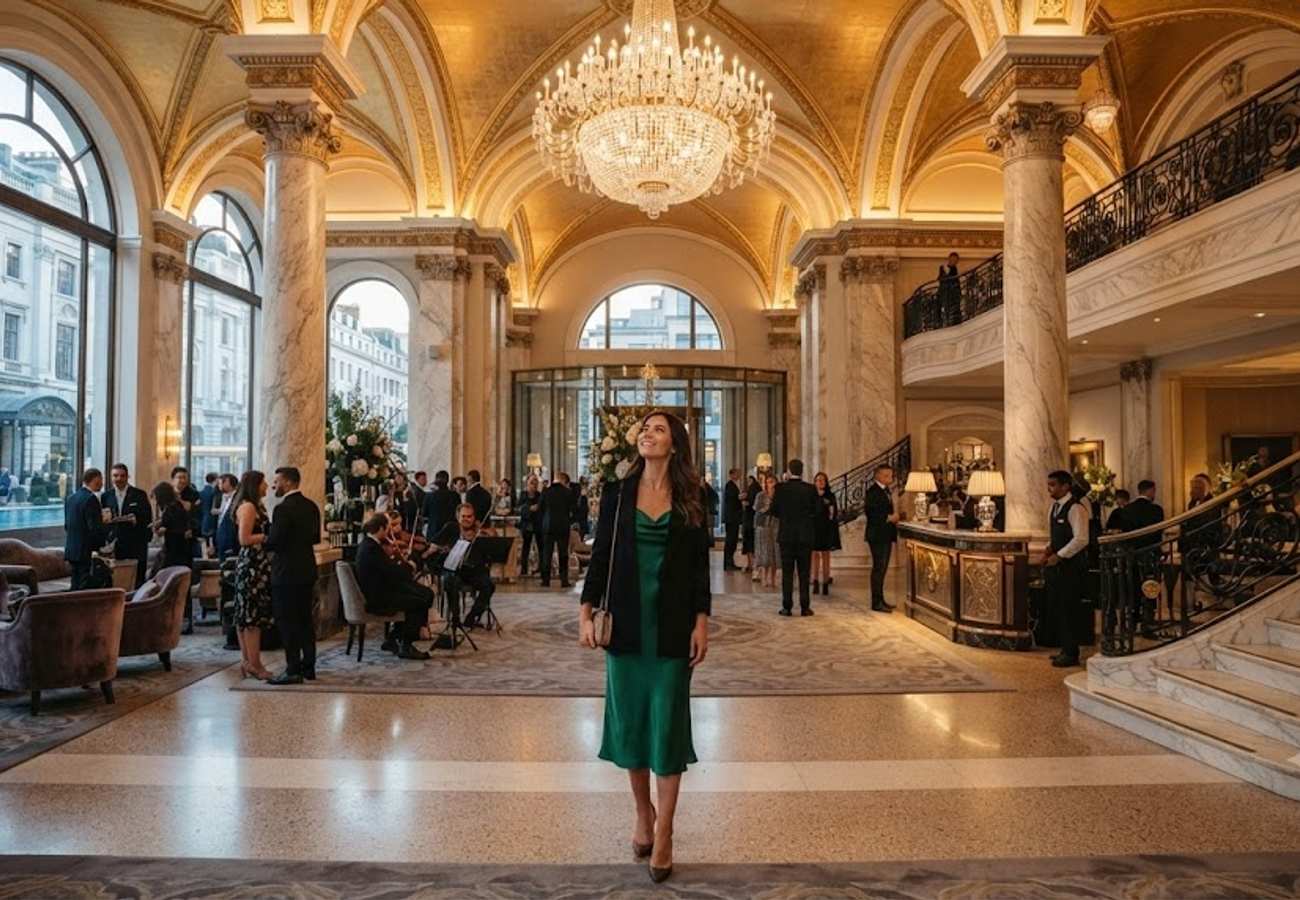
Image generated by AI
Fairmont Hotels & Resorts just dropped a bombshell on the global luxury hospitality sector. The iconic Swiss-owned brand is overhauling approximately one-fifth of its entire international portfolio—a staggering transformation initiative that signals exactly where high-end travel is heading.
I've been tracking major hotel industry shifts for years, and this move is different. This isn't just window dressing. Fairmont is fundamentally reshaping what luxury hospitality means in 2026, balancing centuries-old heritage with cutting-edge wellness technology and sustainability frameworks.
The Scale Of Fairmont's Global Overhaul
Let's be clear about what's happening here: 20% of Fairmont's properties are simultaneously under renovation or repositioning. That's a massive operational and financial commitment across multiple continents.
The transformation spans North America, Europe, Africa, and Asia—a genuinely coordinated global strategy rather than scattered regional upgrades. According to UN Tourism frameworks, luxury hotel brands increasingly prioritize refurbishment cycles to maintain competitive positioning in high-value tourism markets while meeting evolved traveller expectations.
Reddit: "Fairmont properties are finally getting serious about modernization. The Savoy in London needed this badly." — r/travel
North America: The Flagship Properties Get Serious
In Canada, the transformation hits hard. Fairmont Tremblant, Fairmont Waterfront, and Fairmont Château Laurier are receiving structural overhauls beyond cosmetic updates. We're talking redesigned guestrooms, enhanced luxury suites, and integrated smart hospitality systems.
These aren't minor renovations—they represent fundamental infrastructure upgrades designed for 21st-century luxury travel demands. The Canadian properties reflect the brand's commitment to maintaining its dominance in alpine and urban luxury hospitality.
European Heritage Meets Modern Luxury
The Savoy in London and Fairmont Grand Hotel Geneva represent where heritage preservation meets contemporary hospitality innovation. These iconic properties operate under strict architectural protection guidelines—particularly in London, where heritage building regulations are notoriously rigorous.
Fairmont's approach here is delicate but decisive: preserve original design DNA while installing modern guest amenities, energy-efficient systems, and contemporary service technology. That balance isn't easy, especially in cities where urban planning committees scrutinize every modification.
Wellness Integration: The Game Changer
Here's where Fairmont's strategy diverges dramatically from traditional hotel refurbishment. The brand is embedding wellness-focused hospitality across its entire transformation programme.
Properties like Fairmont Pacific Rim in Vancouver are expanding spa facilities, mindfulness programmes, and nature-integrated hospitality environments. Wellness tourism now ranks among the fastest-growing travel segments globally. This isn't trend-chasing—it's market-aligned investment.
According to international tourism bodies tracking traveller behaviour, guests increasingly demand holistic travel experiences combining physical wellbeing, mental restoration, and authentic cultural engagement. Fairmont is directly addressing this shift.
Heritage Restoration Under Protection Frameworks
Fairmont Le Château Frontenac in Quebec City and Fairmont Jasper Park Lodge in Alberta face unique renovation constraints. These are historically significant landmarks operating under strict cultural preservation frameworks that regulate every architectural modification.
The restoration strategy focuses on maintaining original design elements while upgrading infrastructure: improved guestroom design, energy efficiency systems, and enhanced public spaces that preserve historical identity without compromising operational sustainability.
This requires navigating complex regulatory environments while delivering modern luxury standards. It's meticulous work, but it's exactly what separates Fairmont from competitors willing to demolish history for profits.
Expansion Into Emerging Luxury Markets
Alongside renovation cycles, Fairmont is aggressively entering emerging markets. New properties in Doha, Hanoi, and Tokyo reflect shifting global tourism flows toward Asia and the Middle East, where urban luxury hospitality demand is experiencing exponential growth.
These developments integrate modern urban design while reflecting local cultural narratives. According to travel industry analytics, luxury hotel brands increasingly function as cultural anchors within major international cities—not just accommodation providers.
Sustainability: From Compliance To Leadership
The transformation programme explicitly incorporates sustainability standards as core operational philosophy, not afterthought. Renovation projects integrate energy-efficient systems, sustainable construction materials, and improved operational efficiency aligned with international environmental benchmarks.
Global hospitality frameworks increasingly emphasize carbon reduction targets and responsible tourism principles. Fairmont's investment in sustainability upgrades positions the brand for evolving regulatory environments and traveller expectations around environmental accountability.
What This Means For Luxury Travellers
This isn't incremental change. Fairmont's transformation programme represents a fundamental repositioning of premium hospitality. By modernizing substantial portfolio portions while preserving historic identity, the brand is strategically meeting evolving international traveller expectations.
The integration of wellness, sustainability, and heritage preservation defines next-generation luxury hospitality. Fairmont's dual investment in both established heritage properties and emerging market properties reinforces a long-term commitment to shaping premium travel experiences globally.
For travellers seeking authentic luxury that honours history while delivering contemporary comfort—this transformation matters. For competitors, it signals the new competitive standard.
Fairmont's betting big on the future of luxury. The question is whether other heritage hotel brands will follow.
Related Travel Guides
Disclaimer
This article is for informational and educational purposes only. It does not constitute legal, financial, or professional advice. While we strive to provide accurate and up-to-date information, travel policies, regulations, and conditions change rapidly. Always verify information with official sources before making travel decisions. Nomad Lawyer makes no representations about the accuracy, reliability, completeness, or suitability of the information provided. Readers should consult qualified professionals for advice specific to their circumstances. The views expressed in this article are those of the author and do not necessarily reflect the views of Nomad Lawyer.
Raushan Kumar
Founder & Lead Developer
Full-stack developer with 11+ years of experience and a passionate traveller. Raushan built Nomad Lawyer from the ground up with a vision to create the best travel and law experience on the web.
Learn more about our team →