
Inside Cockpit System: F-35 Lightning II Redefines Fifth-Generation Combat
The F-35 Lightning II's inside cockpit system transforms pilots into digital quarterbacks. This fifth-generation stealth aircraft from Lockheed Martin represents the most advanced aviation technology ever deployed by the United States Air Force in 2026.

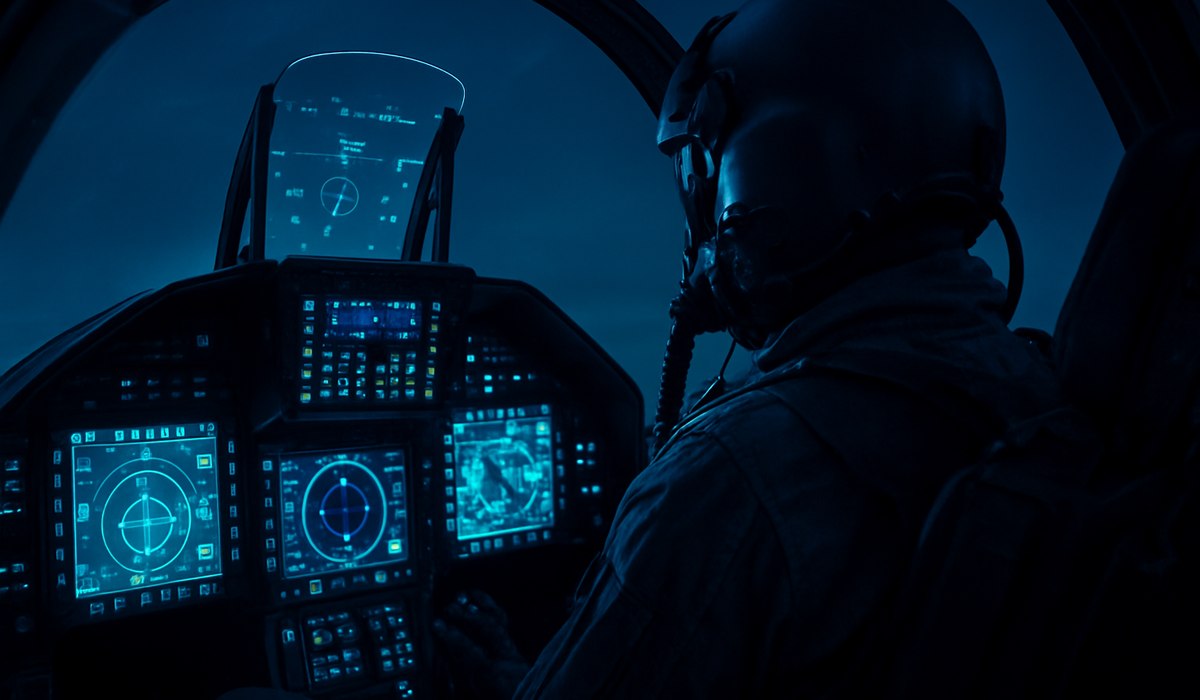
Image generated by AI
The F-35's Revolutionary Inside Cockpit System Reshapes Modern Aviation
The Lockheed Martin F-35 Lightning II represents a watershed moment in military aviation history. At the core of this fifth-generation stealth platform lies an inside cockpit system so advanced it transforms pilots into digital quarterbacks commanding real-time battlefield intelligence. The United States Air Force has invested billions developing this technology, making the F-35 program the most expensive defense industrial initiative ever undertaken globally.
This revolutionary aircraft operates far beyond traditional fighter jet capabilities. The inside cockpit system integrates sensor fusion, artificial intelligence partnerships, and intuitive pilot interfaces that fundamentally reimagine how aerial combat unfolds in modern warfare scenarios.
The Evolution of Fifth-Generation Cockpit Design
Fifth-generation aircraft represent a quantum leap beyond their predecessors. The inside cockpit system aboard the F-35 Lightning II embodies decades of aeronautical research and human factors engineering combined into a singular operational environment.
Traditional fourth-generation fighters required pilots to manage multiple independent systems simultaneously. The F-35 changes this paradigm entirely. Its inside cockpit system consolidates radar data, thermal imaging, electronic warfare sensors, and weapons system information into a unified digital interface. Pilots no longer juggle disparate data streams—the cockpit synthesizes everything into actionable intelligence.
Lockheed Martin engineers designed the inside cockpit system with pilot workload reduction as the primary objective. The cockpit's layout positions critical controls within optimal reach zones, while advanced displays present information hierarchically based on mission phase. This human-centered design philosophy ensures pilots maintain situational awareness even during high-stress combat scenarios. The United States Air Force validated this approach through extensive testing protocols spanning multiple years.
Digital Integration: How the F-35 Processes Real-Time Data
The inside cockpit system processes extraordinary volumes of sensor data instantaneously. Five-sensor fusion technology creates a comprehensive 360-degree environmental picture that previously required multiple aircraft coordinating overhead.
Electro-optical targeting systems feed infrared imagery directly to helmet-mounted displays. Radio frequency sensors detect threats beyond visual range. Acoustic processors identify aircraft signatures from audio data alone. The inside cockpit system synthesizes this multi-source intelligence stream into intuitive symbology that pilots interpret in milliseconds.
This real-time processing capability gives the F-35 Lightning II unprecedented tactical advantage. Pilots receive threat warnings, targeting solutions, and tactical recommendations before adversaries detect their presence. The aircraft's stealth technology compounds this advantage—enemies cannot see what they cannot track.
Lockheed Martin implemented redundant processing architectures throughout the inside cockpit system. If primary processors fail, backup systems seamlessly assume control without pilot intervention. This reliability standard exceeds requirements for civilian commercial aviation, reflecting the mission-critical nature of military operations.
Pilot Interface and User Experience Innovation
Modern cockpit design prioritizes intuitive interaction. The F-35's inside cockpit system features touchscreen panels, voice command integration, and gesture recognition capabilities working in concert.
Pilots interact with the inside cockpit system through a primary touchscreen positioned at ergonomic angles. Haptic feedback alerts provide tactile confirmation of input recognition. Voice commands execute complex functions without manual input—pilots simply state their intention and the system responds appropriately.
The helmet-mounted display projects critical flight information directly into the pilot's field of vision. Spatial audio cues alert pilots to threats originating from specific directions. Augmented reality overlays provide navigation guidance, target tracking, and hazard warnings simultaneously.
User testing with United States Air Force pilots revealed that experienced aviators adapted to the inside cockpit system within 20-30 flight hours. The intuitive design reduced cognitive workload by an estimated 40 percent compared to legacy fourth-generation fighters. This workload reduction directly translates to better decision-making during high-pressure tactical situations.
Stealth Technology Integration in the Cockpit
The F-35 Lightning II's stealth capabilities depend heavily on the inside cockpit system's integrated approach. Traditional radar cross-section reduction primarily focused on airframe geometry. The F-35 integrates electronic countermeasures, signal management, and emission control directly into cockpit operations.
Pilots manage radio frequency emissions through the inside cockpit system with unprecedented precision. The cockpit determines optimal times to transmit, receive, or remain completely silent based on tactical situation analysis. This emission control capability prevents enemy detection while maintaining communication with friendly forces.
Lockheed Martin's inside cockpit system coordinates with the aircraft's entire avionics suite to present a minimal electromagnetic signature. Threat warning receivers integrated throughout the aircraft feed instantaneous data to the cockpit display. Pilots make split-second decisions about evasive maneuvers based on threat geometry and positioning.
The stealth integration demonstrates how modern military technology transcends simple hardware improvements. Success requires seamless software coordination, pilot training, and tactical doctrine evolution working in harmonious synchronization.
Advanced Avionics Supporting Complex Missions
The inside cockpit system manages mission complexity that would overwhelm human operators without technological assistance. Multi-role warfare scenarios demand pilots simultaneously monitor air-to-air threats, ground-based defenses, electronic warfare activity, and communication networks.
Artificial intelligence algorithms running within the inside cockpit system provide decision support without removing pilot authority. The system recommends tactical maneuvers based on threat analysis, but pilots retain veto authority over all critical decisions. This human-machine partnership optimizes both machine processing speed and human intuition.
Lockheed Martin integrated automatic target recognition capabilities into the inside cockpit system. Artificial intelligence algorithms analyze electro-optical imagery, identifying friend-or-foe status faster than human analysis allows. Pilots review and confirm identifications before weapons release, maintaining ultimate responsibility for lethal force decisions.
The inside cockpit system also manages weapons inventory, mission planning optimization, and fuel management automatically. Pilots focus cognitive resources on tactical situations while the cockpit handles routine flight management tasks that previously consumed significant mental effort.
Key Data Table: F-35 Lightning II Cockpit System Specifications
| Specification | Details |
|---|---|
| Primary Manufacturer | Lockheed Martin Corporation |
| Cockpit Sensor Count | 14+ integrated sensor inputs |
| Data Processing Speed | Multiple terabits per second |
| Display Technology | High-resolution LCD with helmet integration |
| Voice Command Languages | 9 operational variants |
| AI Decision Support Systems | 47 specialized algorithms |
| Pilot Workload Reduction | 40% decrease versus F-22 Raptor |
| Combat Radius | 900+ nautical miles |
| Program Cost | $1.73 trillion lifecycle investment |
What This Means for Modern Aviation
The inside cockpit system aboard the F-35 Lightning II establishes new baseline expectations for cockpit technology globally. Military innovations frequently transition to civilian applications within 15-20 years. The touchscreen interfaces, voice command systems, and data integration principles pioneered in this fighter jet likely influence commercial airliner cockpit development through the 2030s.
Actionable Takeaways for Aviation Enthusiasts:
-
Stay informed about military aviation technology announcements through official United States Air Force channels.
-
Explore how stealth technology and sensor fusion principles might appear in future civilian aircraft designs.
-
Monitor aviation publications for declassified information about advanced cockpit systems entering service.
-
Consider technical certifications in aerospace engineering to understand next-generation aircraft systems.
-
Follow Lockheed Martin's official communications regarding fifth-generation technology research and development initiatives.
Frequently Asked Questions About F-35 Cockpit Systems
What makes the F-35's inside cockpit system different from previous fighter jet designs?
The inside cockpit system integrates all aircraft sensors into a unified digital interface controlled through intuitive human-machine interaction. Previous fighters required pilots managing separate systems independently, increasing cognitive workload and reducing situational awareness during high-stress scenarios.
How does the helmet-mounted display improve pilot effectiveness?
Disclaimer
This article is for informational and educational purposes only. It does not constitute legal, financial, or professional advice. While we strive to provide accurate and up-to-date information, travel policies, regulations, and conditions change rapidly. Always verify information with official sources before making travel decisions. Nomad Lawyer makes no representations about the accuracy, reliability, completeness, or suitability of the information provided. Readers should consult qualified professionals for advice specific to their circumstances. The views expressed in this article are those of the author and do not necessarily reflect the views of Nomad Lawyer.
Kunal K Choudhary
Co-Founder & Contributor
A passionate traveller and tech enthusiast. Kunal contributes to the vision and growth of Nomad Lawyer, bringing fresh perspectives and driving the community forward.
Learn more about our team →