
European Cruise Ports Deploy Smart Positioning Systems to Protect Posidonia Seagrass in 2026
France and Northern European nations are implementing strict anchoring bans and dynamic positioning mandates to protect critical Posidonia oceanica seagrass meadows from cruise ship damage.

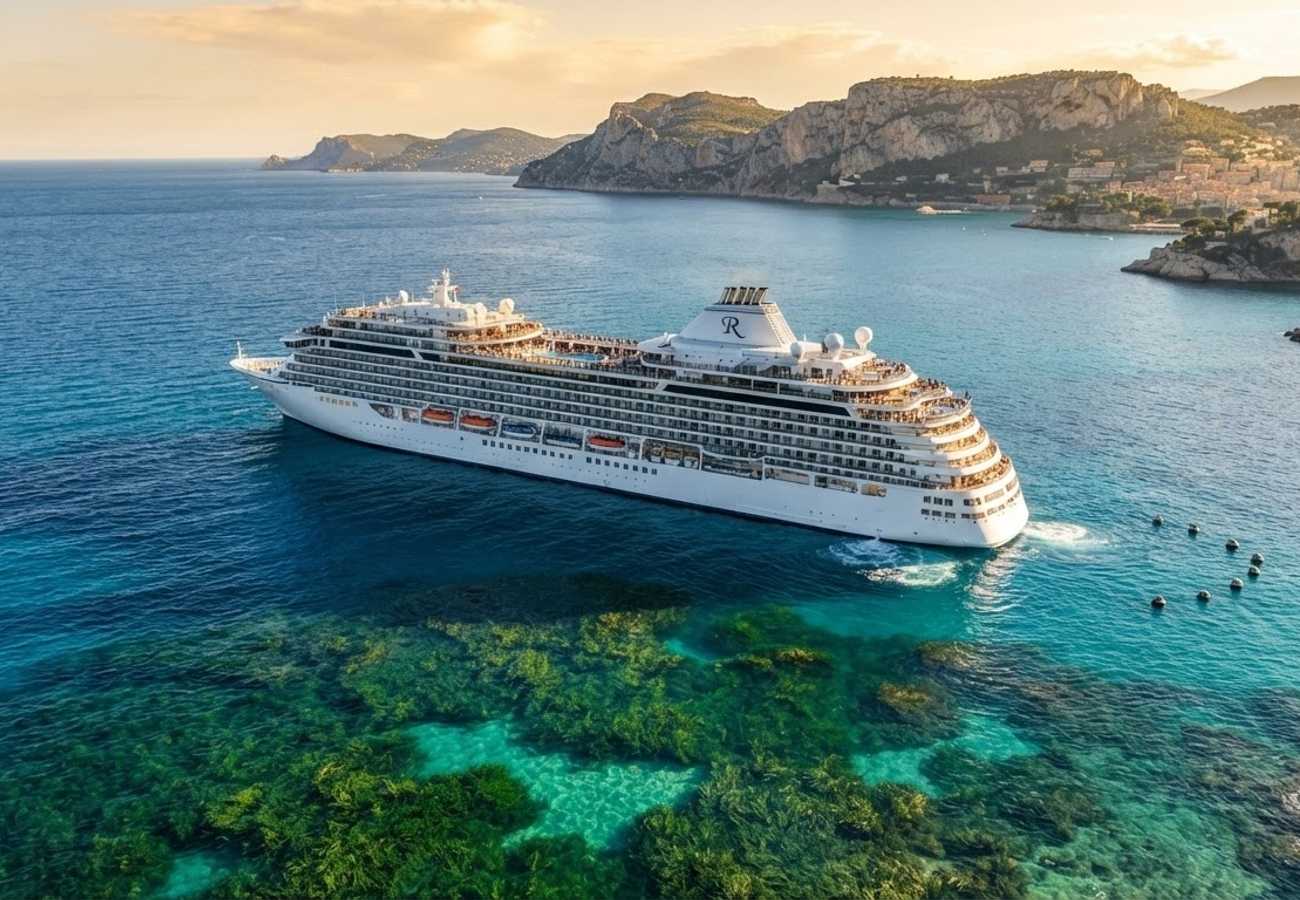
Image generated by AI
European coastal states are aggressively tightening controls on vessel anchoring, accelerating a transition toward smart positioning technologies to meet conservation mandates without sacrificing high-traffic tourist destinations.
Mediterranean Anchoring Restrictions and the Posidonia Mandate
France has emerged as a primary driver in the shift toward "anchor-free" coastal operations. New regional decrees now strictly regulate or prohibit anchoring in sensitive Mediterranean zones, specifically targeting areas containing Posidonia oceanica (seagrass) meadows. According to the French Ministry for Ecological Transition, these meadows serve as vital carbon sinks, coastal erosion barriers, and nurseries for marine biodiversity.
The regulatory framework imposes specific thresholds for vessel compliance:
- Vessels over 45 meters and large yachts: Must utilize designated anchorage areas in highly exposed coastal sectors.
- Vessels between 20 to 24 meters: Prohibited from anchoring on seagrass and other sensitive biotopes under local maritime and environmental agency rules.
Enforcement has escalated through court decisions and financial penalties against skippers documented anchoring in prohibited zones along the Côte d’Azur. In areas like Porquerolles, authorities are transitioning to a layout that prioritizes buoy fields and light infrastructure over seagrass, restricting traditional anchoring exclusively to sandy seabed patches.
Transition to Dynamic Positioning and Smart Station-Keeping
To circumvent these legal restrictions, cruise operators are scaling the use of Dynamic Positioning (DP) systems. Originally utilized in offshore energy and construction, DP uses GPS, thrusters, and automated control software to maintain a ship's position within a precise radius without deploying a physical anchor.
Technical port planning documents indicate that DP is now an accepted alternative for certain yacht and small passenger ship categories in Posidonia protection zones, provided they adhere to strict distance-from-shore and time-limit protocols. For larger cruise vessels, maritime administrations are currently evaluating the safety envelopes required to operate computer-controlled station-keeping in close proximity to the coast.
Regional Compliance and Infrastructure Specifications
While France focuses on seagrass, Northern Europe is applying similar logic to protect fjord ecosystems. In Norway’s UNESCO-listed fjords, such as Geiranger, the Norwegian Coastal Administration mandates a tightly managed anchorage plan. This includes the use of heading control and advanced propulsion for maneuvering near shore.
The shift is summarized in the following operational specifications:
| Region | Primary Environmental Target | Primary Technology/Solution | Regulatory Driver |
|---|---|---|---|
| French Mediterranean | Posidonia oceanica (Seagrass) | Dynamic Positioning & Eco-Mooring | Ministry for Ecological Transition Decrees |
| Norwegian Fjords | UNESCO World Heritage Habitats | Heading Control & Floating Piers | Norwegian Coastal Administration |
| Côte d’Azur | Coastal Biodiversity | Designated Anchorage Zones | Regional Court Enforcement/Fines |
| Porquerolles | Marine Biotopes | Engineered Buoy Fields | Local Maritime Agency Planning |
Traveler Logistics Guide: Navigating the "Green" Transit Shift
From a ground-level perspective, these maritime shifts may subtly alter the cruise experience, particularly for those booking "tender" excursions where ships anchor offshore.
Booking and Connection Advice When selecting itineraries for the Mediterranean or Norwegian Fjords in 2026, travelers should verify if the vessel is equipped with Dynamic Positioning (DP). Ships using DP often provide a more stable experience and can maintain positions closer to shore, potentially reducing tender times.
Navigating Port Changes With the increase in floating piers and articulated walkways in Norway, the traditional "tender boat" experience is being replaced by direct-to-shore access. This streamlines the process for passengers with mobility issues but may change the timing of shore excursions.
Digital Transit Policies Travelers should be aware that these environmental mandates often coincide with "Smart Port" initiatives. Ensure your travel documents are digitized and that you are familiar with local port authority apps, as some European ports are integrating shore-power and emission-tracking data into passenger-facing dashboards to showcase the "green" status of the vessel.
Infrastructure Impact Assessment
The move toward smart positioning and eco-mooring represents a fundamental shift in maritime logistics. By decoupling ship stability from seabed contact, ports can increase the density of visiting vessels without expanding the physical footprint of damaged seabed.
However, maritime safety bodies warn that the reliance on DP systems introduces new risks. Unlike a physical anchor, a software or thruster failure in a DP-reliant ship could lead to rapid drifting toward the coast. Consequently, the next phase of infrastructure investment will likely focus on redundant safety systems and "hybrid" mooring—combining smart positioning with light-touch physical restraints.
The era of the heavy iron anchor is ending as digital precision takes over the European coastline.
Related Travel Guides
Disclaimer
This article is for informational and educational purposes only. It does not constitute legal, financial, or professional advice. While we strive to provide accurate and up-to-date information, travel policies, regulations, and conditions change rapidly. Always verify information with official sources before making travel decisions. Nomad Lawyer makes no representations about the accuracy, reliability, completeness, or suitability of the information provided. Readers should consult qualified professionals for advice specific to their circumstances. The views expressed in this article are those of the author and do not necessarily reflect the views of Nomad Lawyer.
Preeti Gunjan
Contributor & Community Manager
A passionate traveller and community builder. Preeti helps grow the Nomad Lawyer community, fostering engagement and bringing the reader experience to life.
Learn more about our team →