
Europe Hiking Scenic: Alpine Nation's Train-to-Trail Revolution
Switzerland's world-class rail network transforms alpine hiking accessibility in 2026, connecting digital nomads and leisure travelers directly to Europe's most scenic mountain trails without car rentals.

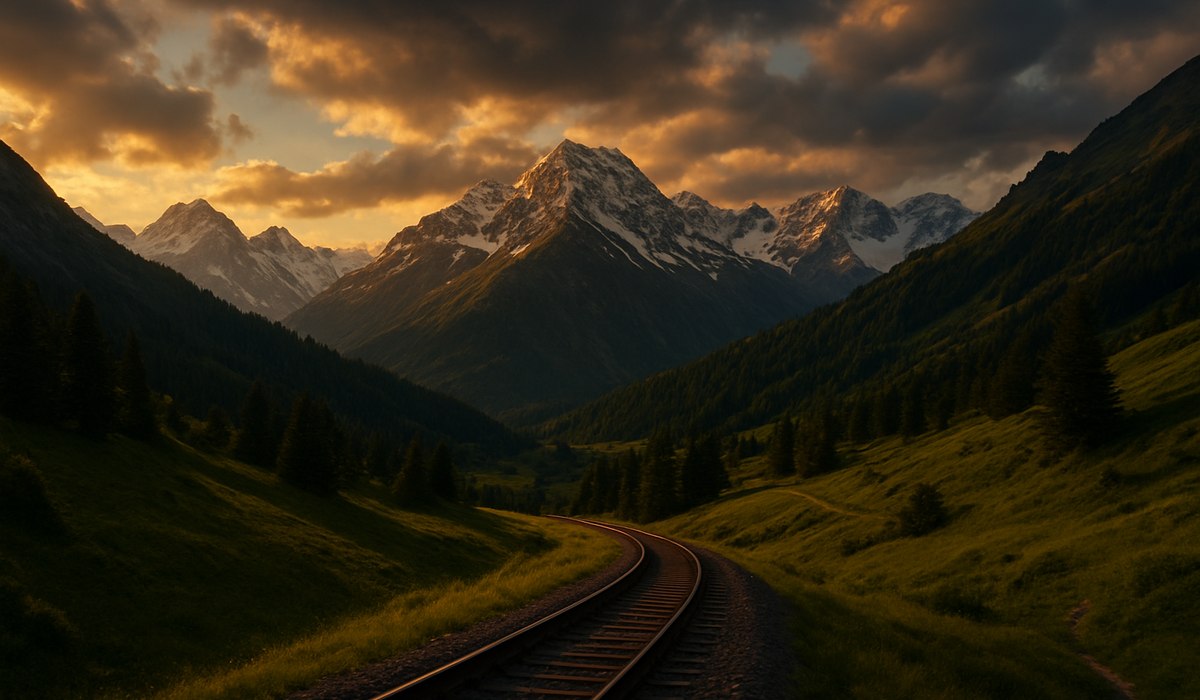
Image generated by AI
Alpine Accessibility Redefined: Europe's Hiking Shines Through Integrated Rail Networks
Switzerland has fundamentally reimagined mountain tourism by proving that europe hiking scenic experiences don't require off-road vehicles, specialized gear, or mountaineering expertise. Instead, this Alpine nation leverages one of the world's most sophisticated rail infrastructures to deliver trekkers directly to pristine trailheads. The 2026 travel season underscores how seamless public transport integration democratizes access to Europe's most stunning hiking destinations, transforming remote peaks into day-trip territory for casual walkers and serious trekkers alike.
The Swiss rail system connects over 5,000 mountain stations and cable car terminals, creating an unparalleled network that virtually eliminates transportation barriers. Visitors simply book regional trains, board at valley towns, and disembark steps away from marked trails. This mountainous country's commitment to accessibility shines brightest for digital nomads, families, and solo travelers seeking authentic alpine experiences without logistical complexity.
Rail-Accessible Hiking: Europe's Most Connected Alpine Destination
Switzerland's railway infrastructure represents the gold standard for trail accessibility across the European continent. The Swiss Travel Pass provides unlimited access to trains, buses, and mountain railways, transforming a single ticket into a comprehensive hiking passport. Visitors purchasing these passes gain entry to over 12,000 kilometers of maintained trails, many accessible within minutes of train stations.
The Jungfrau Region exemplifies this system's efficiency. Travelers board regional trains from Interlaken, transfer to cogwheel railways, and emerge at elevations exceeding 3,454 meters. The journey takes roughly three hours—yet requires zero driving, zero parking concerns, and minimal fitness prerequisites. This mountainous country's hiking infrastructure prioritizes pedestrian access above vehicular convenience, fundamentally differentiating it from alpine regions requiring rental cars.
Regional rail operators coordinate seamlessly with hiking organizations, publishing digital trail maps synchronized with train schedules. The SBB Mobile app provides real-time route optimization, connecting specific trains to seasonal trail conditions. This level of integration proves especially valuable for nomadic workers who value flexibility and predictable planning cycles.
For more information on planning rail-based adventures, visit the official Swiss Federal Railways website.
Top Scenic Trails Reachable by Public Transport
The Rigi Kulm Trail, accessible via mountain railway from Arth-Goldau, delivers panoramic lake and alpine views without elevation gain exceeding 400 meters. The round-trip rail journey plus 90-minute hike fits comfortably into afternoon schedules, proving that europe hiking scenic doesn't demand all-day commitments.
The Oeschinen Lake Trail departs from Kandersteg train station, threading through forested terrain toward an impossibly turquoise alpine lake. This three-hour loop rewards moderate fitness with dramatic rock formations and meadows flowering between June and August. The trail's gentle elevation profile makes it ideal for families and older adults seeking mountainous terrain without extreme exertion.
Säntis Peak, accessible via cogwheel railway to Appenzell Alps, offers 360-degree visibility across six countries from its 2,502-meter summit. Hikers can ascend via transport and descend on foot, or reverse the sequence, customizing effort levels to personal preference. This flexibility exemplifies how Switzerland's rail network accommodates varied abilities and itineraries.
The Schynige Platte Trail system features multiple interconnected paths, all reachable by historic mountain railway from Wilderswil. Alpine meadows dotted with wildflowers create unforgettable photography opportunities, particularly during peak flowering periods from late June through July.
Why Train-to-Trail Infrastructure Benefits Digital Nomads
Remote workers prioritize flexibility and reduced planning overhead—attributes perfectly aligned with Switzerland's rail-hiking ecosystem. Rather than coordinating car rentals, managing fuel logistics, or navigating unfamiliar mountain roads, digital nomads utilize pass-and-go mobility to access today's trails while maintaining flexible schedules.
The Swiss Travel Pass accommodates spontaneous decisions: workers can decide mid-morning to explore different valleys, board trains immediately, and hike without advance planning. This adaptability proves invaluable for nomads managing unpredictable workdays, client meetings, and timezone variations. Mountain towns hosting reliable wifi and co-working spaces (Zermatt, Grindelwald, Appenzell) position themselves as basecamp destinations where knowledge workers can maintain productivity while accessing europe hiking scenic trails daily.
Furthermore, rail-based hiking eliminates environmental concerns associated with rental vehicles. Nomads increasingly prioritize sustainable travel, and Switzerland's rail network operates primarily through hydroelectric and renewable energy sources. This alignment between transportation infrastructure and eco-conscious values appeals particularly to digital professionals seeking responsible travel integration.
The social dimensions prove equally significant. Train cars and valley stations create natural meeting points for solo travelers, families, and hiking groups. Unlike isolated driving experiences, rail-based adventures facilitate community building and spontaneous friendship formation—factors enhancing mental health and reducing travel isolation.
Planning Your Alpine Adventure Without a Rental Car
Begin by identifying accommodation within 10 minutes of major train stations. Interlaken, Zermatt, Kandersteg, and Appenzell serve as established hiking hubs with robust hospitality infrastructure. These towns offer abundant lodging, restaurants, and equipment shops, eliminating logistical concerns.
Purchase the Swiss Travel Pass appropriate to your itinerary length. Three-day, seven-day, and monthly variations exist, accommodating weekend warriors and extended nomadic stays alike. Calculate expected train journeys before purchasing; frequent hikers typically recover pass costs within five to eight excursions.
Download the SBB Mobile app before arrival, enabling offline access to schedules, real-time service updates, and integrated ticketing. The app displays train platforms, boarding times, and connections with precision unavailable from printed schedules, proving essential for coordinating complex multi-leg journeys.
Consult SAC (Swiss Alpine Club) trail databases for detailed route descriptions, elevation profiles, and seasonal accessibility information. Spring and autumn offer optimal conditions: summer brings crowds and potential afternoon thunderstorms, while winter routes require specialized equipment and avalanche awareness.
Pack layers despite seemingly clear weather. Alpine conditions change rapidly; temperature drops approximately 1 degree Celsius per 100 meters elevation gain. Sun exposure at altitude intensifies dramatically, necessitating robust sunscreen application. Bring adequate water—alpine streams, while scenic, may contain parasites; carry purification tablets or hydration bottles with built-in filters.
Cruise Itinerary at a Glance
| Aspect | Details |
|---|---|
| Departure Port | Zurich, Switzerland |
| Vessel Type | Alpine Rail Adventure Package |
| Duration | 7 Days |
| Primary Regions | Bernese Oberland, Valais, Appenzell Alps |
| Daily Hiking Hours | 2-4 hours moderate difficulty |
| Accommodation | Historic mountain towns (Interlaken, Zermatt, Kandersteg) |
| Transportation | 100% rail-based connectivity |
| Peak Season | June through September |
| Best for | Digital nomads, families, solo travelers, senior adventurers |
| Average Trail Elevation | 1,200-2,500 meters |
What This Means for Travelers
1. Accessibility Democratization: Europe hiking scenic experiences no longer require advanced mountain skills, expensive gear, or high fitness thresholds. Switzerland's infrastructure enables casual walkers to reach views previously accessible only to experienced mountaineers.
2. Cost Efficiency: Swiss Travel Passes eliminate daily transportation expenses. Compared to car rental, fuel, parking fees, and potential accident liability, multi-day passes generate substantial savings while providing unlimited exploration flexibility.
3. Environmental Responsibility: Rail-based hiking reduces individual carbon footprints by approximately 90% compared to car-dependent alternatives. Sustainability-minded travelers align personal values with travel logistics.
4. Workplace Integration: Digital nomads can establish stable accommodation and
Disclaimer
This article is for informational and educational purposes only. It does not constitute legal, financial, or professional advice. While we strive to provide accurate and up-to-date information, travel policies, regulations, and conditions change rapidly. Always verify information with official sources before making travel decisions. Nomad Lawyer makes no representations about the accuracy, reliability, completeness, or suitability of the information provided. Readers should consult qualified professionals for advice specific to their circumstances. The views expressed in this article are those of the author and do not necessarily reflect the views of Nomad Lawyer.
Kunal K Choudhary
Co-Founder & Contributor
A passionate traveller and tech enthusiast. Kunal contributes to the vision and growth of Nomad Lawyer, bringing fresh perspectives and driving the community forward.
Learn more about our team →