
Europe Faces Fuel Squeeze as Hormuz Crisis Darkens Summer 2026
Europe faces fuel squeeze from Strait of Hormuz disruptions in 2026, forcing airlines to hike fares and cut capacity ahead of peak summer travel. Airports warn of systemic shortages within weeks.

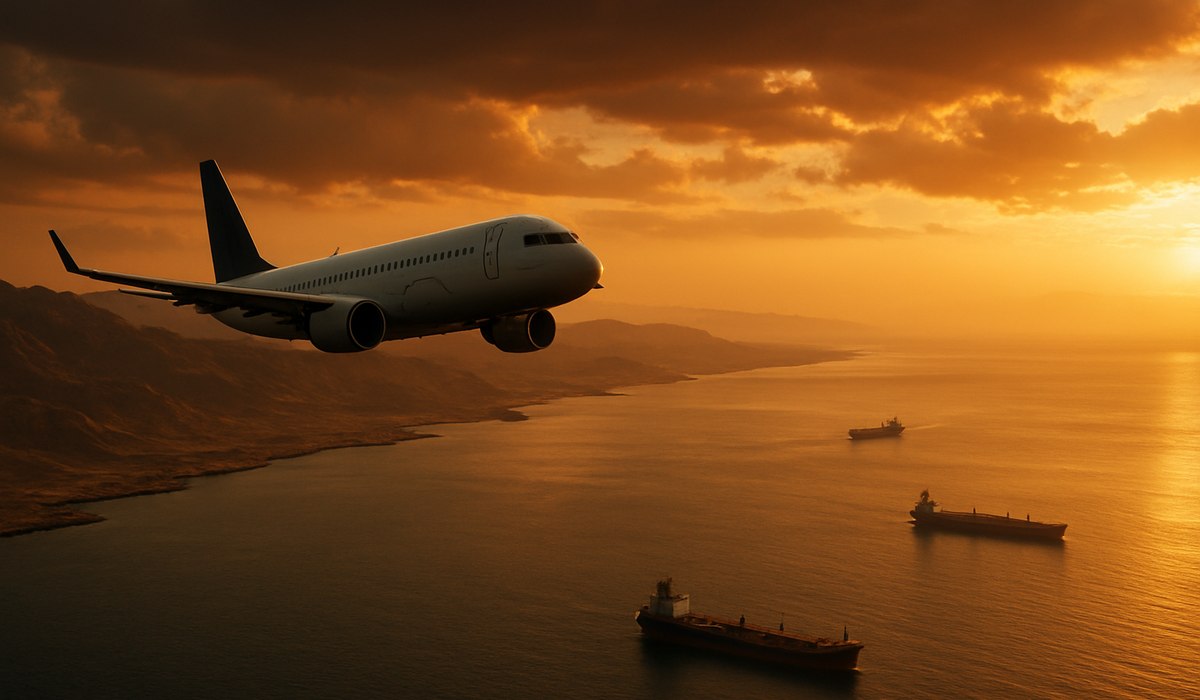
Image generated by AI
European Summer Travel Braces for Soaring Airfares and Flight Cuts
Europe's aviation sector is grappling with a critical jet fuel shortage stemming from prolonged disruptions at the Strait of Hormuz, threatening to derail peak summer travel season. Since early March 2026, geopolitical tensions have effectively choked the narrow Persian Gulf waterway, eliminating roughly one-fifth of global seaborne jet fuel supplies from international markets. Airlines across the continent are already responding with substantial fare increases and reduced flight capacity. Travelers heading to Mediterranean destinations, European capitals, and long-haul gateways should expect significantly higher ticket prices and tighter seat availability through October.
Hormuz Disruption Turns Into Aviation Fuel Shock
The closure of the Strait of Hormuz represents an unprecedented stress test for European aviation infrastructure. This critical maritime chokepoint normally handles approximately 20 percent of worldwide jet fuel shipments destined for global markets. Europe's dependence on Middle Eastern energy creates particular vulnerability—energy consultancies estimate that between 25 and 33 percent of continental jet fuel demand is typically supplied by Persian Gulf refineries and crude oil destined for European processing plants.
With tankers rerouted, delayed, or immobilized, critical fuel flows have contracted sharply during precisely the wrong season. Airlines traditionally increase flight operations by 30 to 40 percent between April and October to capture summer leisure demand. This timing collision between supply disruption and peak demand represents a worst-case scenario for aviation logistics.
The geopolitical backdrop amplifies market pressure significantly. Ongoing regional conflict involving Iran, the United States, and Israel has triggered substantial turbulence across global energy markets. According to trade press analysis, key European jet fuel price benchmarks have surged more than 70 percent since hostilities intensified—approaching price levels last observed during the 2022 energy crisis. While Europe faces fuel cost escalation, physical shortages remain the greater concern for operational continuity.
Europe's Exposure to Middle Eastern Energy Supply
European airports and refineries built their supply chains around predictable Persian Gulf flows. The continent's energy infrastructure lacks the diversification seen in North America, where multiple domestic production facilities and the ability to source from diverse Atlantic suppliers provides greater resilience. Europe's integrated refinery network and strategic reserves have so far prevented acute shortages, but energy analysts warn that complacency carries substantial risk.
The Strait of Hormuz carries approximately one-fifth of globally traded oil and represents an irreplaceable pipeline for liquefied natural gas and refined products. For aviation specifically, the disruption eliminates dedicated jet fuel cargoes that would normally arrive at Amsterdam, Rotterdam, Antwerp, and Mediterranean port terminals. Tanker diversions around Africa add 2-3 weeks to transit times and increase shipping costs, compounding price pressure.
Several Italian airports have already begun implementing refueling restrictions on scheduled services, according to regional aviation authorities. These measures force airlines to tank additional fuel from better-supplied hubs before routing services to fuel-constrained airports—an expensive workaround that shifts costs directly to passengers. Additional context on aviation fuel markets is available through the International Air Transport Association's energy analysis portal.
Price Surge and Market Turbulence Intensifies
European airlines face a trilemma: absorb fuel cost increases through reduced profitability, pass costs to passengers via fare increases, or trim capacity to lower overall fuel consumption. Industry data reveals that most carriers are pursuing a combination strategy rather than single approaches. Large network carriers with fuel hedging programs—advance contracts locking in prices—enjoy partial protection from immediate spikes. However, hedges cannot address physical delivery constraints.
Low-cost carriers and leisure operators lack extensive hedging programs, making them acutely vulnerable to price shocks. Several Spanish and Italian carriers have already announced spring flight cancellations tied to fuel cost uncertainty. Price comparison platforms report average ticket costs on Mediterranean routes running 25-35 percent higher than April 2025 levels. Fuel surcharges, previously dormant, have reappeared on transatlantic bookings and long-haul leisure routes.
The fuel squeeze extends beyond direct price impacts. Uncertainty over supply continuity prompts airlines to reduce frequencies on marginal routes while maintaining capacity on lucrative high-yield services. Regional connectivity suffers disproportionately, as smaller markets see schedules trimmed to redirect aircraft toward major hub operations. Business travel routes maintain better frequency, while leisure routes show visible thinning.
What Travelers Can Expect This Summer
Airports Council International Europe warned European Union policymakers that systemic jet fuel shortages could materialize within three weeks without restored Hormuz traffic. The organization represents hundreds of continental airports, providing authoritative insight into infrastructure stress. Summer travelers should anticipate these specific conditions:
1. Higher Average Fares Across All Route Types Standard round-trip Mediterranean bookings will likely command 20-40 percent premiums compared to historical April-June pricing. Transatlantic routes show even steeper escalation. Early summer weeks (April through early June) face the sharpest pressure before potential supply normalization.
2. Reduced Flight Frequency on Regional Routes Smaller European airports and secondary city pairs will experience visible schedule reductions. Connections through major hubs will lengthen as airlines consolidate frequencies. Allow extra connection time—typical 60-minute connections may prove inadequate.
3. Tighter Capacity on Popular Routes Airlines are deploying smaller aircraft on less critical routes and consolidating multiple daily frequencies into single flights. Peak summer weekends (Thursday through Sunday) will show especially constrained availability. Last-minute bookings will become increasingly difficult and expensive.
4. Potential Supply Rationing and Flight Prioritization If physical shortages materialize, airports may be forced to prioritize long-haul, internationally strategic, and high-yield routes while restricting regional services. Short-haul flights face the greatest cancellation risk under constrained supply scenarios.
5. Extended Airport Dwell Times Fuel availability constraints may force airlines to tank fuel from secondary locations, creating longer turnaround times between flights. Ground delays related to fuel logistics could increase, particularly at capacity-constrained southern European airports.
Key Aviation Fuel Supply Data
| Metric | 2026 Status | Impact on Travelers |
|---|---|---|
| Global Seaborne Jet Fuel via Hormuz | ~20% | Supply disruption across all regions |
| Europe's Middle East Fuel Dependency | 25-33% | Acute continental vulnerability |
| European Jet Fuel Price Increase | +70% since March | Fares +20-40% above 2025 levels |
| Time for Systemic Shortage Warning | 3 weeks | Window for supply restoration closing |
| Airlines with Hedging Protection | ~35% | Majority absorbing full price impact |
| Reported Schedule Reductions (Southern Europe) | 5-12% | Visible on Spain/Italy routes |
| Forecast Capacity Constraint Period | April-September | Peak summer travel window affected |
FAQ: Europe's Summer Travel Fuel Crisis
Q: Will my summer flight be canceled due to fuel shortages? A: Cancellation risk depends on route, airline size, and fuel availability progression. Major carriers with hedging programs prioritize schedules; low-cost carriers show greater vulnerability. Regional routes face higher cancellation risk than major city-pair connections.
Q: Should I book my summer vacation now or wait for prices to drop? A: Fuel crisis indicators suggest prices will remain elevated through summer. Booking sooner locks in current rates; waiting risks higher fares as scarcity increases perceived value. Consider non-peak travel weeks (early June, September) for better availability and pricing.
Q: Are European airports in physical danger of running out of jet fuel? A: Complete shortages appear unlikely given storage capacity and refinery diversity. However, constraint periods of 3
Disclaimer
This article is for informational and educational purposes only. It does not constitute legal, financial, or professional advice. While we strive to provide accurate and up-to-date information, travel policies, regulations, and conditions change rapidly. Always verify information with official sources before making travel decisions. Nomad Lawyer makes no representations about the accuracy, reliability, completeness, or suitability of the information provided. Readers should consult qualified professionals for advice specific to their circumstances. The views expressed in this article are those of the author and do not necessarily reflect the views of Nomad Lawyer.
Kunal K Choudhary
Co-Founder & Contributor
A passionate traveller and tech enthusiast. Kunal contributes to the vision and growth of Nomad Lawyer, bringing fresh perspectives and driving the community forward.
Learn more about our team →