
Estonia Is Now Seasonal for Autumn Travelers as Tallinn and Other Cities Are Equipped with Innovative Strategies
Estonia Is Now Seasonal for Autumn Travelers as Tallinn and Other Cities Are Equipped with Innovative Strategies

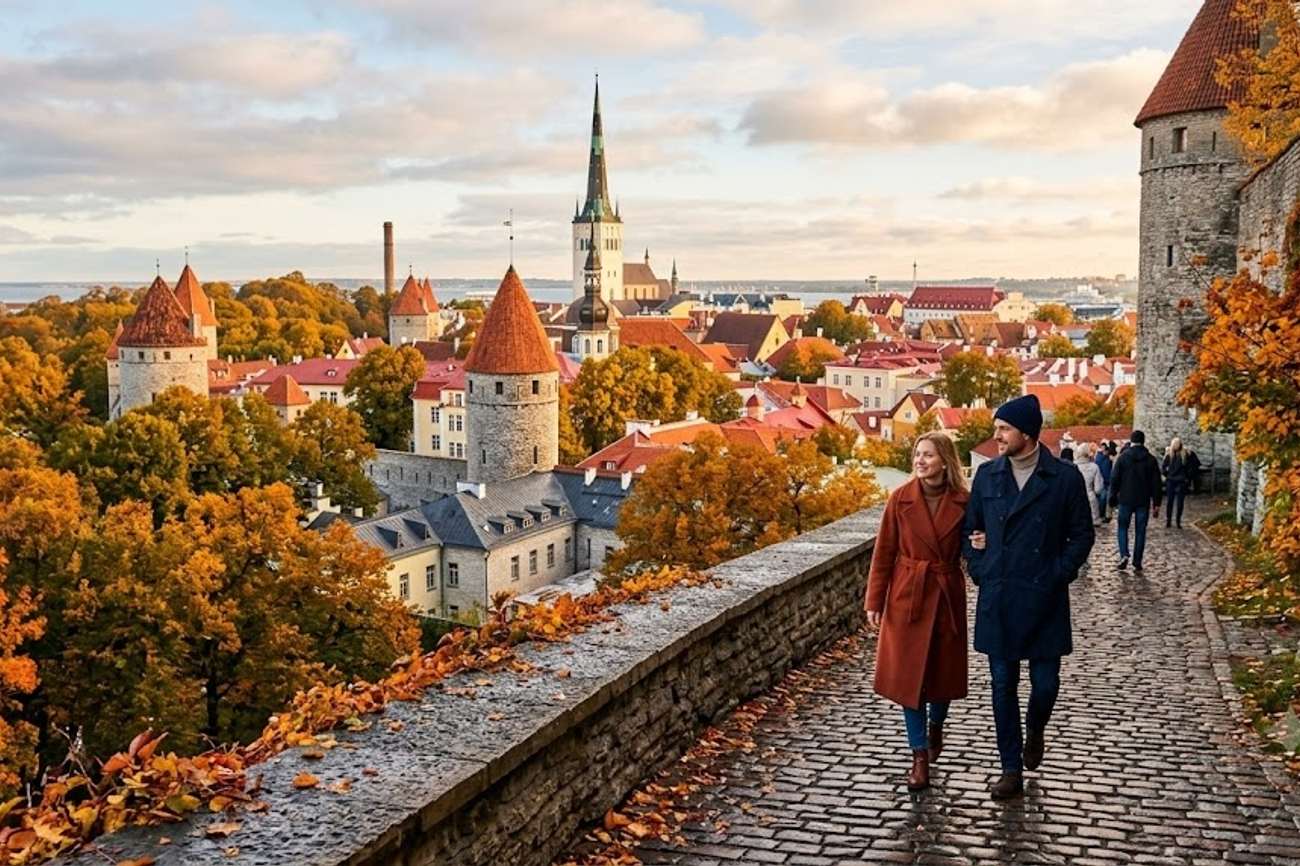
Image generated by AI
13 distinct municipalities across Estonia, ranging from the urban hub of Tallinn to the remote Setomaa region, are aggressively diversifying their service offerings to capture the autumn 2026 travel market. This strategic pivot represents a calculated move by the Estonian tourism sector to mitigate the volatility of summer-centric revenue streams. By repositioning the country as a destination for "slow travel," wellness, and heritage exploration during the shoulder season, Estonia is attempting to decouple its tourism economy from the traditional July-August peak.
The Strategic Pivot to Shoulder Season Tourism
The Estonian government and regional tourism boards are shifting their focus toward a decentralized model of travel. Rather than concentrating international arrivals in the capital, the 2026 strategy emphasizes a distribution of visitors across various counties—including Harju, Tartu, Pärnu, and the islands of Saaremaa and Muhu. This movement is not merely about increasing visitor numbers but about altering the type of visitor. The goal is to attract the "immersive traveler"—individuals who prioritize cultural depth and environmental connection over checklist-style sightseeing.
This transition is supported by a sophisticated infrastructure of visitor-friendly services designed to operate in cooler climates. From the spa resorts of Pärnu to the fortress-based tourism of Narva, the focus has shifted toward indoor-outdoor hybrid experiences. This allows destinations to maintain high occupancy rates in hotels and guesthouses even as temperatures drop, effectively extending the economic viability of local hospitality businesses.
Regional Specialization and Infrastructure Breakdown
The distribution of autumn tourism is being segmented by "destination personas," ensuring that different traveler archetypes—from the wellness seeker to the history enthusiast—have a dedicated geographic anchor.
| Destination | Primary Region | Autumn 2026 Strategic Focus | Critical Infrastructure |
|---|---|---|---|
| Tallinn | Harju County | Urban cultural gateway; design and food tours | Int'l transport hubs, museums |
| Tartu | Southern Estonia | Academic heritage and creative city experiences | University facilities, galleries |
| Pärnu | Western Estonia | Post-summer wellness and coastal relaxation | Spa hotels, wellness centers |
| Kuressaare | Saaremaa Island | Island heritage and slow-paced nature escapes | Ferry links, spa resorts |
| Otepää | Southern Estonia | Active outdoor tourism and landscape photography | Forest trails, adventure services |
| Haapsalu | Western Estonia | Romantic seaside heritage and railway history | Boutique hotels, guesthouses |
| Narva | Eastern Estonia | Border architecture and fortress exploration | Museums, riverfront transport |
| Värska | Setomaa Region | Traditional Seto culture and spa retreats | Spa facilities, craft centers |
| Viljandi | Southern Estonia | Folk culture and lakeside heritage walks | Cultural venues, craft shops |
| Rakvere | Northern Estonia | Medieval identity and family-oriented events | Castles, visitor services |
| Võru | Southern Estonia | Rural authenticity and lake-district hiking | Nature routes, guesthouses |
| Muhu Island | Western Estonia | Rural crafts and traditional village life | Ferry access, rural stays |
Expert Analysis: The Economics of "Slow Travel"
For the international traveler, the shift toward an autumn-focused strategy in Estonia creates a tangible change in the cost-benefit analysis of visiting the Baltics. When a destination like Pärnu—traditionally a summer-only beach town—rebrands as a wellness hub for autumn, it creates a pricing equilibrium. The "summer premium" on hotels typically disappears, while the quality of service often increases due to lower occupancy levels.
The direct consequence for travelers booking these routes in 2026 will be a significant reduction in "overtourism" friction. In Tallinn’s Old Town, the transition from summer crowds to autumn city breaks allows for a more authentic interaction with the Visit Estonia ecosystem. Furthermore, the emphasis on "slow travel" in regions like Muhu Island and the Setomaa area suggests a move toward higher-value, lower-impact tourism. This is a regulatory and environmental necessity; by spreading visitors across 13 different hubs, Estonia prevents the degradation of its natural forest landscapes.
From a logistical perspective, the reliance on ferry connections to Kuressaare and Muhu Island remains a critical bottleneck. However, the integration of wellness packages in these island destinations incentivizes longer stays. For the nomad lawyer or the remote professional, this means the "workation" potential of Estonia expands. The presence of high-standard hotels and museums in Tartu and Tallinn, combined with the tranquility of Otepää’s forest trails, provides a balanced environment for those who can decouple their work from a fixed office.
Estonia has become a popular destination for autumn travelers, with cities like Tallinn offering a range of innovative strategies to enhance the visitor experience. For the latest information on travel requirements and regulations, visitors can check the official website of the Estonian Ministry of Foreign Affairs for updates and guidance. This includes details on visa requirements, customs regulations, and health protocols.
The pricing pressure created by this diversification will likely lead to more competitive "autumn packages" across the International Air Transport Association (IATA) monitored routes into Tallinn. As airlines see a more consistent demand curve throughout the year, the likelihood of seasonal flight cancellations or drastic price hikes in the shoulder season decreases.
Key Takeaways
- Diversified Hubs: Tourism is shifting from a Tallinn-centric model to a network of 13 specialized towns, including Tartu, Pärnu, and Narva.
- Wellness Pivot: Former summer beach destinations like Pärnu and Kuressaare are repositioning as year-round spa and wellness centers.
- Nature-Centric Growth: Otepää and the Võru region are becoming primary anchors for active autumn tourism, focusing on photography and hiking.
- Cultural Depth: The 2026 strategy prioritizes "immersive experiences" over sightseeing, emphasizing Seto culture in Värska and folk traditions in Viljandi.
- Infrastructure Readiness: All identified regions have established specific visitor facilities, from boutique guesthouses in Haapsalu to international transport links in Tallinn.
FAQ: Estonia Autumn Travel 2026
Which Estonian towns are best for wellness in autumn? Pärnu and Kuressaare are the primary wellness hubs. Pärnu offers extensive spa hotels and coastal walks, while Kuressaare on Saaremaa Island combines spa resorts with a slower, island-paced environment.
Is it easy to travel between these towns in the autumn? Yes. Tallinn serves as the main gateway with international links. Other towns like Tartu and Narva have established public transport, while island destinations like Muhu and Saaremaa are accessible via ferry connections.
What are the best activities for nature lovers in autumn 2026? Otepää is the top choice for forest trails and landscape photography. The Võru region is ideal for lake-district hiking, while the Setomaa region offers a mix of forest exploration and traditional handicrafts.
Are the museums and cultural sites in Estonia open during the autumn? Yes. Major cultural gateways like Tallinn and Tartu maintain year-round operations for their museums, galleries, and historic sites, with specific autumn programs designed for city breaks.
The transition from summer peaks to autumn immersions marks Estonia's evolution into a sophisticated, year-round destination for the conscious traveler.
Tags: Tallinn-Tourism-2026, Saaremaa-Island-Travel, Estonia-Wellness-Tourism, Setomaa-Culture, Otepää-Nature-Tours, Baltic-Slow-Travel
Related Travel Guides
Disclaimer
This article is for informational and educational purposes only. It does not constitute legal, financial, or professional advice. While we strive to provide accurate and up-to-date information, travel policies, regulations, and conditions change rapidly. Always verify information with official sources before making travel decisions. Nomad Lawyer makes no representations about the accuracy, reliability, completeness, or suitability of the information provided. Readers should consult qualified professionals for advice specific to their circumstances. The views expressed in this article are those of the author and do not necessarily reflect the views of Nomad Lawyer.
Naina Thakur
Contributor & Travel Specialist
Travel enthusiast and legal writer covering visa regulations, responsible tourism, and cultural journeys across global destinations.
Learn more about our team →