
Icelandair Ends Boeing 757 Era Years Earlier Than Expected, Signaling Shift in Aviation Strategy
Breaking airline news and aviation industry updates for 2026.

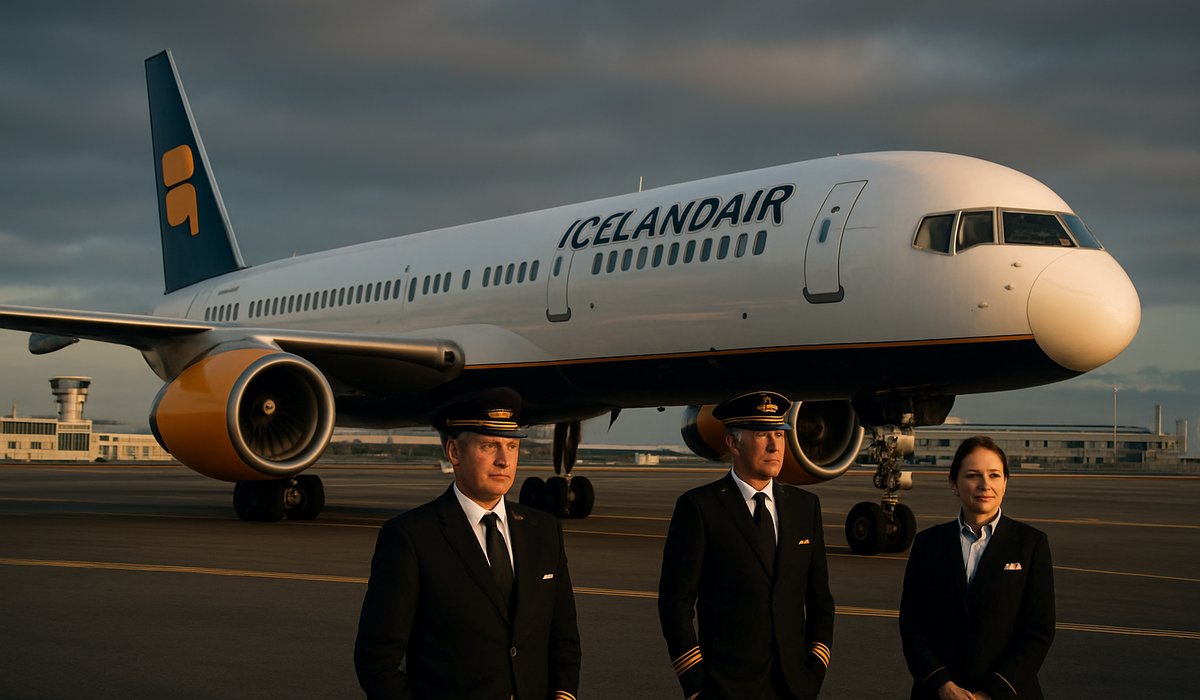
Image generated by AI
Icelandair Ends Boeing 757 Era Years Earlier Than Expected, Signaling Shift in Aviation Strategy
The Icelandic carrier accelerates retirement of its workhorse fleet amid broader industry transition toward modern, fuel-efficient aircraft
Historic Fleet Transition Accelerates
Icelandair has announced an unexpected acceleration of its Boeing 757 retirement timeline, with the carrier now planning to ground its entire fleet of the twin-engine aircraft by winter rather than maintaining operations through summer 2027. The decision marks a pivotal moment for Iceland's national airline, which has built its transatlantic network around the 757's unique capabilities for nearly four decades.
The 757—a narrow-body jet renowned for its exceptional range and operational efficiency on thin routes—has long served as the backbone of Icelandair's strategy to connect Keflavik International Airport with secondary markets across Europe and North America that larger carriers typically overlook. The aircraft's early departure signals fundamental changes in the airline's fleet modernization roadmap and operational priorities.
What's Driving the Accelerated Timeline?
Industry analysts point to several converging factors behind Icelandair's decision. The rising costs associated with maintaining aging aircraft, coupled with elevated jet fuel prices driven by ongoing geopolitical tensions, have intensified pressure on carriers to accelerate fleet renewals. Additionally, newer generation aircraft such as the Boeing 737 MAX and Airbus A321neo offer superior fuel efficiency and lower operating costs—critical advantages as airlines contend with inflationary pressures affecting baggage charges, seat pricing, and ancillary fees.
Regulatory compliance requirements for aging aircraft and the airline's broader sustainability goals have also played a role in expediting the transition. Modern alternatives significantly reduce carbon emissions per passenger-kilometer, aligning with European Union environmental mandates and growing consumer demand for greener travel options.
Industry-Wide Implications
Icelandair's accelerated 757 retirement reflects a broader aviation sector trend. Legacy aircraft that once provided competitive advantages are increasingly becoming financial liabilities. Other carriers operating similar fleets face comparable pressures to modernize, particularly as maintenance costs and spare parts availability become more challenging for aging platforms.
The move also underscores how external pressures—fuel price volatility, environmental regulations, and post-pandemic financial recoveries—continue reshaping airline fleet strategies globally. Carriers must balance immediate operational costs against long-term competitiveness, with airline fees and pricing structures often adjusted to offset higher capital expenditures on new aircraft.
For Icelandair, the transition promises improved operational efficiency and enhanced competitiveness on its key transatlantic routes, though the winter retirement timeline presents logistical challenges requiring careful capacity management across its network.
FAQ: Understanding Icelandair's Boeing 757 Retirement
Q: Why is Icelandair retiring the Boeing 757 earlier than planned? A: Rising maintenance costs, elevated jet fuel prices, stricter emissions regulations, and the superior efficiency of modern aircraft like the 737 MAX make continued 757 operations economically unfavorable.
Q: How will this affect airline fees and ticket prices? A: Initially, baggage charges and ancillary fees may stabilize as newer aircraft reduce per-seat operating costs, though competitive pricing dynamics will ultimately determine consumer impact.
Q: What aircraft will replace the Boeing 757? A: Icelandair is transitioning to modern narrow-body jets offering better fuel efficiency and lower operating costs, though specific replacement aircraft details remain company-specific.
Q: Does this retirement affect other airlines operating the 757? A: Yes. The decision reflects industry-wide pressure on 757 operators to modernize, particularly as jet fuel prices and maintenance costs climb globally.
Q: When will the 757s be completely retired? A: Icelandair plans to complete the retirement by winter 2024/2025, approximately two years ahead of the original 2027 schedule.
Related Travel Guides
-
Boeing Rolls Royce Engine Failures Force Market Restructuring in 2026
-
Kuwait Airways Travel Chaos: Dozens Stranded After Mass Cancellations
-
Armonia Europe Cruise 2026: MSC Ship Repositions from South America
External Resources
Disclaimer
This article is for informational and educational purposes only. It does not constitute legal, financial, or professional advice. While we strive to provide accurate and up-to-date information, travel policies, regulations, and conditions change rapidly. Always verify information with official sources before making travel decisions. Nomad Lawyer makes no representations about the accuracy, reliability, completeness, or suitability of the information provided. Readers should consult qualified professionals for advice specific to their circumstances. The views expressed in this article are those of the author and do not necessarily reflect the views of Nomad Lawyer.
Kunal K Choudhary
Co-Founder & Contributor
A passionate traveller and tech enthusiast. Kunal contributes to the vision and growth of Nomad Lawyer, bringing fresh perspectives and driving the community forward.
Learn more about our team →