
End Of An Era: Final Spirit Airlines Flight Lands In Dallas As Carrier Confirms Shutdown
Spirit Airlines, the ultra-low-cost carrier that revolutionized budget air travel, has officially ceased operations. The final flight NK1833 touched down in Dallas/Fort Worth early Saturday morning, marking the end of more than four decades of service.

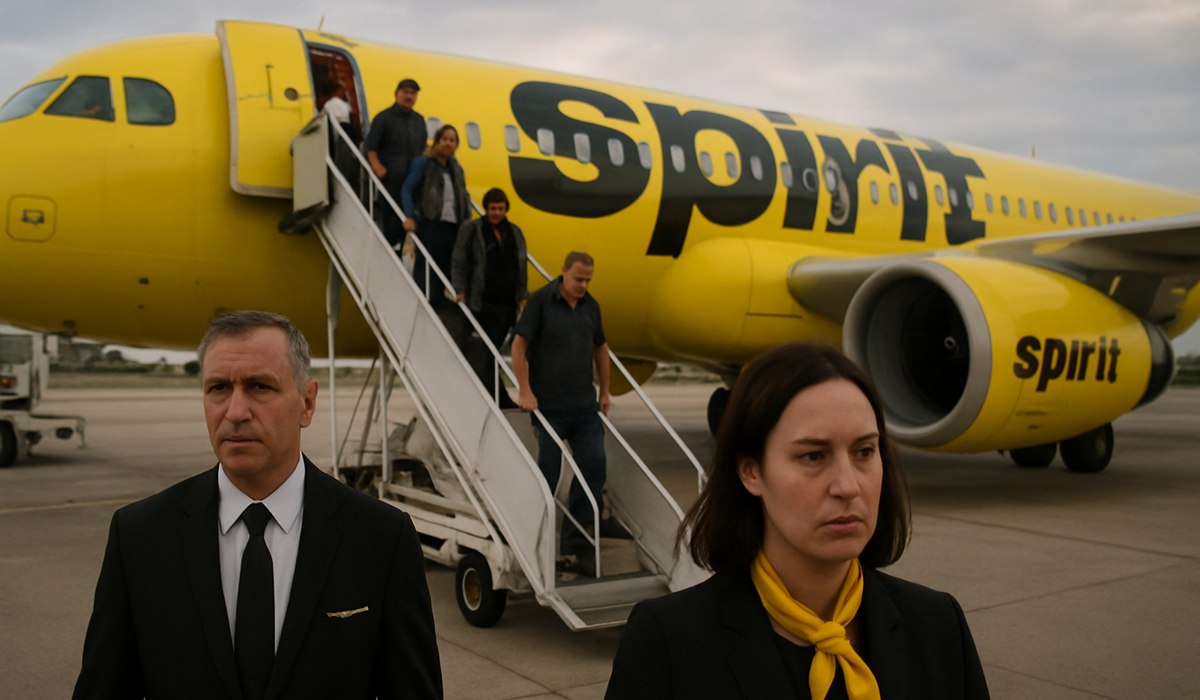
Image generated by AI
End Of An Era: Final Spirit Airlines Flight Lands In Dallas As Carrier Confirms Shutdown
The last Spirit Airlines flight — NK1833 from Detroit Metropolitan Wayne County Airport (DTW) to Dallas/Fort Worth International Airport (DFW) — touched down shortly after midnight in the early hours of Saturday, marking the end of more than four decades of operations for the ultra-low-cost carrier. The shutdown follows a tumultuous period for the Florida-based airline, which found itself squeezed by soaring jet fuel costs and the lingering grounding of its fleet due to Pratt & Whitney engine inspections.
The Final Flight
As passengers disembarked from flight NK1833, they became part of aviation history. What was meant to be just another routine cross-country journey became the symbolic end of an iconic budget airline brand that had served millions of travelers since its inception. The aircraft touched down at Dallas/Fort Worth International Airport in the early morning hours, with no fanfare or special ceremony—just a quiet conclusion to decades of no-frills air service.
A Carrier Under Pressure
Spirit Airlines' demise didn't happen overnight. The carrier had been struggling against mounting pressures that ultimately proved insurmountable. The primary factors that led to the shutdown included:
- Surging jet fuel costs that squeezed profit margins beyond recovery
- Fleet groundings related to Pratt & Whitney engine safety inspections
- Operational challenges stemming from the extended maintenance period
- Market competition from larger carriers and other budget airlines
The combination of these factors created a perfect storm for the Florida-based airline, which had built its business model on razor-thin margins and operational efficiency.
Legacy Of Ultra-Low-Cost Travel
Over its 40+ years of operation, Spirit Airlines fundamentally changed the way Americans thought about air travel. The carrier pioneered the ultra-low-cost carrier (ULCC) model, introducing unbundled fares and à la carte pricing that allowed budget-conscious travelers to fly for rates previously thought impossible. While the model was controversial—and sometimes derided for its strict baggage policies and additional fees—it made air travel accessible to millions.
Spirit's approach to pricing influenced the entire aviation industry, with competitors adopting similar strategies to remain competitive. The airline's impact on the industry will be felt long after its final flight has landed.
What's Next For Passengers?
The shutdown of Spirit Airlines raises important questions for the traveling public:
Affected Passengers and Bookings
- Passengers with future Spirit flights have been advised to make alternative arrangements
- Refunds and rebooking assistance have been made available through official channels
- Travel insurance and credit card protections may apply to eligible passengers
Loyalty Program Members
- Spirit's loyalty program members are being offered various compensation options
- Points and credits may be redeemable through partner airlines or converted to travel vouchers
The Broader Aviation Landscape
Spirit's shutdown represents a significant consolidation in the ultra-low-cost carrier segment. With fewer ULCC operators in the market, passengers may see:
- Reduced price competition on certain routes
- Consolidation around remaining budget carriers like Frontier and Allegiant Air
- Potential fare increases on routes previously served by Spirit
Industry Implications
The loss of Spirit Airlines is more than just the closure of one carrier—it signals potential challenges facing the airline industry as a whole. Rising operational costs, fuel price volatility, and supply chain disruptions continue to pressure airlines of all sizes.
Larger carriers with more diversified route networks and premium service offerings are better positioned to absorb these shocks, while smaller, specialized carriers operating on thin margins face an increasingly difficult environment.
Frequently Asked Questions
Q: What was Spirit Airlines' primary business model? A: Spirit Airlines operated as an ultra-low-cost carrier (ULCC), offering extremely competitive base fares supplemented by additional fees for amenities like baggage, seat selection, and onboard refreshments.
Q: When did Spirit Airlines begin operations? A: Spirit Airlines had been operating for more than four decades before its shutdown in 2026, making it a long-standing player in the budget airline segment.
Q: What caused Spirit Airlines to shut down? A: The shutdown resulted from a combination of soaring jet fuel costs, extended fleet groundings due to Pratt & Whitney engine inspections, and mounting operational pressures that the carrier could not overcome.
Q: Will other budget airlines fill the void left by Spirit? A: While other ultra-low-cost carriers like Frontier and Allegiant Air continue to operate, Spirit's routes may see reduced competition and potentially higher fares going forward.
Q: What recourse do passengers with Spirit bookings have? A: Passengers are advised to contact their booking method, use travel insurance, or reach out to their credit card company for potential reimbursement and alternative travel arrangements.
Q: How does this affect the broader airline industry? A: Spirit's shutdown highlights the vulnerability of carriers operating with minimal margins in an environment of rising costs and demonstrates that even established airlines can face existential threats.
The end of Spirit Airlines marks the conclusion of a significant chapter in American aviation history. As the industry continues to evolve, the lessons learned from this shutdown will undoubtedly influence how airlines approach pricing, cost management, and fleet maintenance in the years to come.
Disclaimer
This article is for informational and educational purposes only. It does not constitute legal, financial, or professional advice. While we strive to provide accurate and up-to-date information, travel policies, regulations, and conditions change rapidly. Always verify information with official sources before making travel decisions. Nomad Lawyer makes no representations about the accuracy, reliability, completeness, or suitability of the information provided. Readers should consult qualified professionals for advice specific to their circumstances. The views expressed in this article are those of the author and do not necessarily reflect the views of Nomad Lawyer.
Kunal K Choudhary
Co-Founder & Contributor
A passionate traveller and tech enthusiast. Kunal contributes to the vision and growth of Nomad Lawyer, bringing fresh perspectives and driving the community forward.
Learn more about our team →