
Emirates A380 Wake Turbulence Injures 5 on Eurowings Flight 2026
Five people injured on Eurowings A320 after encountering wake turbulence from Emirates A380 over Greece-Germany route in June 2026. Safety protocols questioned.

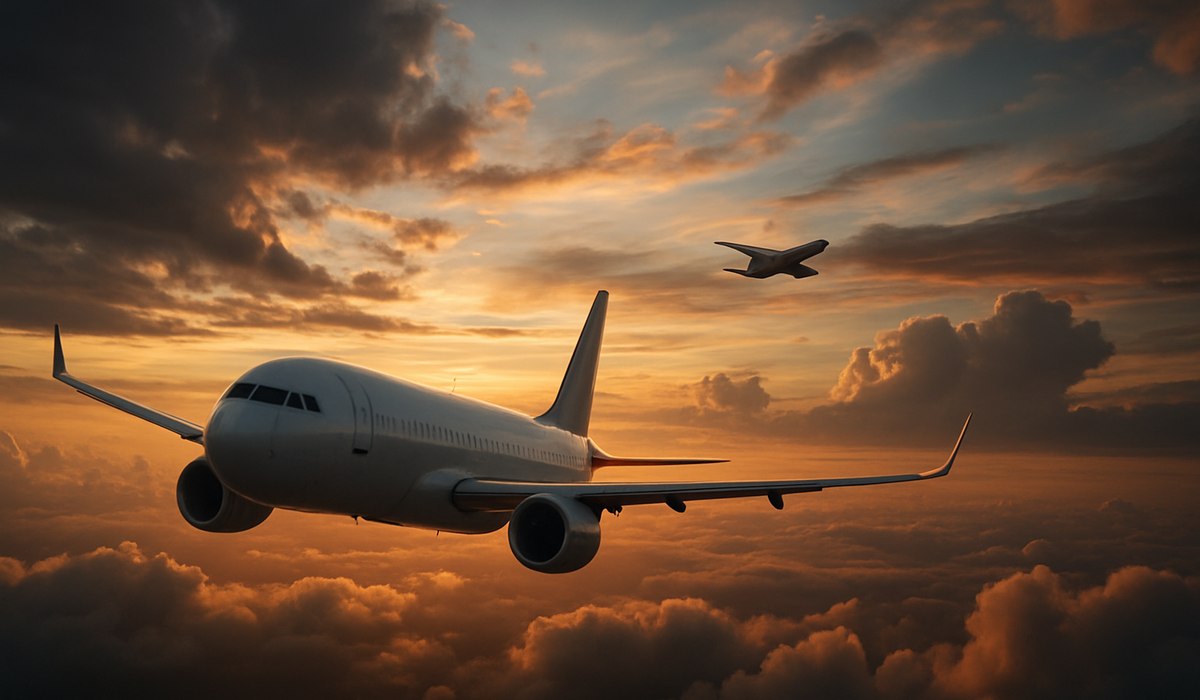
Image generated by AI
Five Passengers and Crew Member Injured by Emirates A380 Wake Turbulence
A Eurowings A320 encountered dangerous wake turbulence from an Emirates A380 during a flight from Greece to Germany on June 2, 2026, resulting in injuries to five people onboard. Four passengers and one flight attendant sustained injuries when they were forcefully thrown against the aircraft ceiling as the smaller aircraft climbed through the wake vortices left by the superjumbo jet. The incident raises questions about separation protocols and the unpredictable nature of emirates a380 wake turbulence, even when aircraft maintain what authorities consider safe distances.
What Happened: The Wake Turbulence Incident
The Eurowings flight was cruising from Greece toward its destination in Germany when it encountered unexpected turbulence during a standard climbing procedure. As the A320 ascended through the altitude corridor, it entered the invisible but powerful wake left behind by the Emirates A380 that had flown the same route minutes earlier. Wake turbulence occurs when larger aircraft, particularly heavyweights like the Airbus A380, push massive columns of air downward and outward, creating rotating vortices that can persist for extended periods.
The Eurowings aircraft was nominally separated according to established aviation standards. However, the encounter proved severe enough to injure multiple occupants. Four passengers experienced sudden impacts against overhead compartments and ceiling fixtures, while a flight attendant was similarly affected. Medical evaluations confirmed that all five individuals sustained non-life-threatening injuries, though the incident prompted immediate crew response and documentation procedures.
Authorities are examining whether standard separation distances—typically three to five minutes for aircraft in sequence—provided adequate protection in these specific atmospheric conditions. The Greece-Germany corridor represents a frequently traveled transatlantic gateway, making this incident particularly significant for busy European airspace.
Safety Protocols and Separation Standards
Aviation authorities worldwide establish strict separation protocols to mitigate wake turbulence risks. The International Civil Aviation Organization (ICAO) mandates specific time and distance requirements between aircraft based on their weight classifications. Heavy aircraft like the Emirates A380 require extended separation from smaller commercial jets such as the A320.
Despite adherence to published separation standards, wake turbulence remains an unpredictable hazard. Meteorological conditions, atmospheric density, wind shear, and aircraft configuration all influence how long vortices persist. An aircraft ascending or descending can encounter vortices that remained undetected by earlier traffic or dissipated more slowly than anticipated.
The Eurowings incident suggests that turbulence injuries can occur even when pilots follow established protocols. This underscores why aviation safety organizations continuously refine separation standards and why pilots maintain heightened vigilance when following heavier aircraft. Many airlines now employ predictive wake turbulence modeling and request amended flight paths when conditions warrant additional caution.
According to the European Union Aviation Safety Agency (EASA), wake turbulence encounters remain relatively rare given the volume of daily flights. However, each incident provides valuable data for improving safety systems and understanding how aircraft interactions affect passenger welfare.
Injuries and Emergency Response
The five occupants required immediate medical attention following the turbulence encounter. Four passengers sustained injuries ranging from minor contusions to more significant trauma from sudden impact with aircraft structures. The flight attendant, whose occupational responsibilities often place them in less secure positions during flight, experienced similar injury patterns.
The Eurowings crew responded according to established emergency protocols. Flight attendants assessed all passengers, documented injuries, and prepared cabin records for post-landing medical coordination. The aircraft diverted or proceeded to its nearest appropriate airport where emergency medical personnel evaluated the injured individuals.
All five patients received treatment for impact-related injuries. While none sustained life-threatening conditions, the incident required formal accident reporting and investigation procedures. European aviation authorities opened inquiries into the encounter, examining flight data, radar records, and atmospheric conditions at the incident location and time.
This incident reflects broader concerns about passenger safety during aircraft safety events. Modern commercial aircraft are engineered with extensive structural protection, but wake turbulence remains a phenomenon that engineering alone cannot eliminate—it requires operational procedures and real-time decision-making by flight crews.
What This Means for Travelers
Wake turbulence incidents, while uncommon relative to the millions of daily flights, underscore important realities about air travel. Understanding these risks helps passengers make informed decisions and take appropriate precautions during flight.
Numbered Takeaways for Air Travelers:
-
Keep your seatbelt fastened throughout flights whenever the seatbelt sign is illuminated, and consider wearing it even during cruise phases. This single precaution prevents most turbulence-related injuries.
-
Request a middle seat over the wing when possible, as this area experiences less motion during turbulent events compared to forward or aft cabin sections.
-
Avoid overhead compartments when possible; stow smaller items under your seat or in cabin bags kept close by to prevent falling objects from injuring you or surrounding passengers.
-
Trust flight crews' experience—pilots and flight attendants encounter thousands of flight hours and recognize conditions that may warrant precautionary measures or route adjustments.
-
Report unusual incidents to flight crew and airlines. Your account helps aviation authorities identify patterns and refine safety procedures.
-
Select airlines with modern fleets—newer aircraft incorporate advanced weather radar and turbulence detection systems that improve pilot awareness.
The Eurowings incident demonstrates that even well-regulated, carefully-managed airline operations can experience unexpected safety events. Traveler awareness and proper safety practices remain essential components of modern air travel.
Key Data: Emirates A380 Wake Turbulence Incident Details
| Factor | Details |
|---|---|
| Date of Incident | June 2, 2026 |
| Aircraft Type Affected | Eurowings Airbus A320 |
| Wake Turbulence Source | Emirates Airbus A380 |
| Route | Greece to Germany |
| Total Injured | 5 people (4 passengers, 1 flight attendant) |
| Injury Severity | Non-life-threatening contusions and impact trauma |
| Separation Protocol Status | Standard separation maintained; turbulence still occurred |
| Aircraft Separation Time | Approximately 3-5 minutes (standard ICAO requirement) |
| Airbus A380 Maximum Passengers | 853 (all-economy configuration) |
| Airbus A320 Typical Capacity | 180-200 passengers |
| Wake Vortex Persistence Duration | 3-5 minutes in standard conditions (variable) |
| Investigation Authority | European Union Aviation Safety Agency (EASA) |
FAQ: Common Questions About Wake Turbulence
Q: How dangerous is wake turbulence for commercial aircraft? Wake turbulence poses manageable but real risks for aircraft operations. Modern commercial jets are engineered to withstand significant turbulence. Fatal accidents directly attributed to wake turbulence are extraordinarily rare, though injuries among unrestrained occupants do occur annually worldwide.
Q: Can pilots detect and avoid wake turbulence? Pilots use weather radar and ground-based alerts to identify severe turbulence areas, but wake vortices remain largely invisible. Advanced aircraft possess predictive systems, but real-time avoidance depends on pilot experience, communication with air traffic control, and timely route modifications when conditions warrant precautions.
Q: Are larger aircraft like the A380 more dangerous? Larger aircraft generate more powerful wake vortices due to their weight and wing dimensions. The Emirates A380, as the world's largest passenger aircraft, produces particularly strong wake turbulence. This is precisely why separation standards are stricter for aircraft following heavyweights in sequence.
Disclaimer
This article is for informational and educational purposes only. It does not constitute legal, financial, or professional advice. While we strive to provide accurate and up-to-date information, travel policies, regulations, and conditions change rapidly. Always verify information with official sources before making travel decisions. Nomad Lawyer makes no representations about the accuracy, reliability, completeness, or suitability of the information provided. Readers should consult qualified professionals for advice specific to their circumstances. The views expressed in this article are those of the author and do not necessarily reflect the views of Nomad Lawyer.
Kunal K Choudhary
Co-Founder & Contributor
A passionate traveller and tech enthusiast. Kunal contributes to the vision and growth of Nomad Lawyer, bringing fresh perspectives and driving the community forward.
Learn more about our team →