
Emirates Dominates 2026 Awards While Retrofitting 219 Aircraft: The Premium Aviation Power Play Dubai Doesn't Want You to Miss
Emirates sweeps 2026 Business Traveller awards with Best Airline Worldwide honors while executing a massive 219-aircraft retrofit strategy that's reshaping premium long-haul travel standards globally.

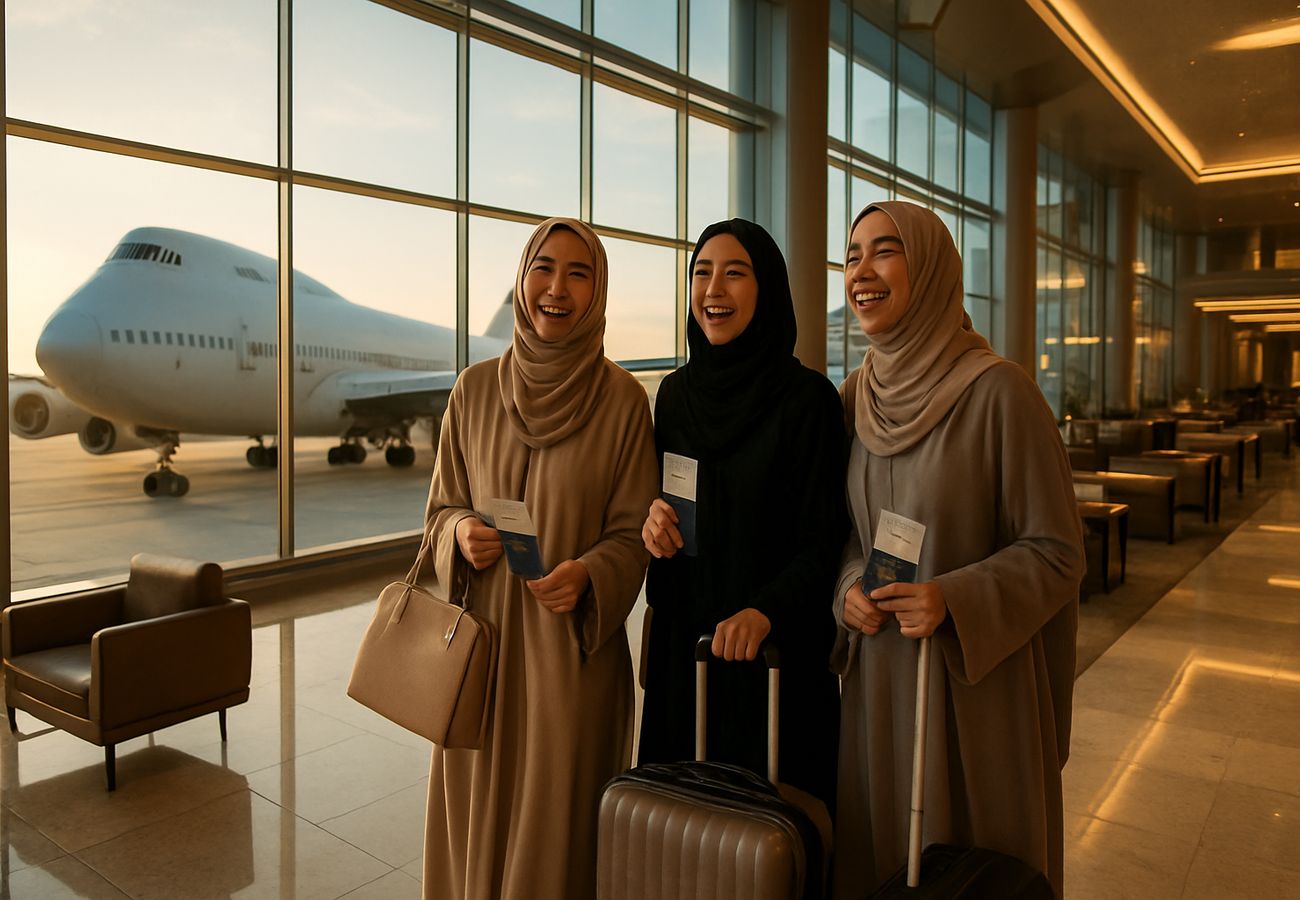
Image generated by AI
The Clean Sweep Heard Around Aviation
Emirates just executed what few global airlines can claim: a simultaneous sweep of major international awards while orchestrating one of aviation's most ambitious fleet transformation programmes. At the 2026 Business Traveller Middle East Awards, the Dubai-based carrier secured three critical wins: Best Airline Worldwide, Best First Class, and Best Airport Lounge in the Middle East.
But here's what matters more than the trophy shelf—these weren't industry insider picks. They came from direct passenger voting. Real travellers, business flyers, and premium segment customers cast the ballots. That distinction transforms the recognition from marketing noise into genuine market signal.
The timing couldn't be sharper. As long-haul premium travel demand accelerates across 2026, airlines are no longer competing on routes and frequency alone. The battle is shifting toward complete experience ecosystems—and Emirates is three laps ahead of the field.
Reddit: "Emirates First Class isn't just a seat upgrade. It's a completely different airline experience." — r/flightattendants
The 219-Aircraft Retrofit: Scale That Changes Everything
This is where the story gets serious. Emirates is currently upgrading 219 aircraft—a combination of Airbus A380 and Boeing 777 widebodies—with completely redesigned cabins, modernized interiors, and next-generation onboard systems.
Most airlines cherry-pick their fleet upgrades. They'll retrofit some aircraft, leave others aging, and call it progress. Emirates took a different path: simultaneous execution across massive scale.
The retrofit programme includes:
- Modernised First and Business Class cabins with enhanced privacy architecture
- Next-generation in-flight entertainment systems with personalized content delivery
- Ergonomically optimized seating with improved recline mechanisms
- Integration of Airbus A350 new-generation jets across 70+ routes for cabin consistency
- Energy-efficient systems reducing operational costs while improving passenger comfort
The dual strategy—retrofitting legacy widebodies while integrating cutting-edge A350 aircraft—creates operational duality that competitors simply cannot match. Other carriers are forced to choose: invest in new aircraft or refresh existing cabins. Emirates is doing both simultaneously at enterprise scale.
Beyond the Cabin: Premium Ecosystem Architecture
Emirates recognized something critical years ago that competitors are still catching up on: the cabin is just one segment of the premium journey. The real competitive advantage lives in the ecosystem.
What does this look like in practice?
The airline operates chauffeur-driven ground transfers in nearly 90 destinations. Your First Class ticket doesn't begin at the airport—it begins when that private car picks you up at home. Your journey doesn't end at landing—it continues with destination-coordinated ground services.
At Dubai International Airport (DXB), the First Class Lounge isn't a lounge. It's a luxury destination designed to be better than the destination itself. We're talking spa services, à la carte fine dining with Michelin-trained chefs, curated beverage menus, private retail shopping, and dedicated boarding pathways that eliminate airport friction entirely.
This ecosystem extends across 30+ First Class lounges globally. The consistency matters enormously. A passenger flying Dubai to London, then London to New York experiences identical service standards across different airports, different time zones, different continents.
This continuity of experience is what separates Emirates from carriers that deliver excellent service in isolation. They've engineered experience across the entire customer journey.
The Connectivity Race That Nobody's Talking About
Here's the angle most aviation coverage misses entirely: Emirates is aggressively positioning itself in the in-flight connectivity race, and they're winning decisively.
The airline has already equipped 36 aircraft with Starlink-enabled connectivity, with full deployment across the widebody fleet on the roadmap. Once complete, Emirates will operate one of the largest Starlink-enabled widebody fleets globally.
This matters because premium passengers in 2026 expect in-flight internet speeds comparable to ground networks. They're not willing to settle for "airline WiFi"—which is usually slow, unreliable, and frustrating. Starlink changes that equation entirely.
Simultaneously, Emirates continues relentless network expansion, now serving nearly 140 destinations. New routes like Dubai–Helsinki launched as year-round direct services, expanding high-frequency long-haul connectivity into previously underserved markets.
The emerging aviation competition has fundamentally shifted. It's no longer measured by:
- Route count alone
- Seat capacity per aircraft
- Ticket pricing strategies
The new metrics that separate leaders from followers:
- In-flight connectivity speed and reliability
- Cabin privacy engineering across aircraft types
- End-to-end travel ecosystem integration
- Service consistency across global network
Emirates' Starlink integration strategy positions the airline at the absolute forefront of real-time digital aviation experience.
Dubai's Hub Consolidation: The Feedback Loop Effect
Dubai continues strengthening its position as one of the world's most influential aviation hubs. Emirates is the engine driving this power concentration, linking Europe, Asia, Africa, and the Americas through high-frequency long-haul connectivity that few global competitors can match.
The synergy creates a powerful feedback loop: increased connectivity drives tourism demand, which fuels further route expansion, which drives airport investment, which supports additional aircraft orders. This virtuous cycle is incredibly difficult for competitors to interrupt because it requires scale that most carriers simply don't possess.
In 2026, this model performs exceptionally well because premium travel is rebounding strongly, and high-income travellers are prioritizing comfort and reliability over pure cost efficiency. Dubai's positioning as a global transfer hub continues attracting business and leisure travellers seeking speed, consistency, and guaranteed luxury experience.
What This Means for the Rest of Aviation
Emirates is not operating in traditional airline competitive categories anymore. The carrier is actively defining the next phase of global aviation leadership through a combination of fleet transformation, digital connectivity investment, and premium ecosystem design.
The gap between aviation leaders and followers is widening rapidly. Airlines attempting incremental improvements—a cabin refresh here, a lounge expansion there—are being outpaced by carriers executing comprehensive transformation strategies.
For travellers, the question has fundamentally shifted. It's no longer "which airline is cheapest?" The relevant question now is: "which airline delivers the most complete, consistent, technologically advanced experience from home pickup to final destination arrival?"
Check Business Traveller Middle East Awards for full 2026 winner details
The message from Dubai is unambiguous: the future of aviation belongs to those who unify technology, comfort, scale, and ecosystem thinking into one seamless journey. Everyone else is still playing the old game.
The premium travel race just got a lot more competitive—and a lot less forgiving.
Related Travel Guides
Disclaimer
This article is for informational and educational purposes only. It does not constitute legal, financial, or professional advice. While we strive to provide accurate and up-to-date information, travel policies, regulations, and conditions change rapidly. Always verify information with official sources before making travel decisions. Nomad Lawyer makes no representations about the accuracy, reliability, completeness, or suitability of the information provided. Readers should consult qualified professionals for advice specific to their circumstances. The views expressed in this article are those of the author and do not necessarily reflect the views of Nomad Lawyer.
Preeti Gunjan
Contributor & Community Manager
A passionate traveller and community builder. Preeti helps grow the Nomad Lawyer community, fostering engagement and bringing the reader experience to life.
Learn more about our team →