
Electric Air Taxis Launch in New York: Joby Aviation Begins Historic Maiden Flights From JFK to Manhattan
Breaking airline news and aviation industry updates for 2026.

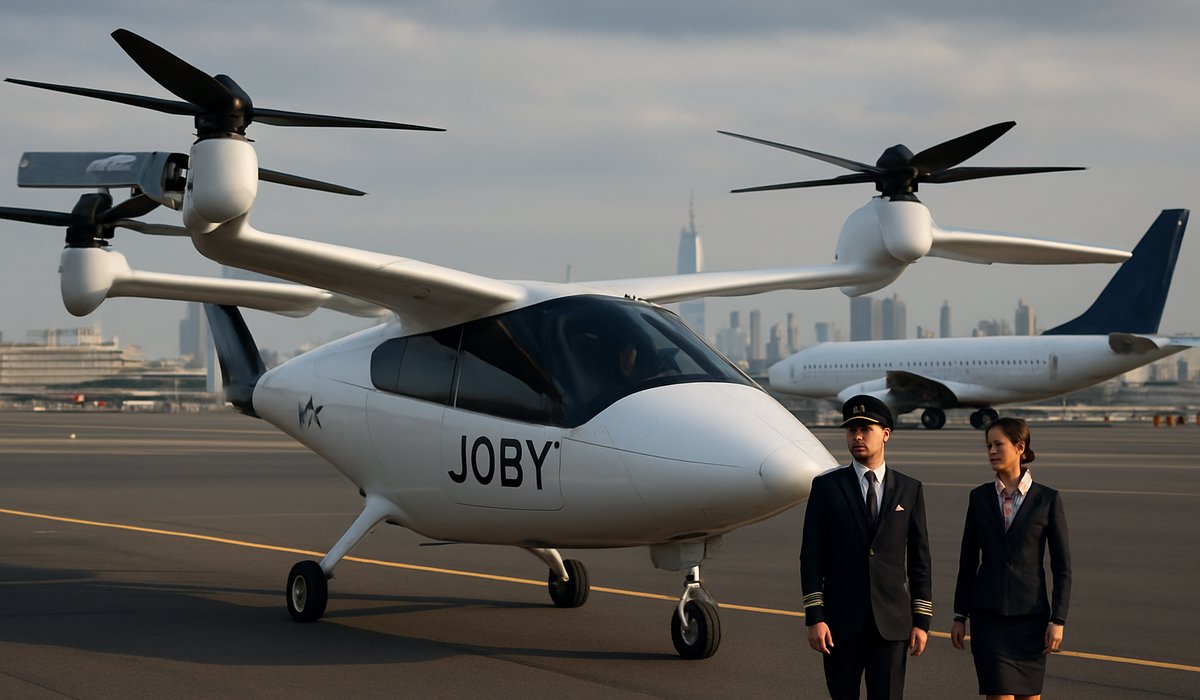
Image generated by AI
Electric Air Taxis Launch in New York: Joby Aviation Begins Historic Maiden Flights From JFK to Manhattan
Historic 10-day operational trial marks breakthrough moment for urban air mobility sector
Revolutionary Service Takes Flight
Joby Aviation, a leading American electric vertical takeoff and landing (eVTOL) manufacturer, has commenced its first commercial-style passenger flights connecting New York's busiest airport hub with Manhattan destinations—a watershed moment for the emerging urban air mobility industry. The landmark 10-day operational campaign represents the most ambitious real-world deployment of electric air taxi technology in a major metropolitan area to date, signaling that the decades-old vision of point-to-point aerial transportation may finally be transitioning from concept to tangible reality.
The service transports passengers from John F. Kennedy International Airport directly to multiple heliport facilities throughout Manhattan, dramatically compressing journey times that typically exceed one hour by conventional ground transportation into a matter of minutes by air.
Bridging the Last-Mile Transportation Gap
The operational trial underscores a critical inflection point in aviation technology adoption. By leveraging silent, zero-emission aircraft, Joby's initiative addresses two persistent challenges facing modern cities: congestion on urban roadways and air quality deterioration. The company's electric-powered aircraft operate substantially quieter than traditional helicopters, potentially opening new corridors for aerial transit without generating the noise complaints that have historically limited helicopter operations in densely populated areas.
This development arrives as the broader aviation industry grapples with decarbonization mandates and sustainability pressures. While traditional carriers absorb rising jet fuel costs and implement baggage fee structures to maintain margins, the eVTOL sector represents a parallel approach to transforming urban travel patterns entirely—circumventing ground-based congestion rather than optimizing it.
Regulatory Milestone and Market Implications
Joby's New York deployment reflects years of Federal Aviation Administration (FAA) coordination and certification protocols specific to commercial eVTOL operations. The company's ability to conduct scheduled, revenue-generating flights demonstrates that regulatory frameworks for electric aviation have matured sufficiently to support operational deployment.
Industry observers note the trial's significance extends beyond Joby's corporate trajectory. Success in New York could accelerate similar initiatives in other major metropolitan areas worldwide, potentially reshaping urban transportation economics and reducing airport access times across the globe.
What This Means for Travelers
For frequent flyers facing extended airport commutes and escalating travel costs, electric air taxi services could represent a premium but time-efficient alternative to ground transportation. As the technology scales and operational costs decline, pricing may eventually approach conventional car service rates, fundamentally altering pre-flight planning calculations.
The ten-day window serves as proof-of-concept validation—demonstrating that electric aviation can operate reliably within existing infrastructure while meeting stringent safety and operational requirements.
FAQ: Electric Air Taxis and Urban Aviation
Q: How much faster is an electric air taxi compared to driving from JFK to Manhattan? A: Joby's eVTOL service compresses journeys that typically require over 60 minutes by car into a flight time of just several minutes, though total travel time includes airport procedures and ground transfers.
Q: Are electric air taxis more environmentally friendly than traditional transportation? A: Yes—eVTOL aircraft produce zero direct emissions during flight and operate significantly quieter than conventional helicopters, reducing both carbon footprint and noise pollution in urban airspace.
Q: What is the regulatory status of commercial eVTOL operations in the United States? A: The FAA has established certification pathways for electric vertical takeoff aircraft. Joby's New York deployment demonstrates that regulatory approval for commercial service is achievable under current frameworks.
Q: When will electric air taxi services become widely available to the general public? A: Expansion depends on successful trial outcomes, scaling production capacity, and establishing economically sustainable pricing models. Major metropolitan areas could see broader deployment within the next 3-5 years.
Q: How does electric air taxi pricing compare to standard airport transportation? A: Pricing structures remain limited during early trials, but industry projections suggest eventual rates competitive with premium car services as operational efficiencies improve.
Related Travel Guides
Flight Delay Compensation Guide 2026
Understanding Airline Route Changes
Airport Security Process Updated (2026)
External Resources
Disclaimer
This article is for informational and educational purposes only. It does not constitute legal, financial, or professional advice. While we strive to provide accurate and up-to-date information, travel policies, regulations, and conditions change rapidly. Always verify information with official sources before making travel decisions. Nomad Lawyer makes no representations about the accuracy, reliability, completeness, or suitability of the information provided. Readers should consult qualified professionals for advice specific to their circumstances. The views expressed in this article are those of the author and do not necessarily reflect the views of Nomad Lawyer.
Raushan Kumar
Founder & Lead Developer
Full-stack developer with 11+ years of experience and a passionate traveller. Raushan built Nomad Lawyer from the ground up with a vision to create the best travel and law experience on the web.
Learn more about our team →