
El Nino and Landscape Loss Threaten Global Nature Tourism Gateways
A strong El Niño threat combined with shrinking native vegetation is disrupting nature tourism in Brazil, Indonesia, and Australia.
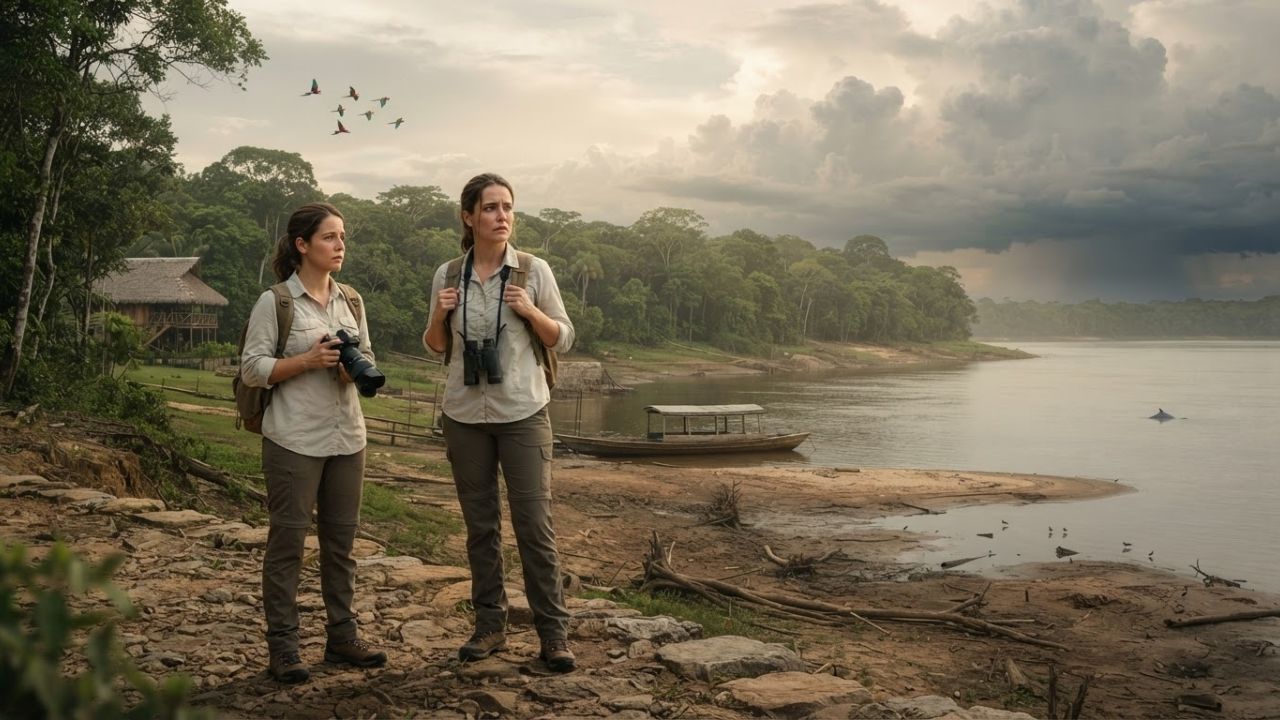
Image generated by AI
With meteorological agencies predicting a 95 per cent probability of El Niño persisting into early 2027, shrinking natural habitats are disrupting travel routes globally.
The Core Transit Update
International river cruise paths, outback roadways, and mountain park trails are adjusting to extreme weather anomalies. A joint assessment by Brazil's INPE, INMET, Funceme, and CENSIPAM tracks native vegetation cover falling from 79 per cent four decades ago to 65 per cent today (with agricultural land expanding to 32 per cent).
To manage these challenges, park administrations in Brazil, Indonesia, Australia, Colombia, South Africa, and Peru are modifying visitor access rules. Northern and northeastern Brazil face reduced river levels, hindering Amazon boat navigation. Drier weather in Indonesia (monitored by BMKG) raises forest fire dangers. Eastern Australia tracks winter-spring rainfall in the Murray-Darling Basin at 28 per cent below average, and Colombia's IDEAM projects an 81 per cent chance of a very strong El Niño intensity before December, creating significant water and wildfire management requirements.
El Niño Risks & Colombia Probability Matrices
Planning a nature-based vacation requires checking regional temperature anomalies and tracking local fire indices. The following tables outline the climate risks across six countries and detail Colombia's El Niño probability tracking.
| Stated Country | Main Environmental Pressure | Stated Current Climate Concern | Stated Tourism / Travel Relevance |
|---|---|---|---|
| Brazil | Native vegetation down to 65% | 95%+ El Niño persistence probability | Amazon river navigation & Pantanal fires |
| Indonesia | Forest and land degradation | Very strong El Niño dry season | Kalimantan & Sumatra rainforest access |
| Australia | Deforestation & fire weather | Murray-Darling rain 28% below average | National park hiking & reef heatwaves |
| Colombia | Ecosystem & water stress | 97%+ El Niño persistence into 2027 | Amazon, Caribbean, & Andean trail hazards |
| South Africa | Land degradation & drought | Increasing safari heat extremes | Kruger National park road closures |
| Peru | Forest loss & climate variation | River levels & drought extremes | Amazon cruise & Andes trekking routes |
Comparative guide of global El Niño risks to nature-based travel.
| Forecast Metric / Period (2026–2027) | Stated El Niño Probability | Stated Expected Severity Level |
|---|---|---|
| May-June-July 2026 | 82% probability | Developing conditions |
| Equatorial Pacific (Mid-2026) | More than 95% probability | Active and strengthening |
| End of Year (Late 2026) | 96% probability | Persistent warming |
| October-December 2026 | 81% probability | Very strong intensity |
| November 2026 – January 2027 | 63% probability | Very strong event |
| First Quarter (Q1) 2027 | Exceeded 97% probability | Persistent dry anomalies |
Colombia meteorological department (IDEAM) probability projections.
Traveler Logistics Guide
From a ground-level perspective, the best way to navigate this is to confirm local river draft depths with your boat operator before departing for remote Amazon or Indonesian river excursions, as dropping water levels can suddenly shorten itineraries and prevent access to deep-forest docks. Checking regional heat warnings is recommended.
To plan your nature excursions:
- Allow Safe Connecting Windows: During peak El Niño heatwaves, allow extra transit margins to manage regional rail and airport runway delays caused by high ambient temperatures.
- Observe Wildfire Alerts: In fire-prone zones like Australia's outback or the Pantanal wetlands, check daily park alerts and pack extra drinking water and emergency gear.
- Avoid Non-Licensed Operators: In remote ecosystems, travel exclusively with licensed local guides who hold active communication links to regional environmental safety centers.
- Observe Water Restrictions: Many drought-affected safari lodges (such as those surrounding Kruger National Park) enforce strict water use limits. Conserve local freshwater resources.
Infrastructure Impact Assessment
The development of localized firebreaks and the consolidation of sustainable wildlife viewing trails protect stressed forest systems from human-induced ignition risks.
By directing traveler spending to official conservation units (which cover 18.5 per cent of Brazil's continental territory), the nature-tourism model funds forest ranger patrols, supports fire-prevention infrastructure, and ensures that vulnerable biomes remain protected from commercial degradation.
Related Travel Guides
PGA Tour Biltmore Championship Returns to Asheville After 80 Years
Shravani Mela 2026 Deoghar Travel Tips and Logistics Guide
10 Best Travel Tips for Booking Amazon River Cruises, Navigating El Nino Weather Anomalies, and Reserving Wildlife Safaris Safely, According to Reddit
Disclaimer
This article is for informational and educational purposes only. It does not constitute legal, financial, or professional advice. While we strive to provide accurate and up-to-date information, travel policies, regulations, and conditions change rapidly. Always verify information with official sources before making travel decisions. Nomad Lawyer makes no representations about the accuracy, reliability, completeness, or suitability of the information provided. Readers should consult qualified professionals for advice specific to their circumstances. The views expressed in this article are those of the author and do not necessarily reflect the views of Nomad Lawyer.