
El Al Rebuilds Global Network as Post-Conflict Demand Rebounds in 2026
El Al Israel Airlines accelerates global route expansion in 2026, announcing record North American frequencies and restoring cut routes across Europe and Asia as ceasefire stability enables recovery from conflict-driven operational constraints.

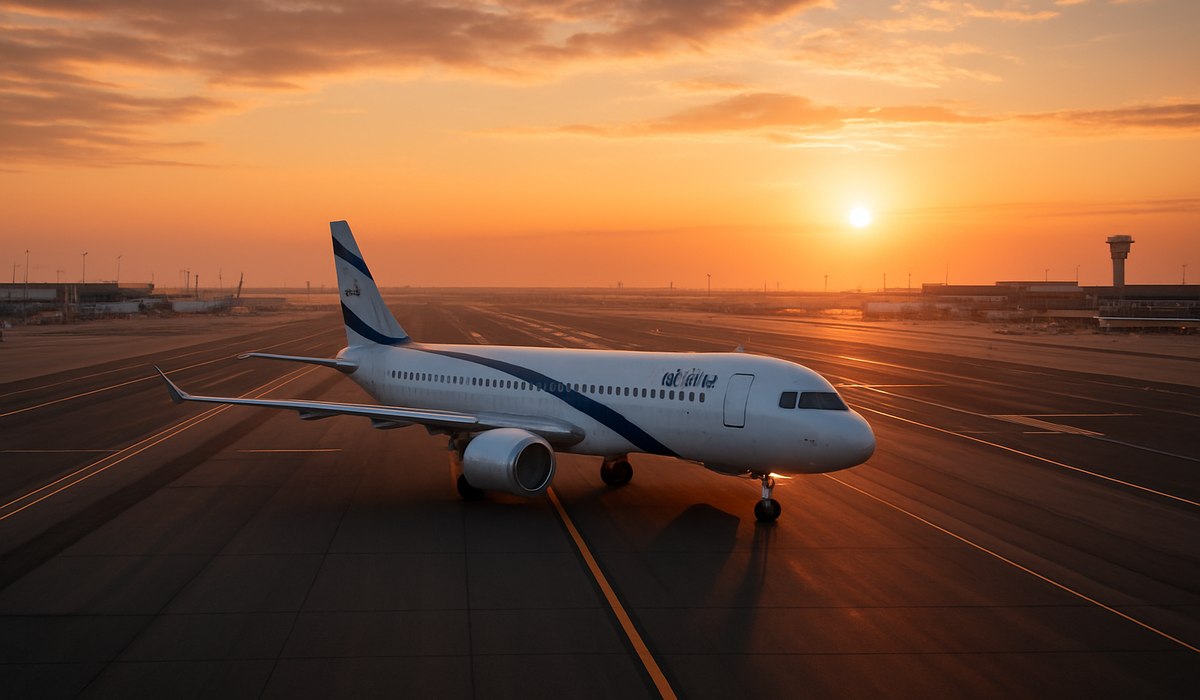
Image generated by AI
El Al Pivots from Crisis Management to Strategic Growth
El Al Israel Airlines is executing an aggressive plan to rebuild and expand its global network throughout 2026, announcing record North American frequencies, restoring suspended European routes, and launching debut Asian services as regional stability enables recovery from three years of conflict-driven operational constraints. The Tel Aviv-based carrier, which served as Israel's emergency lifeline when international competitors curtailed operations, is now shifting from defensive crisis management to measured but confident expansion across multiple continents. This transformation reflects renewed traveler demand, normalized operations at Ben Gurion Airport, and El Al's strategic positioning to recapture market share as the global aviation industry reassesses Middle Eastern connectivity.
From Emergency Lifeline to Growth Carrier
During the peak conflict period beginning October 2023, El Al operated under extraordinary circumstances. Major international carriers including American Airlines, Delta, and United significantly reduced or suspended Tel Aviv service entirely. European airlines similarly pulled back capacity, leaving El Al as the de facto national carrier managing critical VFR (visiting friends and relatives) traffic, essential business travel, and humanitarian operations.
The airline concentrated its aircraft fleet on high-demand trunk routes, particularly the transatlantic corridor to New York, Boston, and Miami. Secondary European services to Dublin, Marseille, and other regional hubs were suspended. Planned Asian launches to New Delhi and Mumbai were postponed indefinitely. This operational compression was necessary but costly—El Al operated at reduced profitability while managing extraordinary operational complexity and security protocols.
As ceasefire arrangements solidified through 2025 and 2026, international carriers gradually normalized their Tel Aviv operations. Rather than retreat, El Al shifted strategy. The airline published aggressive schedules for winter 2025/2026 and summer 2026, demonstrating confidence in sustained demand recovery. This marks the clearest evidence that El Al's leadership views the current stability as durable enough to warrant major capital commitments in aircraft deployment and staffing.
North American Backbone Strengthened: Record Frequencies Launch
North America remains the cornerstone of El Al's network rebuilding strategy and the primary driver of capacity expansion. The United States represents Israel's largest long-haul market, generating consistent demand from multiple traveler segments. El Al is planning approximately 55 weekly flights to North American destinations during summer 2026, representing an all-time frequency high for the airline.
This unprecedented transatlantic deployment reflects several demand drivers. First, VFR traffic from the Israeli diaspora and American visitors remains robust, even during regional volatility. Second, technology sector connections between Tel Aviv and U.S. hubs like New York, Boston, and Silicon Valley generate steady business travel. Third, Miami and Fort Lauderdale serve as cruise ship departure ports and connection hubs for Latin America-bound passengers.
Ben Gurion's departure boards now display multiple daily rotations to New York's JFK and Newark airports. Boston Logan Airport receives enhanced frequencies, capitalizing on Northeastern Ivy League connections and Jewish community networks. Los Angeles and San Francisco routes anchor West Coast service, while Miami frequencies enable Caribbean and Central American connections. Additional seasonal services to Montreal and Toronto further deepen North American penetration.
This North American-centric strategy also hedges regional market uncertainty. While Middle Eastern volatility can dampen European leisure travel, transatlantic demand has demonstrated resilience. El Al's leadership explicitly views sustained North American service as insurance against future regional disruptions.
Asian Expansion Signals Confidence in Regional Stability
Perhaps the most significant evidence of El Al's strategic confidence is its ambitious entry into direct Asian markets. The airline is preparing debut nonstop service from Tel Aviv to Hanoi, Seoul, and Manila—three major cities representing three distinct Asian economic zones. These routes complement existing services to Bangkok, Phuket, and Tokyo, creating a comprehensive Asian network for the first time.
These Asian launches eliminate costly connecting flights through Middle Eastern hubs like Doha and Dubai. Israeli business travelers seeking Mumbai or Tokyo now access direct routing. Asian tourists and business professionals heading to Israel enjoy streamlined itineraries. El Al's network effects also strengthen, as Asian passengers benefit from convenient onward connections to North America and Europe via Tel Aviv.
The airline is deploying its newest Boeing 787 Dreamliner widebody fleet to these long-haul Asian services. The 787's superior fuel efficiency reduces operational costs on 10-14 hour sectors. Its cabin comfort and cabin pressure technology enhance passenger experience on routes competing with Middle Eastern carriers' premium products. This aircraft selection reflects El Al's commitment to operational excellence and competitive positioning in premium long-haul markets.
Asian expansion also diversifies El Al's revenue streams away from transatlantic-dependent operations. Tourism growth in Thailand, Vietnam, and the Philippines creates new feeder traffic opportunities. Business connections between Israeli tech firms and Asian markets continue expanding. The timing signals that El Al's forecasting teams project multi-year stability sufficient to justify 10+ year aircraft commitments.
European Network Reconnection and Regional Tourism Recovery
El Al's European reconstruction strategy differs from its North American and Asian approaches. Rather than purely long-haul trunk lines, European services rebuild Ben Gurion's role as a regional connectivity hub. The airline is restoring links to Switzerland, Croatia, and Denmark while launching new services to secondary Mediterranean cities including Basel, Catania, and Cagliari.
Many of these European routes operate under El Al's regional subsidiary brand Sun d'Or, which serves leisure and regional business markets more efficiently than the mainline carrier. This structure enables frequency flexibility and cost optimization while maintaining El Al brand presence in key markets.
The European reconnection strategy recognizes that secondary European cities—particularly Mediterranean and Central European destinations—generate outbound tourism to Israel and transit traffic to Asia and Africa. German business travel to Tel Aviv's financial sector remains important. UK leisure travelers continue seeking Mediterranean connections. Russian-speaking communities in Berlin and Vienna maintain family ties generating VFR traffic.
Recent media coverage highlights El Al's confidence in European demand by publishing year-round rather than seasonal schedules for many secondary European routes. This represents a significant shift from pre-conflict patterns, where Central European and Mediterranean routes operated seasonally. Normalized routing patterns suggest El Al's management believes political and security conditions have stabilized sufficiently for annual planning commitments.
Capacity and Infrastructure Challenges Ahead
El Al's ambitious rebuilding plan faces real operational constraints. Ben Gurion Airport's runway capacity, ground infrastructure, and gate facilities were stretched before the conflict and face continued pressure as carriers restore service. The Israeli government has long discussed expanding Ben Gurion's capacity, but major construction projects have remained in planning stages.
Aircraft availability also constrains expansion. El Al's fleet was partially retired during low-demand conflict years. New aircraft on order—primarily Boeing 787 Dreamliners and Airbus A350s—arrive gradually through 2027 and beyond. This means El Al cannot simultaneously deploy 55 North American frequencies while launching six new Asian routes without reducing service elsewhere.
Staffing presents another constraint. Pilots, flight attendants, and ground personnel who departed during the conflict years must be recruited and trained. Training pipeline timelines limit crew availability. Competitive labor markets across major aviation hubs mean El Al must offer competitive compensation packages.
Fuel costs and cargo pricing dynamics also affect El Al's expansion economics. Oil price volatility influences long-haul route profitability. Competing cargo carriers may limit freight revenue on routes where El Al historically generated significant cargo yield.
Despite these constraints, El Al's published schedules and management commentary suggest the airline believes current demand justifies managed expansion. The airline is not attempting rapid restoration of all pre-conflict capacity simultaneously but rather phased rebuilding emphasizing highest-yield routes first.
Key Data: El Al's 2026 Rebuilding Metrics
| Metric | Value | Context |
|---|---|---|
| North American Weekly Frequencies (Summer 2026) | 55 | All-time record for El Al |
| Primary North American Hubs | JFK, Newark, Boston, Miami, LAX | Daily or multiple daily service |
| New Asian Route Launches | Han |
Disclaimer
This article is for informational and educational purposes only. It does not constitute legal, financial, or professional advice. While we strive to provide accurate and up-to-date information, travel policies, regulations, and conditions change rapidly. Always verify information with official sources before making travel decisions. Nomad Lawyer makes no representations about the accuracy, reliability, completeness, or suitability of the information provided. Readers should consult qualified professionals for advice specific to their circumstances. The views expressed in this article are those of the author and do not necessarily reflect the views of Nomad Lawyer.
Raushan Kumar
Founder & Lead Developer
Full-stack developer with 11+ years of experience and a passionate traveller. Raushan built Nomad Lawyer from the ground up with a vision to create the best travel and law experience on the web.
Learn more about our team →