
Egypt Ignites New Hope With Bold Nabq Ecotourism Plan To Protect South Sinai
Egypt launches an integrated ecotourism framework for the 600-square-kilometer Nabq Protected Area near Sharm El-Sheikh.

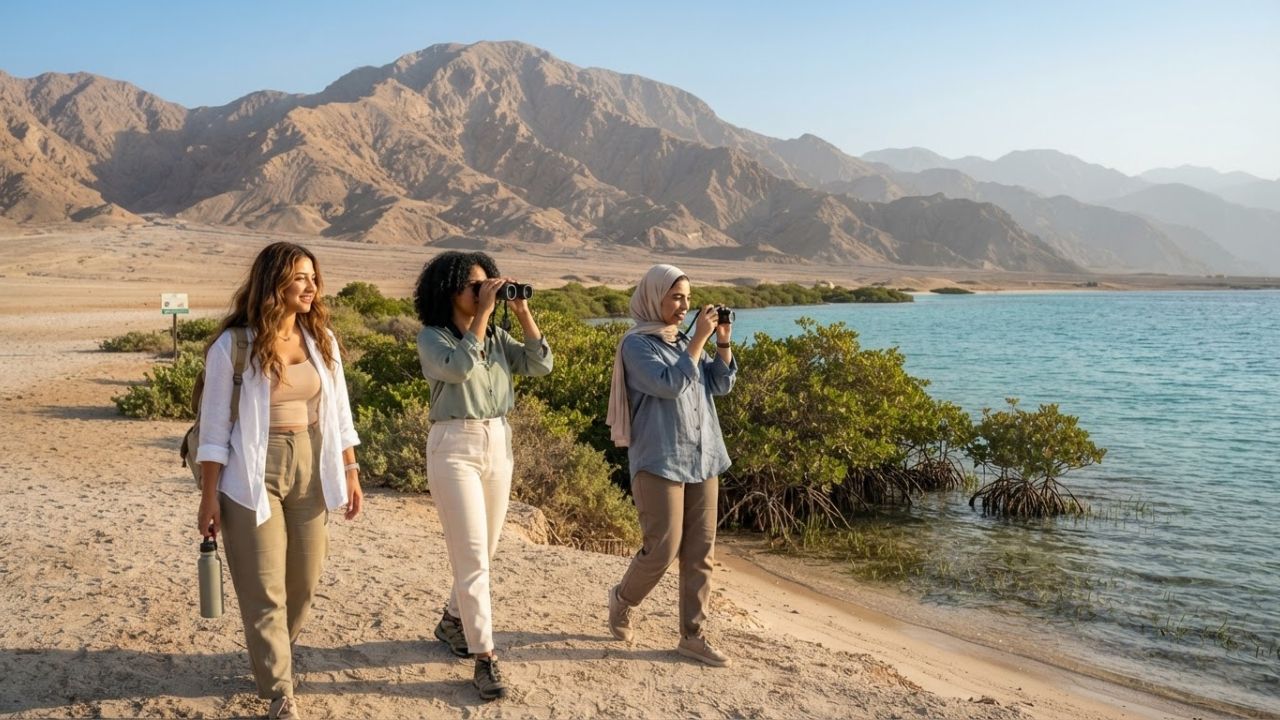
Image generated by AI
Egypt is launching a comprehensive ecotourism initiative in the Nabq Protected Area, a 600-square-kilometer coastal reserve located 35 kilometers north of Sharm El-Sheikh. The management plan seeks to balance rising visitor numbers with the preservation of vital mangrove and coral reef ecosystems on the Gulf of Aqaba.
Tourism growth in North Africa has recorded high-growth parameters. According to government statistics, Egypt welcomed nearly 19 million international visitors in 2025, representing a 21% increase compared to 2024. This growth trend continued with a 7% rise in arrivals during the first four months of 2026, outpacing the 4% global travel growth average recorded in 2025.
To protect its ecosystems from tourism pressures, the Egyptian Ministry of Environment is establishing conservation frameworks that integrate low-impact travel services with private sector investment.
Developing an Integrated Ecotourism Model in Nabq
The proposed management plan for the Nabq Protected Area coordinates conservation efforts, public services, and local community benefits. Rather than standard commercial developments, the model focuses on low-impact beach experiences, nature trails, and environmental education.
Supported by the Egypt Tourism Authority, the plan coordinates visitor flows to minimize waste and reduce the carbon footprint of tourism activities. The project includes environmental impact assessments (EIAs) to regulate potential eco-lodge designs along the desert coastline, ensuring all infrastructure complies with regional conservation rules.
Preserving Mangroves, Coral Reefs, and Desert Ecosystems
Covering approximately 600 square kilometers, Nabq is the largest coastal protected area on the Gulf of Aqaba. The reserve features connected habitats:
- Mangrove Forests: Located at the northern limit of their range, these forests act as vital nurseries for marine life and stabilize the shoreline.
- Coral Reefs and Seagrass Beds: These marine habitats protect the coast from erosion and support biodiversity, attracting divers and snorkelers.
- Desert Plains and Mountain Ranges: These areas host regional wildlife and support low-impact hiking and conservation excursions.
Unregulated visitor numbers can damage these interconnected environments. As a result, the management plan coordinates marked trails, controlled access points, and visitor capacity regulations.
Balancing Tourism GDP and Coastal Marine Conservation
Protecting coastal marine ecosystems is an economic priority for Egypt. Prior to the pandemic, coastal travel generated approximately US$7 billion annually, representing half of the nation's total tourism revenues. Much of this revenue was tied to coral reef diving and beach holidays, highlighting the economic importance of reef preservation.
Under the new plan, local communities will participate directly in the tourism economy. Bedouin residents will offer guided tours, manage low-impact transport links, and supply local foods and crafts. This community integration ensures that tourism revenue directly benefits the families living within the reserve boundaries.
Local Visitor Guide and Protected Area Guidelines
To help you explore the Nabq Protected Area responsibly:
- Hire Authorized Bedouin Guides: Explore the desert and mountain tracks only with local guides. This supports the community economy and ensures your safety along unmarked desert tracks.
- Observe Mangrove Safety Rules: Do not walk directly through the sensitive tidal mudflats or touch the aerial roots of the mangrove trees. Walk only on designated wooden boardwalks.
- Pack Out Your Waste: There are no trash disposal facilities inside the reserve. Bring reusable water bottles and carry all solid waste back to Sharm El-Sheikh.
- Local Dining Specialties:
- Bedouin Bread (Farasheeh): Sample fresh flatbread baked over open wood fires inside desert camps.
- Grilled Sea Bream: Enjoy fresh, locally caught fish prepared with regional spices at small coastal eateries.
- Off-Peak Visit Windows: Visit Nabq in the early morning hours (between 07:00 and 09:30) from October to April to enjoy cooler temperatures and avoid the afternoon tour groups from Sharm El-Sheikh.
Future Projections for Green Sharm Initiatives and Eco-Lodge Permitting
The Nabq Ecotourism Plan represents a pilot model that the Ministry of Environment aims to replicate across other protected areas in Egypt. The successful implementation of the program depends on resolving technical, environmental, and financial approvals for the proposed eco-lodges.
By combining private investment with strict environmental standards in coordination with the United Nations Environment Programme (UNEP), the initiative demonstrates that conservation and tourism can support sustainable livelihoods, protecting South Sinai’s natural resources for future generations.
Related Travel Guides
Disclaimer
This article is for informational and educational purposes only. It does not constitute legal, financial, or professional advice. While we strive to provide accurate and up-to-date information, travel policies, regulations, and conditions change rapidly. Always verify information with official sources before making travel decisions. Nomad Lawyer makes no representations about the accuracy, reliability, completeness, or suitability of the information provided. Readers should consult qualified professionals for advice specific to their circumstances. The views expressed in this article are those of the author and do not necessarily reflect the views of Nomad Lawyer.
Kunal K Choudhary
Co-Founder & Contributor
A passionate traveller and tech enthusiast. Kunal contributes to the vision and growth of Nomad Lawyer, bringing fresh perspectives and driving the community forward.
Learn more about our team →