
Egypt Joins Morocco and Others as African Aviation Hubs Expand Global Links Supporting Tourism Growth in 2026
Egypt Joins Morocco and Others as African Aviation Hubs Expand Global Links Supporting Tourism Growth in 2026

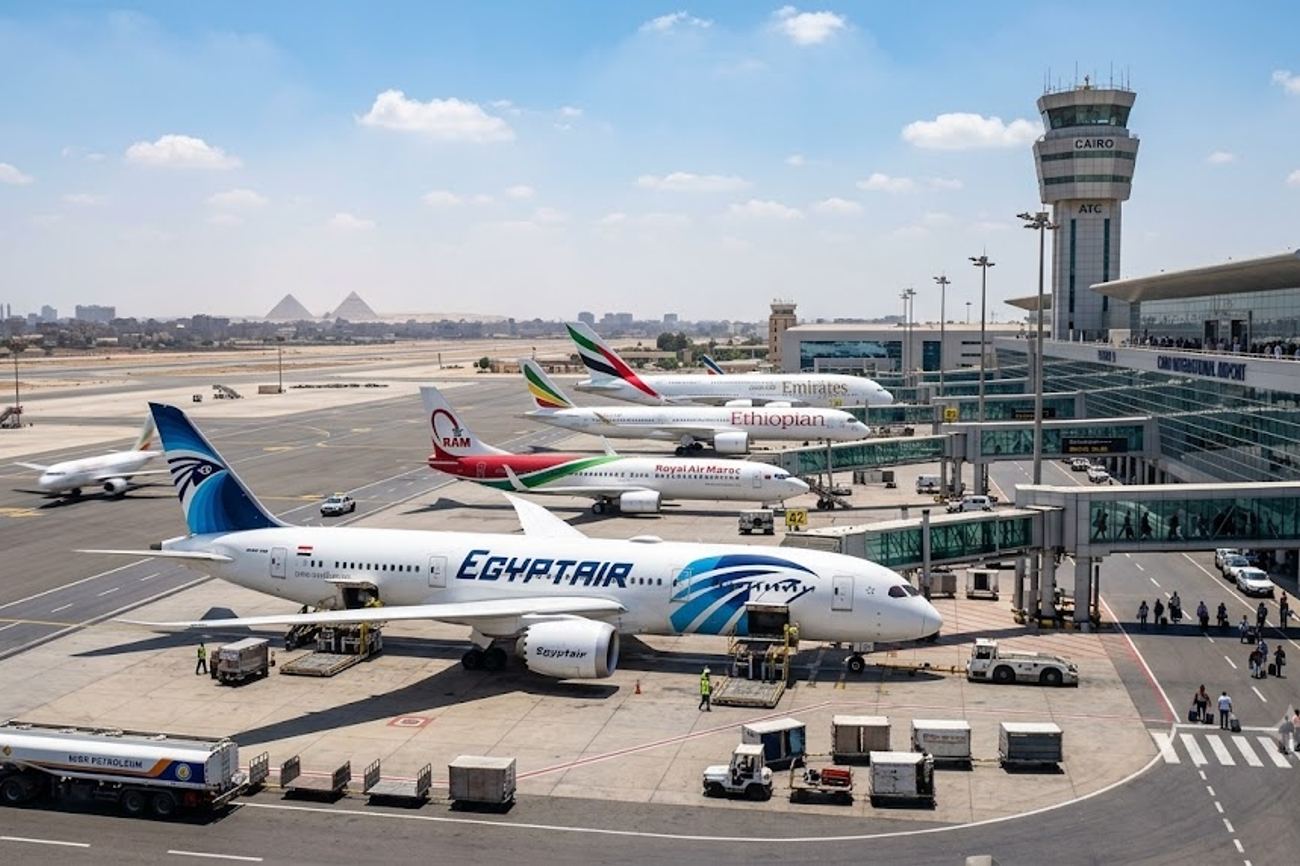
Image generated by AI
[Cairo, September 2026] — Egypt has secured its position as the largest aviation market in Africa by scheduled seat capacity, with Cairo International Airport leading the continent in passenger volume for September 2026. According to OAG aviation capacity data, Egypt is currently offering more than 3 million departing seats this month, cementing its role as the primary gateway for international travelers entering North Africa.
This surge in capacity is part of a broader structural shift across the continent. Major aviation hubs in Morocco, Ethiopia, and South Africa are simultaneously expanding their international networks and airline partnerships to integrate Africa more deeply into global travel grids. These developments are designed to facilitate seamless transit for business and leisure travelers moving between Africa, Europe, Asia, and the Middle East.
The Drivers of African Hub Expansion
The current expansion is triggered by a strategic pivot toward "gateway" infrastructure. Rather than relying on fragmented regional flights, nations are investing in massive centralized hubs that can handle high-volume international transfers. This strategy reduces travel time and cost for global tourists and corporate travelers.
In Egypt, the growth is fueled by the demand for access to Red Sea resorts and ancient heritage sites. In Morocco, the focus is on the Europe-Africa corridor. Ethiopia is leveraging its geographical position to act as the primary bridge to Asia, while South Africa is reinforcing its dominance over the Southern African Development Community (SADC) region.
Primary Hubs and Market Impact
The following gateways are currently dominating the continental aviation landscape:
| Country | Primary Hub | Strategic Role | Key Market Focus |
|---|---|---|---|
| Egypt | Cairo International Airport | North African Gateway | Europe, Middle East, Africa |
| Morocco | Mohammed V International Airport | Intercontinental Bridge | Europe-Africa Connectivity |
| Ethiopia | Addis Ababa Bole International Airport | East African Transfer Point | Asia, Europe, Middle East |
| South Africa | OR Tambo International Airport | Southern African Gateway | Regional & Global Integration |
Egypt: The Capacity Leader
Egypt's aviation sector is currently the most aggressive in terms of seat volume. By positioning Cairo as a central node, the government is supporting a massive influx of leisure and cultural tourism. The expansion is supported by EgyptAir, which continues to scale its international fleet to meet the OAG-verified demand of 3 million+ departing seats in September 2026.
Morocco: The European Link
Casablanca is evolving into a critical transit point. Mohammed V International Airport is seeing significant year-over-year capacity growth, primarily driven by Royal Air Maroc. This growth is not just about international arrivals but about "feeding" passengers into domestic destinations such as Marrakech, Agadir, and Fez.
Ethiopia: The Global Connector
Addis Ababa Bole International Airport remains the operational heart of Ethiopian Airlines. The hub is specifically designed for transfer traffic, allowing passengers from Asia and the Middle East to reach deep into the African interior without returning to Europe.
South Africa: The Southern Anchor
OR Tambo International Airport continues to lead the south. Based on data from the Airports Company South Africa (ACS), the facility handled over 18 million passengers during the 2024–25 financial period, maintaining its status as the economic engine of Gauteng province and the primary entry point for Southern African tourism.
Practical Traveler Advisory and Strategic Insights
For the average passenger, these infrastructure upgrades translate into three immediate practical changes:
1. Reduced Layover Friction The transition toward "super-hubs" means fewer flight changes. Travelers heading to East Africa can now likely bypass European hubs entirely by routing through Addis Ababa, while those visiting West Africa can utilize Casablanca.
2. Increased Competition and Pricing With Egypt and Morocco expanding seat capacity, more airlines are competing for the same routes. This typically leads to more competitive pricing on long-haul tickets from Europe and Asia into Africa.
3. Easier Multi-City Itineraries The strengthening of "feeder" networks—where a major hub connects to smaller regional airports—makes it easier for tourists to visit multiple countries or cities (e.g., landing in Cairo and transferring to Red Sea coastal regions) on a single booking.
Future Trajectory and Infrastructure
The trajectory for 2026 and beyond suggests a move toward further digitalization of airport services to handle the increased passenger loads. As Cairo and Addis Ababa push their capacity limits, the next phase involves upgrading ground transport and customs processing to prevent bottlenecks.
Aviation authorities are now focusing on "seamless transit," aiming to reduce the time passengers spend in the transfer zone. This includes expanding lounge capacities and implementing faster biometric boarding processes to support the millions of seats being added to schedules.
FAQ: African Aviation Hubs 2026
Which African airport has the most departing seats in 2026? Cairo International Airport currently holds the highest capacity, with Egypt recording over 3 million departing seats in September 2026 according to OAG data.
How has Morocco improved its connectivity to Europe? Through Mohammed V International Airport in Casablanca and the operations of Royal Air Maroc, Morocco has increased its national seat capacity, creating a more efficient bridge between European markets and African destinations.
What is the primary role of Addis Ababa Bole International Airport? It serves as the main East African transfer hub, primarily driven by Ethiopian Airlines, connecting passengers between Africa and major markets in Asia, Europe, and the Middle East.
How many passengers did OR Tambo International Airport handle recently? The airport processed more than 18 million passengers during the 2024–25 financial year, remaining the primary gateway for Southern Africa.
Africa's skies are opening, and the era of the continental super-hub has arrived.
Related Travel Guides
Disclaimer
This article is for informational and educational purposes only. It does not constitute legal, financial, or professional advice. While we strive to provide accurate and up-to-date information, travel policies, regulations, and conditions change rapidly. Always verify information with official sources before making travel decisions. Nomad Lawyer makes no representations about the accuracy, reliability, completeness, or suitability of the information provided. Readers should consult qualified professionals for advice specific to their circumstances. The views expressed in this article are those of the author and do not necessarily reflect the views of Nomad Lawyer.
Raushan Kumar
Founder & Lead Developer
Full-stack developer with 11+ years of experience and a passionate traveller. Raushan built Nomad Lawyer from the ground up with a vision to create the best travel and law experience on the web.
Learn more about our team →